First Australian death of little penguin with H5 bird flu confirmed on Phillip Island
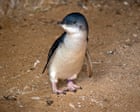
The Penguin Parade Just Got a Deadly Encore The first confirmed H5 bird flu death of a little penguin on Phillip Island is more than a tragic footnote—it’s a warning flare. This species is the star of a beloved “penguin parade” that draws thousands of tourists daily. When the virus hits the marquee wildlife act, the ripple goes beyond conservation: it threatens local economies, public confidence, and the delicate balance of a global hotspot for avian influenza.
Why This Matters The timing is stark. Officials announced a vaccination push for these birds days before the carcass was confirmed. This death validates the urgency and exposes the virus’s speed. H5 has already circled the globe, decimating poultry and wild birds. Now it’s breached the last adorable, charismatic barrier. The race is no longer theoretical—it’s a literal countdown to protect thousands of birds that cannot outrun a virus.
What It Signals This is a test case for proactive wildlife immunization. If Australia’s vaccine rollout succeeds, it becomes a blueprint for other nations guarding iconic species. But if the death toll climbs before syringes are deployed, we’ll see firsthand that bureaucratic lag time is measured in penguin lives.
The Closer The little penguin is a bellwether—small, flightless, and now standing at the front line. The question isn’t whether we can save the parade; it’s whether we’ll march fast enough to keep up with the virus.
{"key_insight":"The confirmation of H5 in a flagship tourist species transforms a theoretical wildlife threat into a present economic and public health issue, forcing immediate vaccination response.