Seagate's new hybrid drive raises some old questions
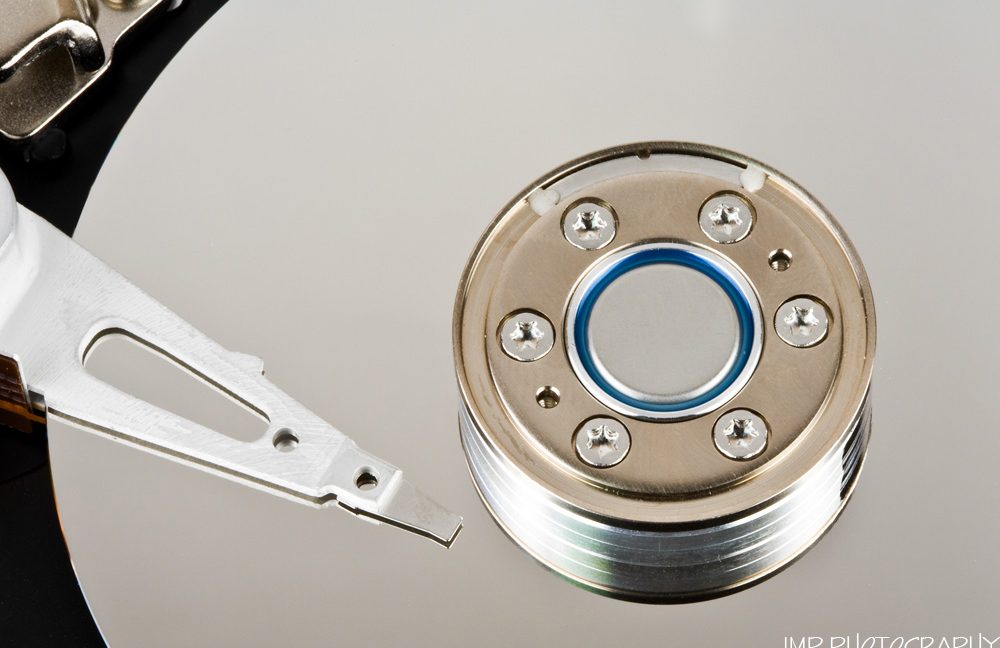
The FireCuda Forge sounds like a name for a gaming peripheral, which is probably the point. Hybrid drives, which bolt a flash cache onto a spinning platter, were supposed to be the bridge between HDD cost and SSD speed a decade ago. They mostly faded because NAND prices collapsed and made pure SSDs the obvious answer for anything that needed speed.
So what's changed? Not much, unless Seagate has figured out how to make the flash layer big enough and smart enough to matter for the workloads people actually run. The old hybrids had a habit of helping your first boot and then settling into mediocrity once the cache was spent.
I'd want to know the cache size, the price, and how it handles sustained writes, because that's where these things always fell apart. If it's priced like a mid-range SSD, I don't see the argument. If it's priced like a big HDD with a bonus, it could find a home in NAS boxes or gaming rigs that need terabytes without spending a fortune.
Honestly, I'm curious whether this is a real push or a way to keep the platter business alive. Either way, the old questions are exactly the right ones to ask.