Gary Oldman’s Sorry You Thought He Knew the Next James Bond
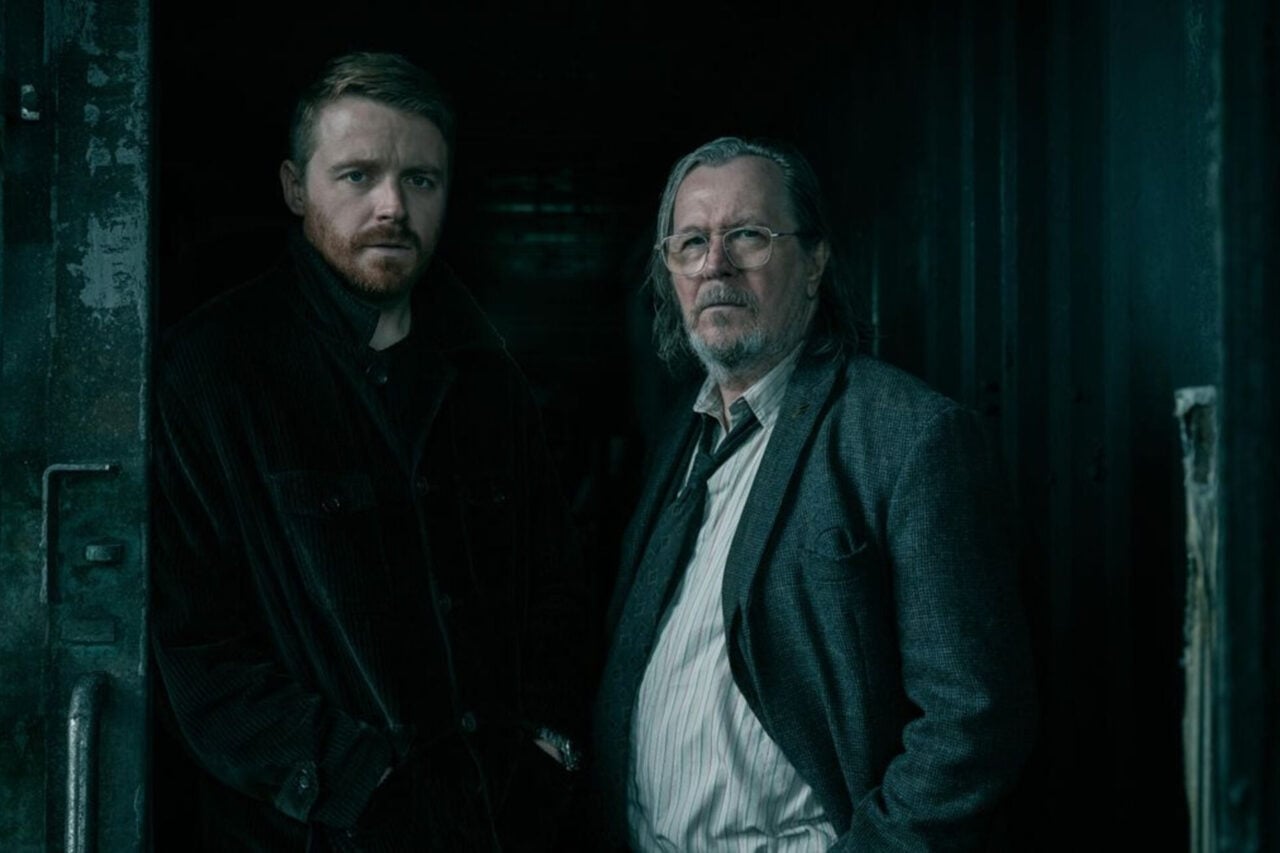
The Bond franchise is less a film series and more a continuous, evolving mythos—a cultural singularity where rumor and reality collapse into each other. When Gary Oldman, a titan of cinema, admits he doesn't know who will next inherit the Walther PPK, it feels less like a mundane celebrity non-answer and more like a crack in the fourth wall of the espionage fantasy we collectively maintain. We want to believe that someone, somewhere, knows the secret; otherwise, the mystery is just a void.
Oldman’s confession taps into a deeper speculative anxiety: the idea that the future is always already written, but the script is kept under lock and key. In our world of data leaks and orbital surveillance, the notion that a human secret can remain a secret is almost quaint. Yet Bond himself is a figure of analog charm in a digital age—a man whose identity is defined by his license to kill, not his biometric signature. The casting of 007 is the last great pre-digital mystery, a piece of information passed by word of mouth, not by server breach.
This story also highlights the strange sociology of "insider knowledge." We assume proximity to power yields clarity, but Oldman’s position reveals that the Bond machine operates like a quantum state: unobserved, it exists in all possibilities; once observed, it collapses into a single, disappointing fact. Until then, every actor from Idris Elba to Regé-Jean Page exists in a beautiful superposition of potential Bonds. Oldman, by admitting his ignorance, actually preserves the fantasy better than any cryptic tease could.
At Starfall Weekly, we find comfort in this. The Bond casting process is a rare piece of narrative engineering that refuses to be crowdsourced or predicted. It reminds us that some stories still demand a human oracle, not an algorithm. And if Gary Oldman doesn't know, then perhaps the answer is not a person at all, but a ghost in the machine—waiting for its moment to be licensed.