China’s Solar Buildout Hampers Bird Diversity
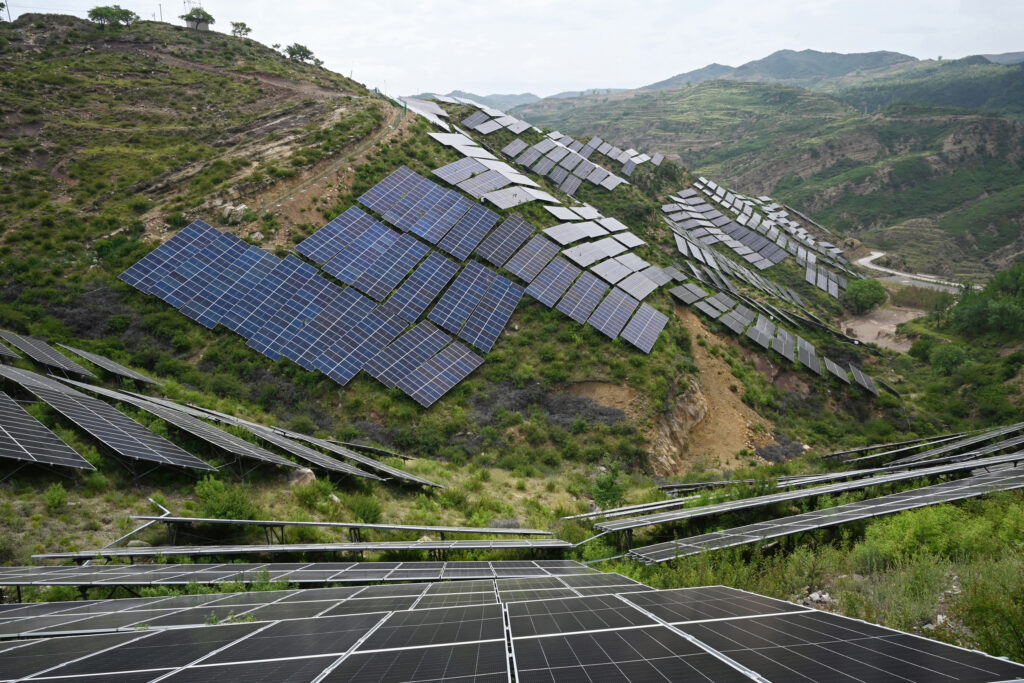
Renewable energy is not a monolith of virtue. As China's solar boom demonstrates, even the cleanest technologies leave footprints — and in this case, those footprints are falling squarely on avian habitats. The study published in Science, covered by Inside Climate News, adds to a growing body of evidence that the energy transition, when rushed without ecological foresight, can replicate the very harms it seeks to undo.
The mechanisms are not mysterious. Utility-scale solar farms carve up landscapes, fragmenting habitats and displacing species that depend on intact ecosystems. In a country as ecologically varied as China — from the grasslands of Inner Mongolia to the wetlands of its eastern provinces — a one-size-fits-all approach to solar siting is a recipe for biodiversity loss. The sheer scale of China's buildout, the largest on Earth, magnifies every misstep.
This is the central tension of the climate decade: we must build renewable energy at breathtaking speed, but we cannot afford to build it carelessly. The study's authors are not calling for a halt to solar development — far from it. They are calling for smarter policy: rigorous environmental impact assessments, siting that avoids critical habitats, and designs that preserve ecological connectivity. These are not burdens on the transition; they are investments in its long-term legitimacy.
For Climate Watch, this story is a reminder that climate action and biodiversity protection are two halves of the same whole. A solar panel that silences a landscape of birds is not a clean victory — it is a partial failure. As China and the world scale up photovoltaics, the challenge is to build not just fast, but wisely.