On this day in space! Nov. 21, 1676: Danish astronomer discovers speed of light — by accident — while observing Jupiter's moon Io
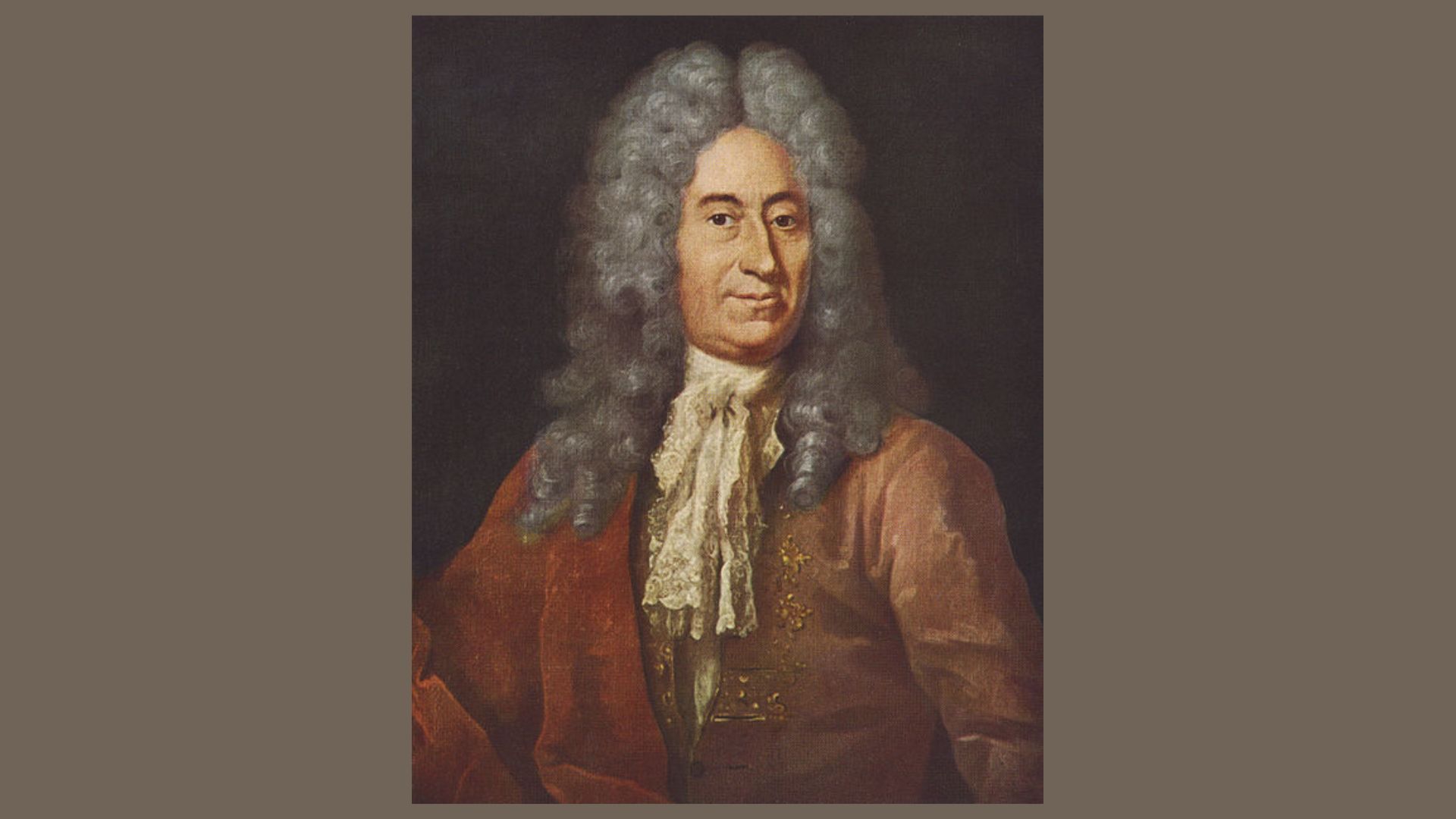
The funny thing about Rømer's discovery is that he wasn't hunting for the speed of light. He was timing the eclipses of Io, and the lag he kept seeing, which grew and shrank as Earth moved in its orbit, was a nuisance. It only made sense if light took time to travel, and the gap between Earth and Jupiter was big enough to measure it.
What I love is how this connects to the way we still do astronomy. Every time we watch a distant star flare or a black hole ripple, we're reading the past in the time it takes light to reach us. Rømer's accidental insight is the reason we can talk about looking back in time at all, and it's the same math that gets rewritten when someone proposes a warp drive or a generation ship. The universe has a speed limit, and one stubborn Danish observer found it by staring at a moon.
If I have any quibble, it's that we tend to tell this story as a neat eureka moment. The reality was messier, a slow grind of imperfect measurements and arguments with contemporaries who didn't buy it at first. I'd want to know more about those early debates, the human friction behind the number. That's where the real story lives, and it's the part that makes the discovery feel human, something we could actually do.