Astronomy’s Decades-Long Quest To Understand Cosmic Topology
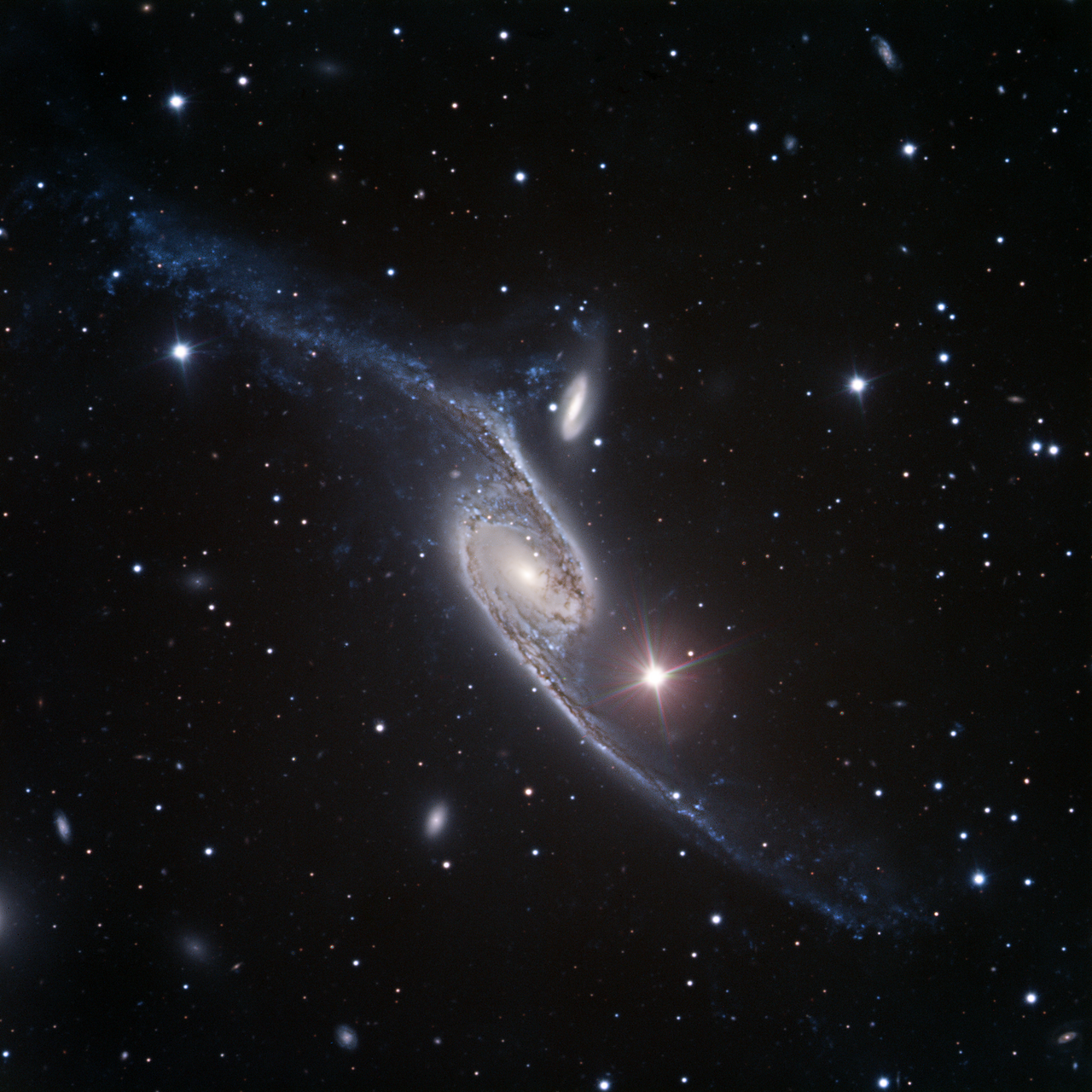
The universe might be a donut, and astronomers are getting serious about it. For decades we've mapped galaxies, weighed black holes, and traced cosmic radiation to understand what's inside everything. Now a smaller, stranger group is asking about the container itself. Cosmic topology flips the question of "what is everything?" into "where does everything end, if it ends at all?"
I find this one of the most genuinely unsettling ideas in cosmology because it touches something almost primal. We've gotten comfortable with inflation, with dark matter and dark energy, but the possibility that our observable universe is a finite shape. A bubble, a torus, a twisted loop. That fundamentally changes how you think about the night sky. If the universe wraps around, distant light could be arriving from directions that are, geometrically, the same place. We might be seeing echoes of our own galaxy, distorted across billions of light-years.
For me, the most interesting part is what the answer would do to the rest of physics. A flat infinite universe feels natural. A donut universe implies we occupy one section of something finite and structured, with edges that loop back to themselves. I'd want to know what the observable signatures actually look like, how we distinguish a real topological twist from a quirk in the data. The answer might impossibly be that we're living inside a shape that connects back to itself, and the proof could be hiding in the microwaves left over from the Big Bang.