The creeks are dry, rain is contaminated and food scarce. What lies ahead for the people of PNG’s Ahus Island?
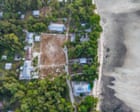
Twenty-five years of visiting Ahus Island means Josh Cinner's team knows what normal looks like there. That makes the current scene especially hard to read: dry creeks, contaminated rain, scarce food. This is not a community that ignored the climate crisis. They spent years preparing, and it still wasn't enough.
The phrase "nowhere else to go" is doing a lot of work. On an atoll, there is no higher ground, no nearby watershed, no spare island to move to. The researchers have watched this place for a quarter century, so they can see the slow changes and the sudden collapse. I'd want to know more about what the community is doing day to day, and whether the national government or neighboring islands have offered any real options.
What bothers me is the wider pattern. Ahus becomes a test case for every low-lying community that has done everything asked of it: planning, preparation, resilience. If those efforts run into a wall, the conversation has to move beyond adaptation to questions of relocation and responsibility. That is a hard conversation, and stories like this should push it forward.