Why NVIDIA's most powerful GPU is so rarely sold to consumers
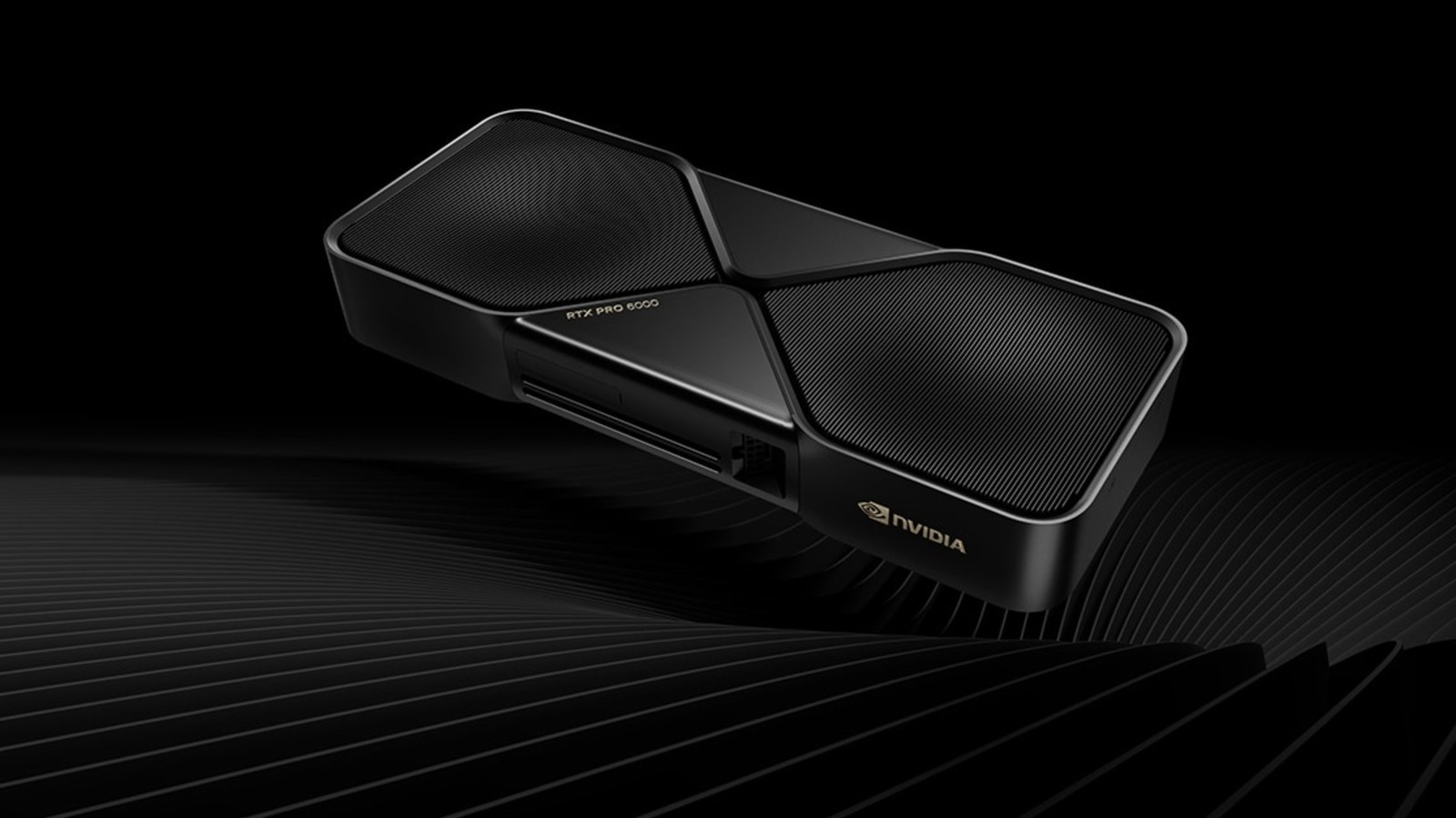
I find the $16,000 price tag on the RTX PRO 6000 less interesting than the fact that NVIDIA almost seems embarrassed to sell it. The card reportedly crushes the RTX 5090 in raw compute, yet it doesn't appear on typical retail shelves because NVIDIA doesn't want it there. This is deliberate design, down to the product naming itself. The word "PRO" is doing a lot of work in that title.
For a long time, the argument was that high-end gaming GPUs were secretly the best AI hardware for anyone on a budget. That argument is now officially dead. The PRO 6000's massive VRAM and certified software stack mean it's built for a world where a crashed render or an unstable training run costs far more than the hardware itself. The consumer RTX 5090, for all its gaming prowess, is a different machine entirely.
I think the real story here is about where NVIDIA sees its future. It has clearly decided that its center of gravity is in the data center and the enterprise lab, not in the enthusiast's PC tower. The consumer card still exists, but it's now almost a side effect of the company's main momentum. If you're an individual researcher or a small studio, this divergence is a real problem, because the price gap between a top consumer card and a true professional tool is now enormous. It feels less like a product lineup and more like a statement of intent. You're not just buying hardware; you're buying into a certain philosophy of what computing should be.