Baby, She's Back! SpaceX Catches a Starship From Orbit for First Time
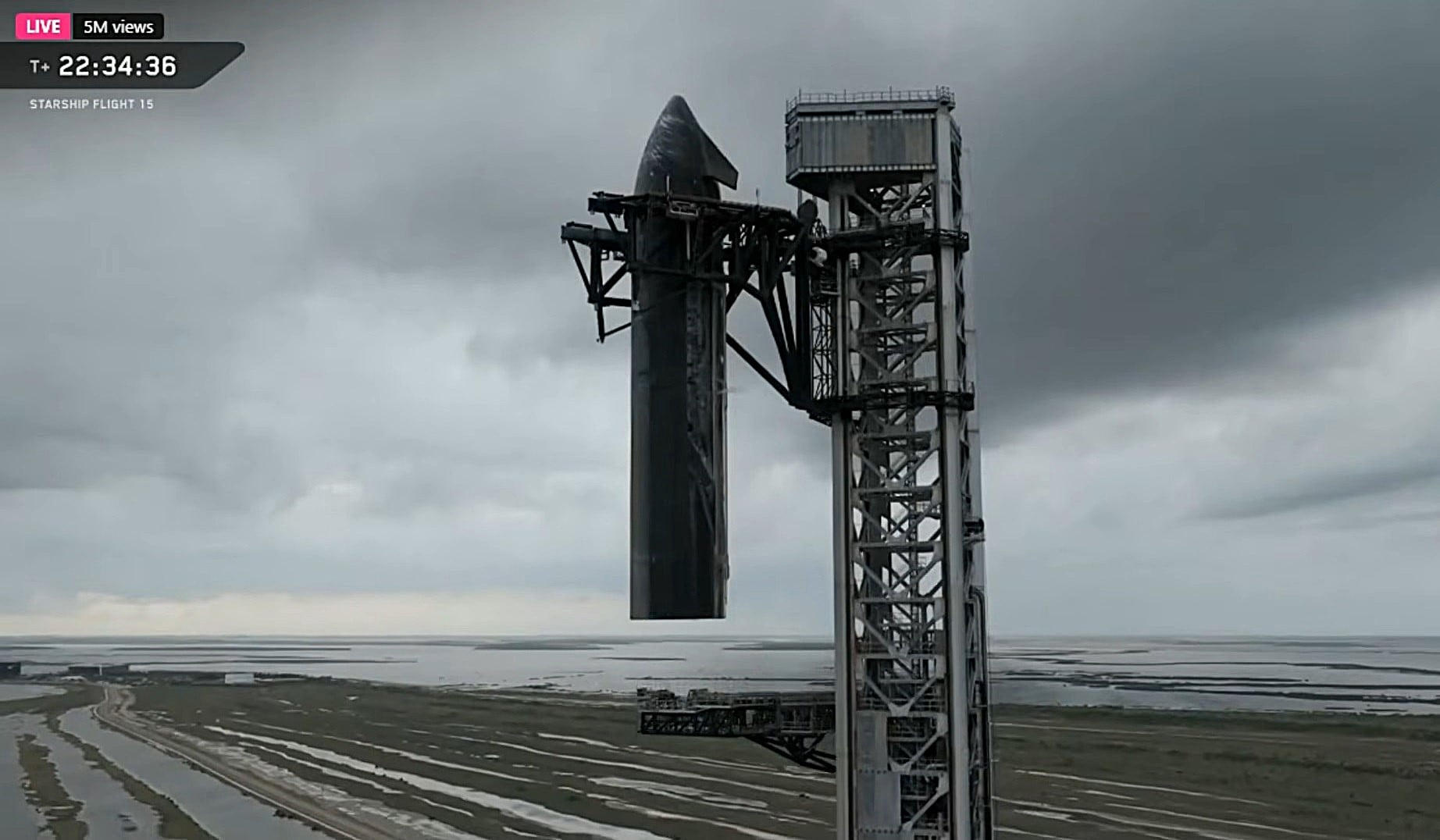
I keep thinking about those 22.5 hours. For most of rocketry's history, the hard part was getting up; coming home meant a controlled crash or a splashdown that still left the vehicle dead. Catching a second stage with mechanical arms after it circled the planet feels like the universe's most precise game of pickup sticks, and it changes the math on what a space program can afford to fly.
The thing I love is that it's not just showing off. Every pound you don't rebuild is a pound of cost you don't pay, and reusability is what finally makes heavy lifting to orbit look like an airline schedule instead of a moonshot. I'd want to know how many times this ship can fly before something wears out, and what happens when the catch fails at scale, because the arms are only as good as the software and the wind that day.
I land on this being a genuine turning point. We've watched boosters land on droneships for a decade, but a second stage coming back from orbit and getting caught is a different animal. It makes me think the next decade isn't about whether we go farther, but how cheaply and how often we can come back.