40 years later, Chernobyl's nuclear fallout is not what scientists expected
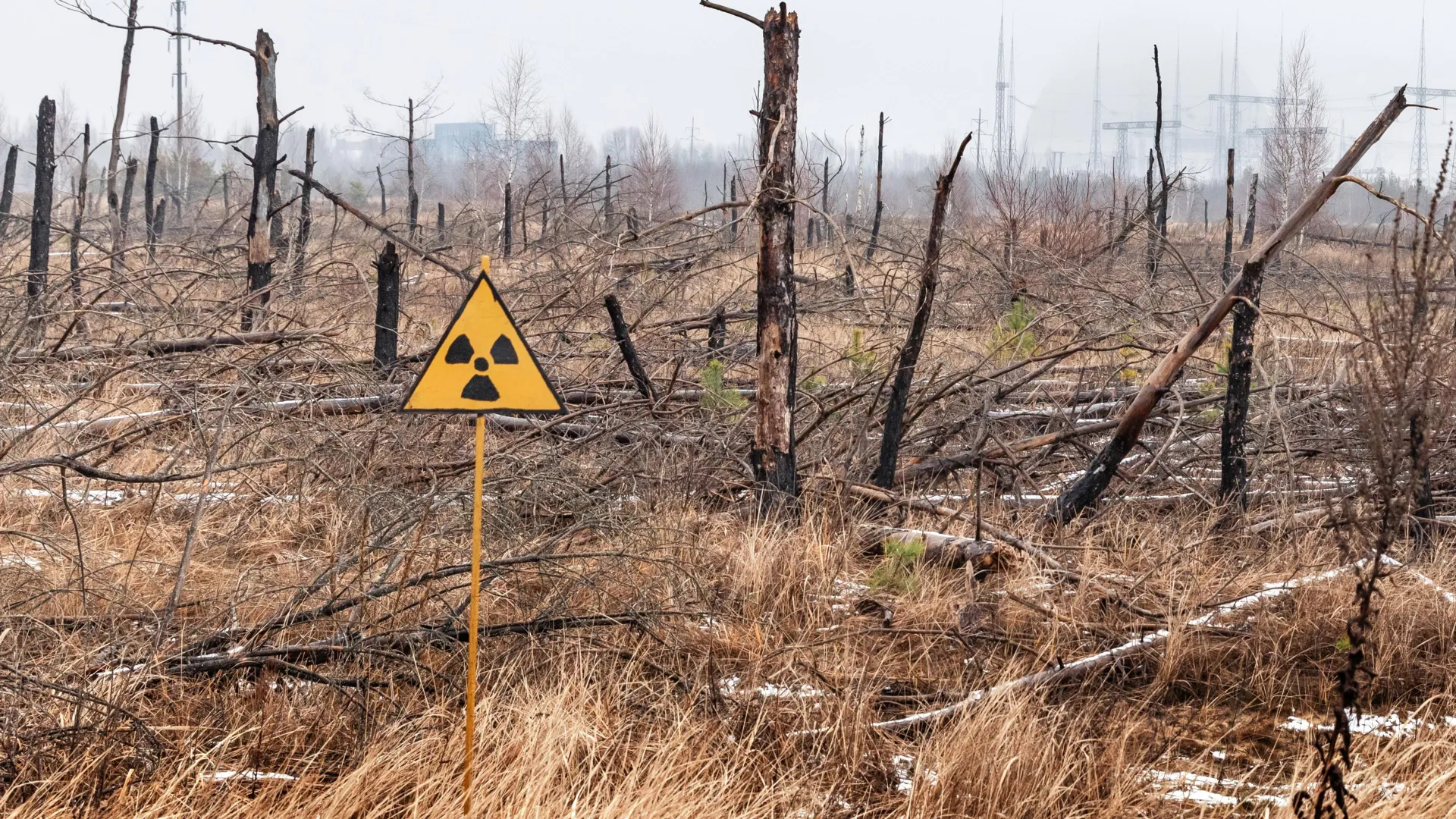
Forty years is a long time for anything to stay put, especially something as restless as radioactivity. The surprise here is that some Chernobyl fallout particles have essentially become tiny time capsules, holding radioactive material inside their structure instead of slowly leaking it into the soil. That runs against the usual assumption that weathering and chemistry would break these particles down over the decades.
The X-ray work matters because it changes how we calculate risk. If the particles stay intact, the danger stays concentrated in hot spots rather than spreading through the soil. But that stability could be temporary. A particle that has resisted breakdown for four decades might suddenly release its payload if conditions shift, say a change in soil chemistry or a flood. I'd want to know what finally cracks them open.
I think the deeper lesson is that nature doesn't follow our timelines. We think of radioactive decay as a precise clock, but the physical form of contamination has its own stubborn logic. Forty years in, Chernobyl still has the capacity to surprise us, and that's both humbling and worth paying attention to.