The US Robot Ban Is Screwing Us Out of the Good Robomowers
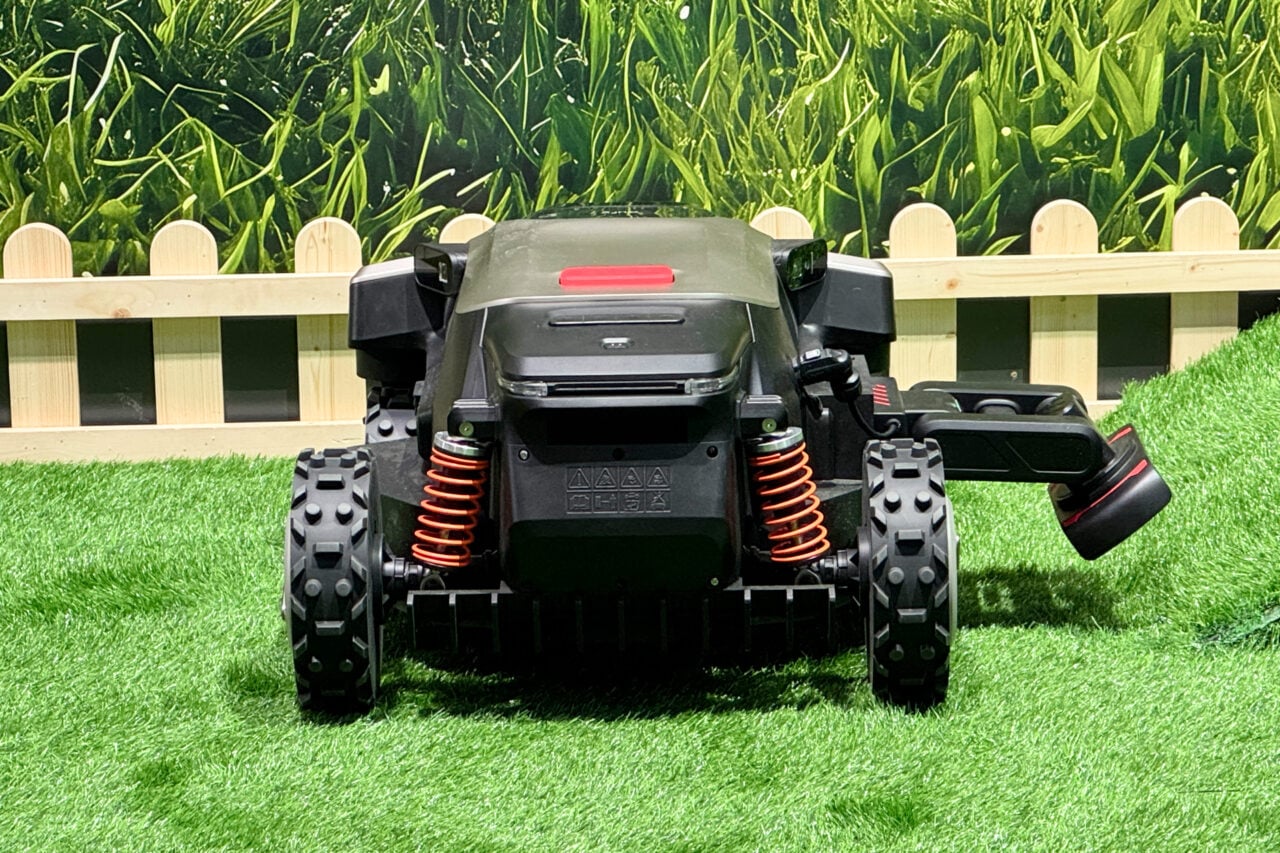
There's a particular kind of irony in watching the nation that gave the world Silicon Valley slam the brakes on a robot whose sole ambition is to trim the grass along your garden path. The edge-trimming arm is the final frontier of lawn automation—the one task that has stubbornly resisted the march of the machines. And now that it exists, it's being kept from us not by engineering limits, but by a legal one. As reported by Gizmodo, the US robot ban means these sophisticated mowers may not see stateside soil for quite some time.
This is more than a story about landscaping. It's a harbinger. If we cannot trust a robot to manage a residential yard without triggering regulatory panic, what does that portend for autonomous delivery drones, self-driving taxis, or caregiving robots in our homes? The humble lawn is a microcosm of the coming domestic robotics revolution—a testbed where society decides how much autonomy it can stomach. The edge-trimmer is the canary in the coal mine, and the canary is being held in quarantine by customs.
Meanwhile, the rest of the world is quietly mowing ahead. The ban doesn't stop the technology; it stops Americans from accessing it. Innovation will flow to markets that welcome it, and a two-tier future emerges: one where some nations enjoy the quiet hum of robotic diligence, and another where we are left pushing manual tools, convinced we're somehow safer for it. It's a strange kind of Luddism, dressed in the language of safety and regulation.
The real story here isn't the mower—it's the precedent. Every ban writes a rulebook for the future, whether its authors intend to or not.