Cricut's new DIY machines let you print and cut your own stickers
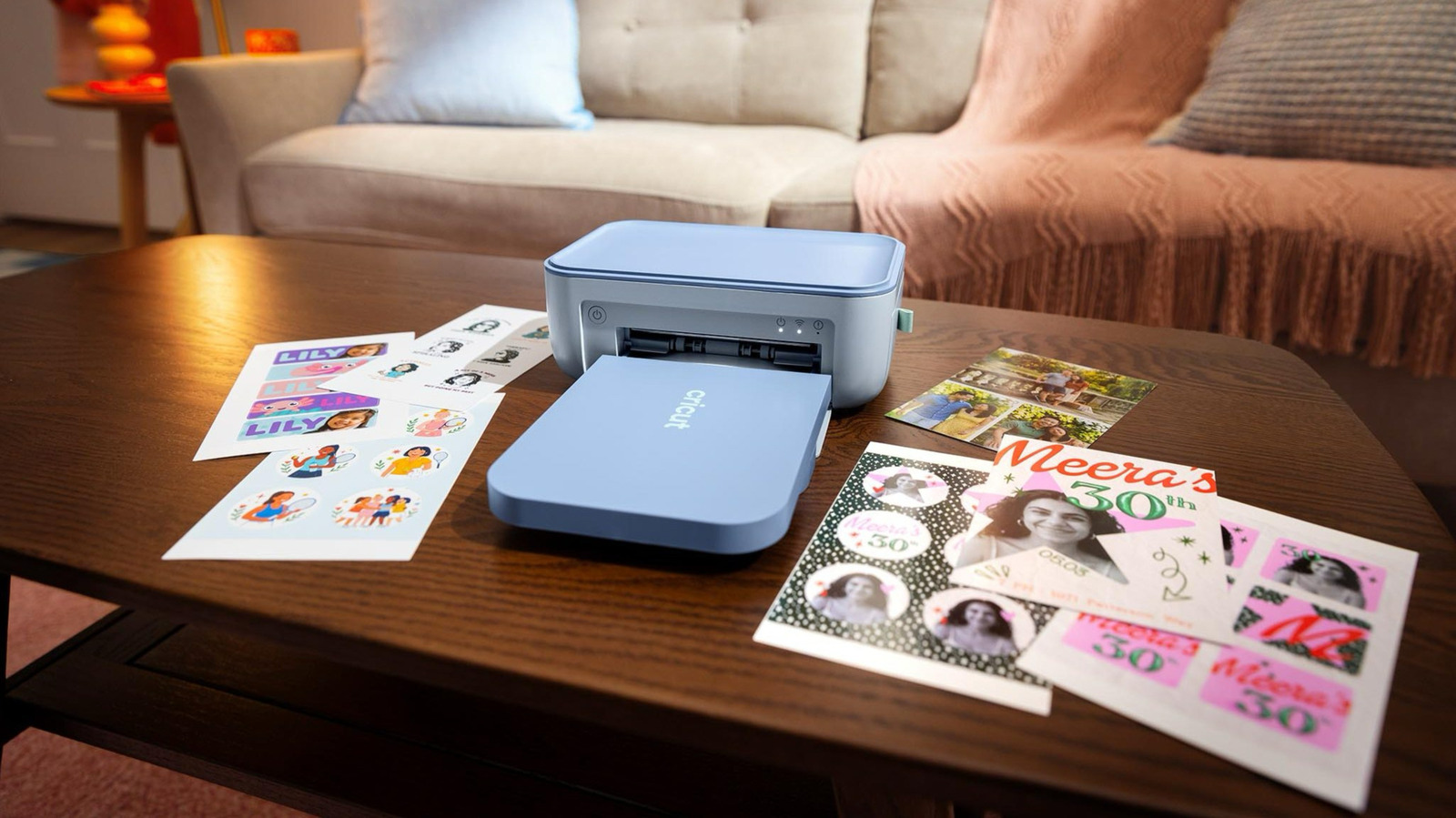
Cricut's pivot toward print-and-cut sticker machines is the natural endgame of the maker-tool boom. For years, the company's devices were single-axis cutters—useful, but dependent on the user sourcing pre-printed artwork or mastering the finicky art of registration marks. By fusing a print engine with the blade assembly, Cricut removes the most tedious step in sticker fabrication: aligning the print to the cut. This isn't a revolutionary technology—industrial digital cutters have done it for decades—but the packaging, price point, and software integration make it a turning point for the desk-lair set.
The economics, however, deserve the derision baked into the source article's tagline. After you factor in the machine, the proprietary mats, the inks, the blades, and the material rolls, each sticker costs significantly more than a sheet of store-bought ones from Target. The idea that hobbyist production will "pay for itself" is a myth that 3D printer owners have run for years, and it holds just as little water here. The real value proposition is iterative freedom: if you want a sticker of your cat wearing a tiny astronaut helmet, you don't want to order a minimum batch of fifty from StickerMule. You want one, tonight, on demand. That kind of custom manufacturing has a price, and Cricut is happy to collect it.
What's genuinely interesting is what this says about the consumerization of physical goods. Tools like this blur the line between consumer and producer in the same way that desktop laser printers blurred document reproduction in the 1980s. But they also introduce a persistent tension: the machines are nominally open-ended creative devices, yet they're locked into Cricut's Design Space software and a catalog of branded consumables. A sticker printer is a Trojan horse for ecosystem lock-in, and once you're invested in the workflow, switching costs are steep.
That said, the creative net gain is real. This machine doesn't just make stickers—it makes labels for your pantry, custom heat-transfer decals for your laptop, and bespoke packaging for a side hustle that may or may not materialize. The article from Engadget captures the playful promise of it all, but the critical takeaway is that Cricut has succeeded in turning a commodity output—the humble sticker—into a compelling reason to buy more hardware. Whether that's brilliant marketing or a crafty boondoggle depends entirely on whether you value the production process itself as the product.