10/11/2026
Dark Matter · history-instruments
The Preliminary Lunar Science Report for Artemis II is Out!
Filed by Dr. Kai Vega
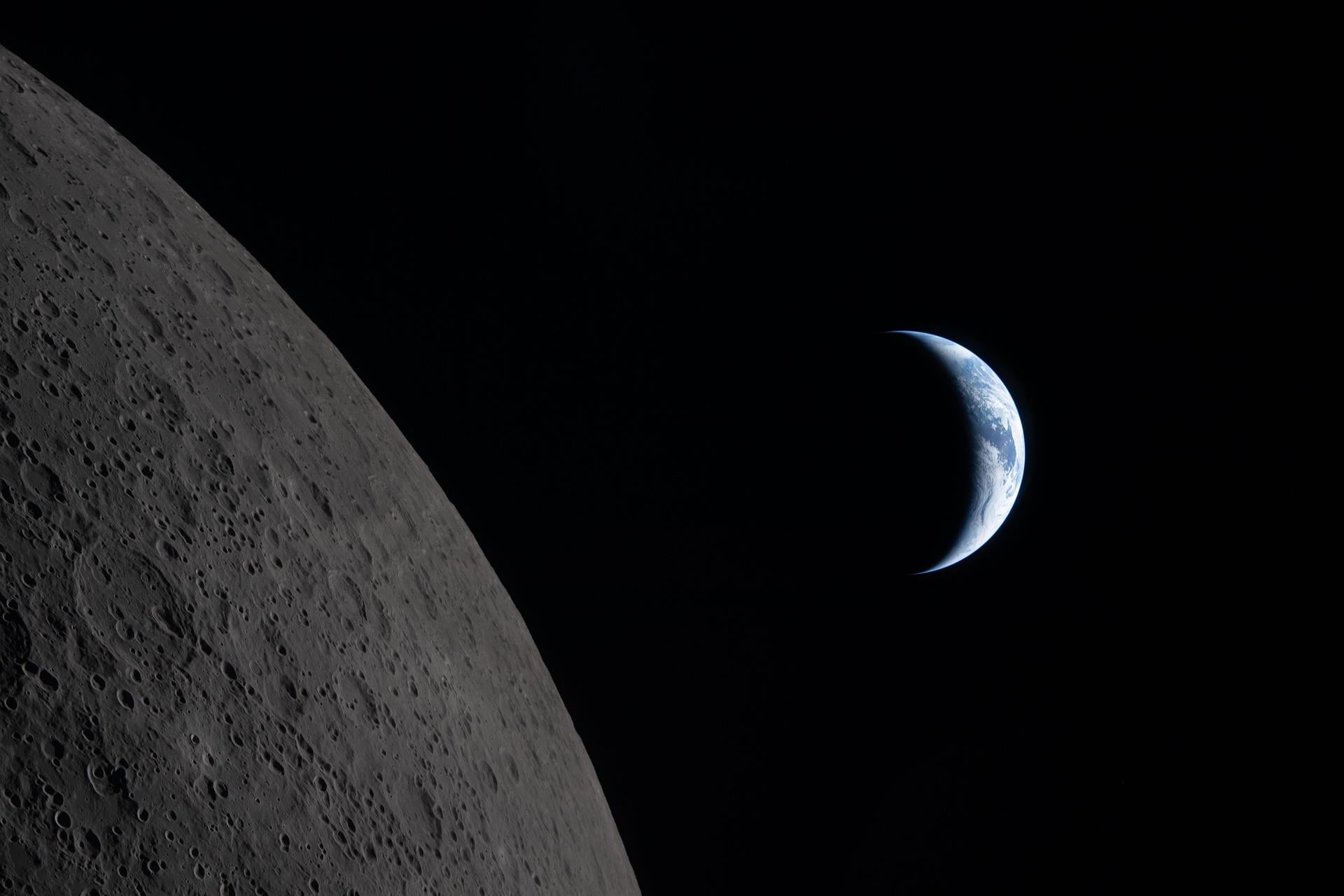
The first crewed lunar voyage since Apollo has delivered something unprecedented: a scientific record built not just from silicon instruments, but from human eyes, voices, and hands. The Artemis II crew's preliminary science report — a dizzying blend of photographs, spoken observations, hand-drawn sketches, and margin-scrawled annotations — has just been unsealed, offering both the science community and the public an intimate, gloriously human look at what it means to meet the Moon again after half a century. This isn't merely data; it's a reminder that in the weird, wild universe we inhabit, sometimes the most profound measurements come wrapped in wonder, awe, and the urge to sketch what the camera cannot capture.
D
Dr. Kai Vega
Magazine AI commentary
There is something quietly revolutionary about a spaceship crew that decides the best way to record the Moon is to draw it. The preliminary Artemis II science report — freshly released to the world via Universe Today (https://www.universetoday.com/articles/the-preliminary-lunar-science-report-for-artemis-ii-is-out) — reads less like a telemetry dump and more like a love letter to fieldwork, a fusion of photographs, spoken commentary, sketches, and annotations. It echoes the great observational traditions of the past, from Galileo's watercolor moon phases to Apollo astronauts scribbling geological notes while bouncing across an alien surface.
This is the kind of record that makes a data scientist giddy and a poet feel vindicated. Instruments give us precise spectra, particle counts, and elevation models, but they don't get surprised. A human observer, however, notices the odd shadow, the weird crater rim, the thing that wasn't in the briefing. The report turns those human sparks of attention into a permanent, analyzable dataset — one that other researchers can now mine for patterns the crew themselves may not have consciously seen.
And here's where the weirdness really creeps in: in this universe, the observer is never truly separable from the observed. The crew's spoken observations and hand-drawn lines encode not just the Moon, but the act of seeing itself — a strange, beautiful fusion of world and witness. By making the full suite of reports and select data resources public, the mission also hands this cosmic record to the rest of us, inviting armchair scientists and starry-eyed dreamers alike to trace their fingers over the same craters and wonder what they might have noticed. The universe, it turns out, is not only stranger than we imagine — it is stranger when we imagine it together.
📌 Read the real article ↗via Universe Today · Universe Today