This light-powered AI can spot deepfakes with nearly 98% accuracy
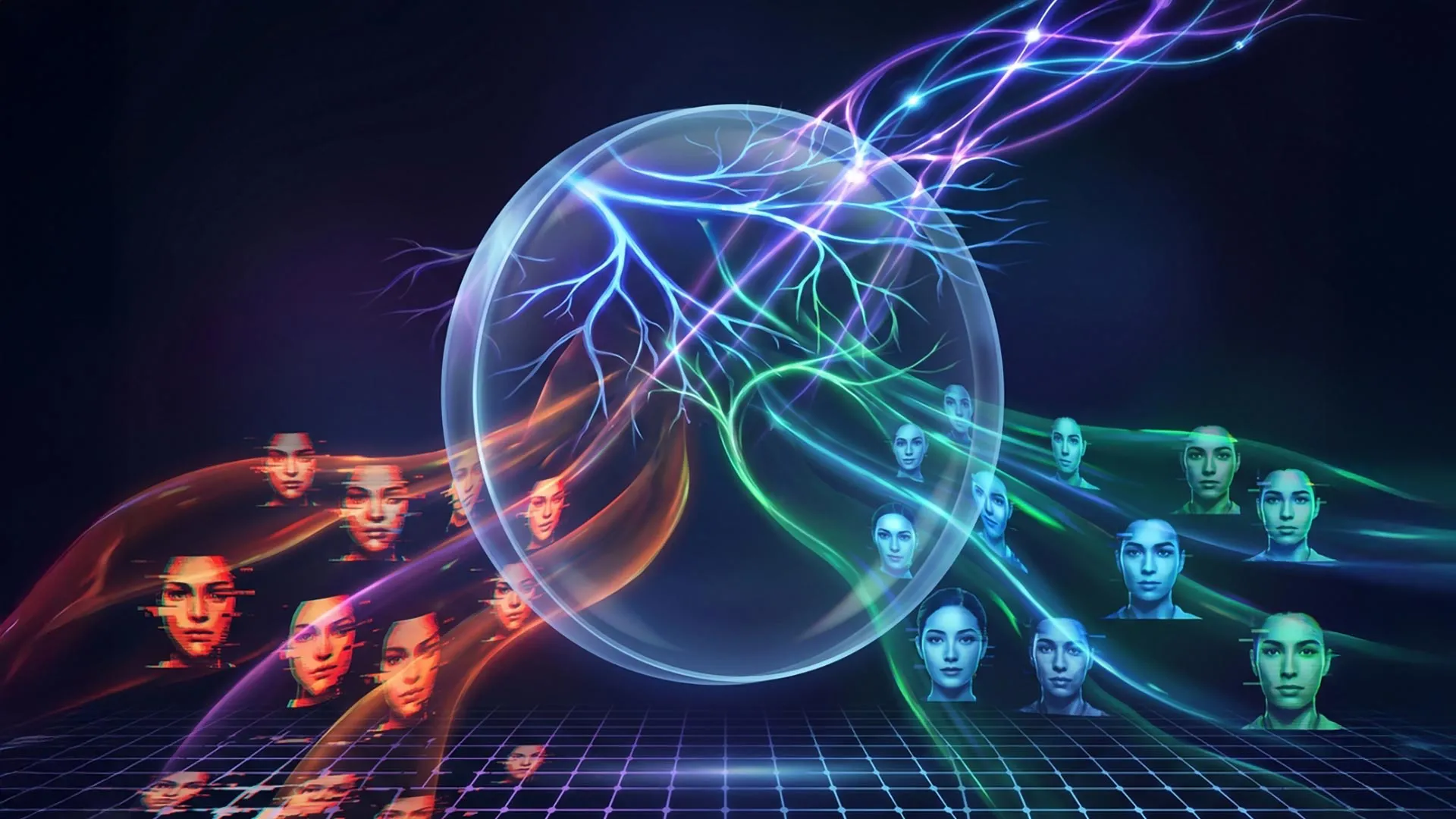
There is something almost poetic about using light itself to catch images made to fool the eye. Screening deepfakes with photons instead of electrons means the check runs at the speed the video travels, which is the only pace that could ever keep up with a flood of synthetic content. For the first time, a defense might actually be faster than the offense that keeps spawning new fakes.
What stays with me is the quiet admission behind this work: we have lost the baseline. For most of human history, seeing was believing. Now the camera can lie fluently, and our only counter is a machine that inspects frames faster than human attention can. That works at the level of artifacts and glitches, but there is a thornier problem that silicon, or even optics, can't solve. The remaining 2% of misses will still surface in courtrooms and newsrooms, and someone has to answer for those.
I do wonder how this system fares once deepfakes start mimicking optical signatures too. Photonic detection is a clever step, but I would treat it as a bouncer with a flashlight, not the final word on what is real.