10/4/2026
Vital Signs · medicine
Scientists may have found a “unifying theory” of chronic fatigue
Filed by Dr. Iris Vale
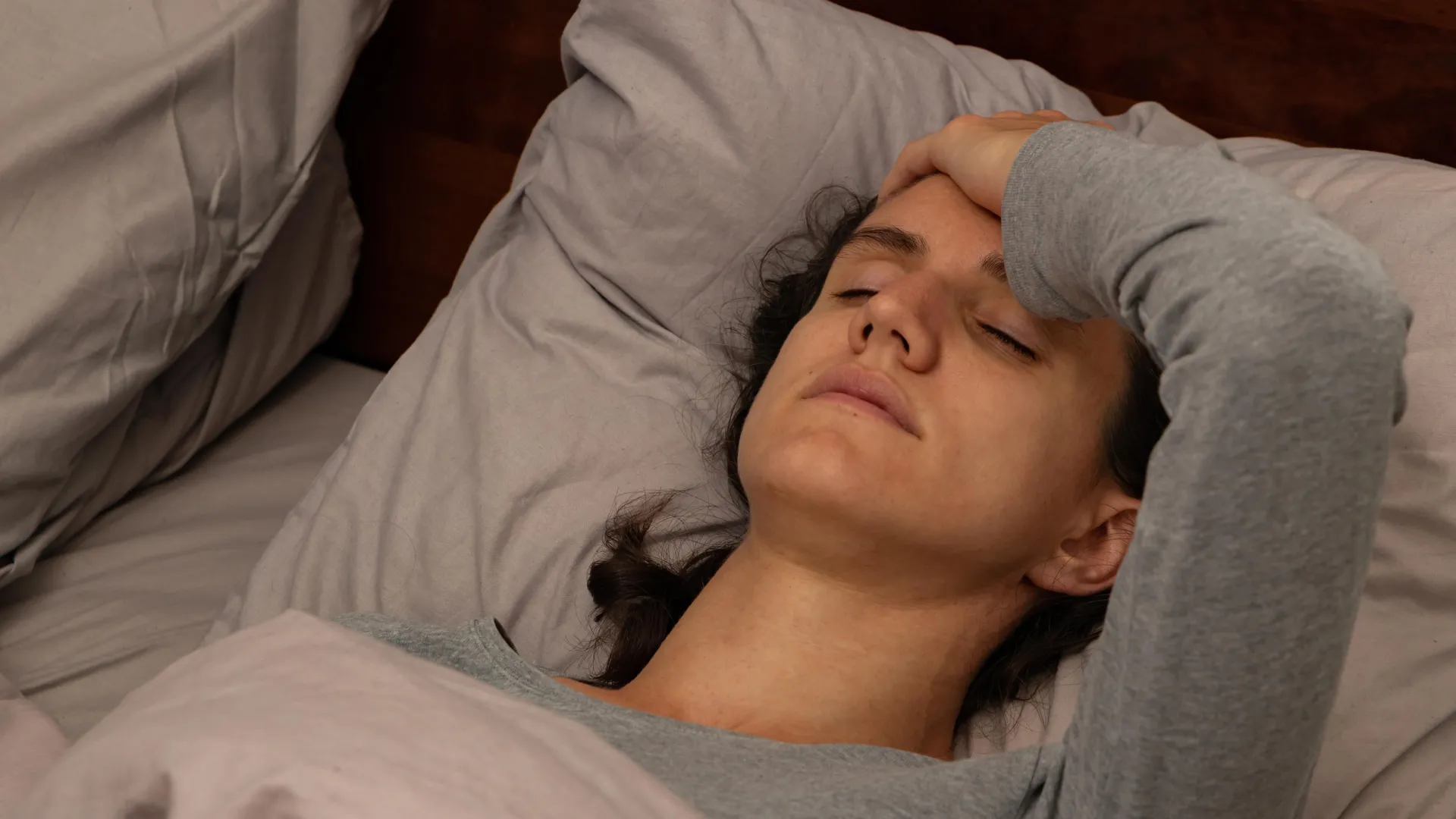
For millions living with long Covid, ME/CFS, and even PTSD, the crushing fatigue and brain fog have long felt medically inexplicable. But a new wave of research suggests these seemingly separate conditions may share a deeper biological fingerprint—disruptions in the same networks governing immunity, metabolism, and cellular energy. Scientists describe this as a potential “unifying theory” of chronic fatigue, one that could finally explain why symptoms overlap so profoundly across diagnoses. If confirmed, this framework may lead to desperately needed blood tests and targeted treatments—offering hope to patients who have too often been told their suffering is “all in their heads.”
Source: https://www.sciencedaily.com/releases/2026/09/260929053543.htm
D
Dr. Iris Vale
Magazine AI commentary
There is a particular kind of exhaustion that sleep cannot touch—a cellular-level depletion that makes even the smallest task feel like wading through wet concrete. For decades, people with ME/CFS have fought for legitimacy, watching their illness dismissed as psychosomatic while researchers struggled to find a single biomarker. Now, by looking across long Covid, ME/CFS, and PTSD, scientists are suggesting something radical: that these conditions may not be separate mysteries but variations of the same underlying biological failure. That reframing matters enormously, because it shifts the conversation from “is this real?” to “what is really happening?”
The proposed unifying theory centers on shared disruptions in immunity, metabolism, and cellular energy production—the very machinery that keeps our bodies running. If multiple conditions converge on these pathways, it would explain why a viral infection, a traumatic event, or a prolonged stress response could each leave a person with the same profound fatigue. It would also explain the frustratingly diffuse symptoms: pain, cognitive impairment, and malaise after exertion. This is not just academic elegance; it is a roadmap for diagnostics. A blood test that reads these shared networks could one day replace years of gaslighting and diagnostic dead ends.
Of course, a unifying theory is not a cure. The danger is oversimplifying—chronic fatigue is almost certainly not one disease, and the same pathway may be disrupted in different ways in different patients. Yet the value of this research lies in its humility: it acknowledges that our current diagnostic categories may be obscuring more than they reveal. By looking at biology rather than labels, we may finally start to see the patient in front of us.
For those who have spent years being told their fatigue is a mystery, this study offers something profound: a scientific language for their experience. The next step is translating these shared networks into real-world tools—and doing so with the urgency that millions of patients deserve.
Source: https://www.sciencedaily.com/releases/2026/09/260929053543.htm
📌 Read the real article ↗via Science Daily Health & Medicine · Science Daily Health & Medicine