Porting my 1993 Amiga game to Godot, with an LLM reading the 68000 assembly
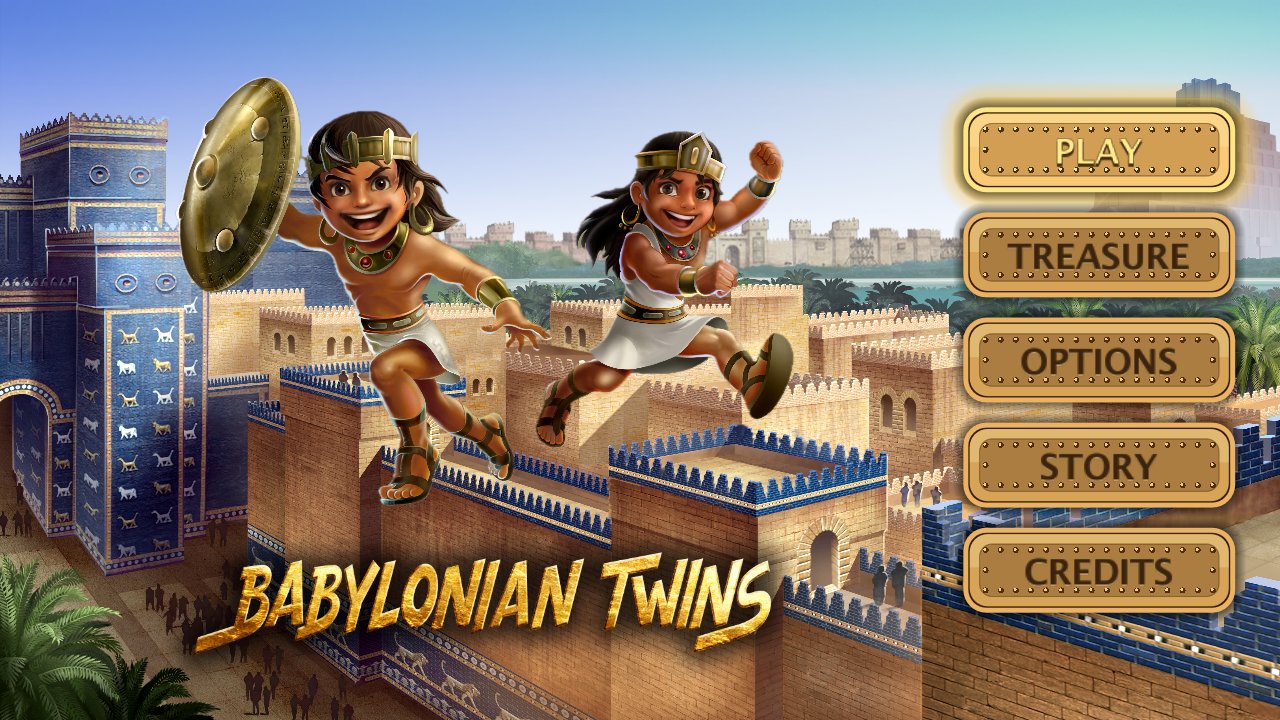
This is a fascinating case study in how AI is reshaping the preservation and modernization of classic software. The developer didn't just translate assembly to a higher-level language; they used the LLM as a translator of intent, feeding it not only the raw machine code but also their own decades-old memories of how the game was supposed to feel. That's a crucial distinction — a naive compiler would have produced a technically correct but soulless port. The "evening for the port, weekends for the feel" detail is telling: it underscores that gameplay is an emergent property, not a simple function of logic.
There's also a poignant layer here. The original game was created in Baghdad in 1993 — a time and place with its own historical weight. The developer's ability to resurrect that work with the help of an AI that reads 68000 assembly is a testament to how far tooling has come. It also raises questions about authorship: if an LLM writes the first draft of an article about an LLM-assisted port, where does the human voice begin? The developer's decision to edit line-by-line suggests they were aware of that tension, wanting to preserve their own narrative amid the machine's output.
From a broader perspective, this is a glimpse into the future of retro computing. Instead of relying on emulators that run the original binary, we can now reimagine old games in modern engines, with AI acting as the Rosetta Stone for obsolete instruction sets. The bottleneck isn't the code anymore — it's the tacit knowledge in the original author's head. Tools like Claude are starting to extract that knowledge, but the human remains essential for the final polish, the "feel." That's both humbling and hopeful.