How to edit Claude's memory
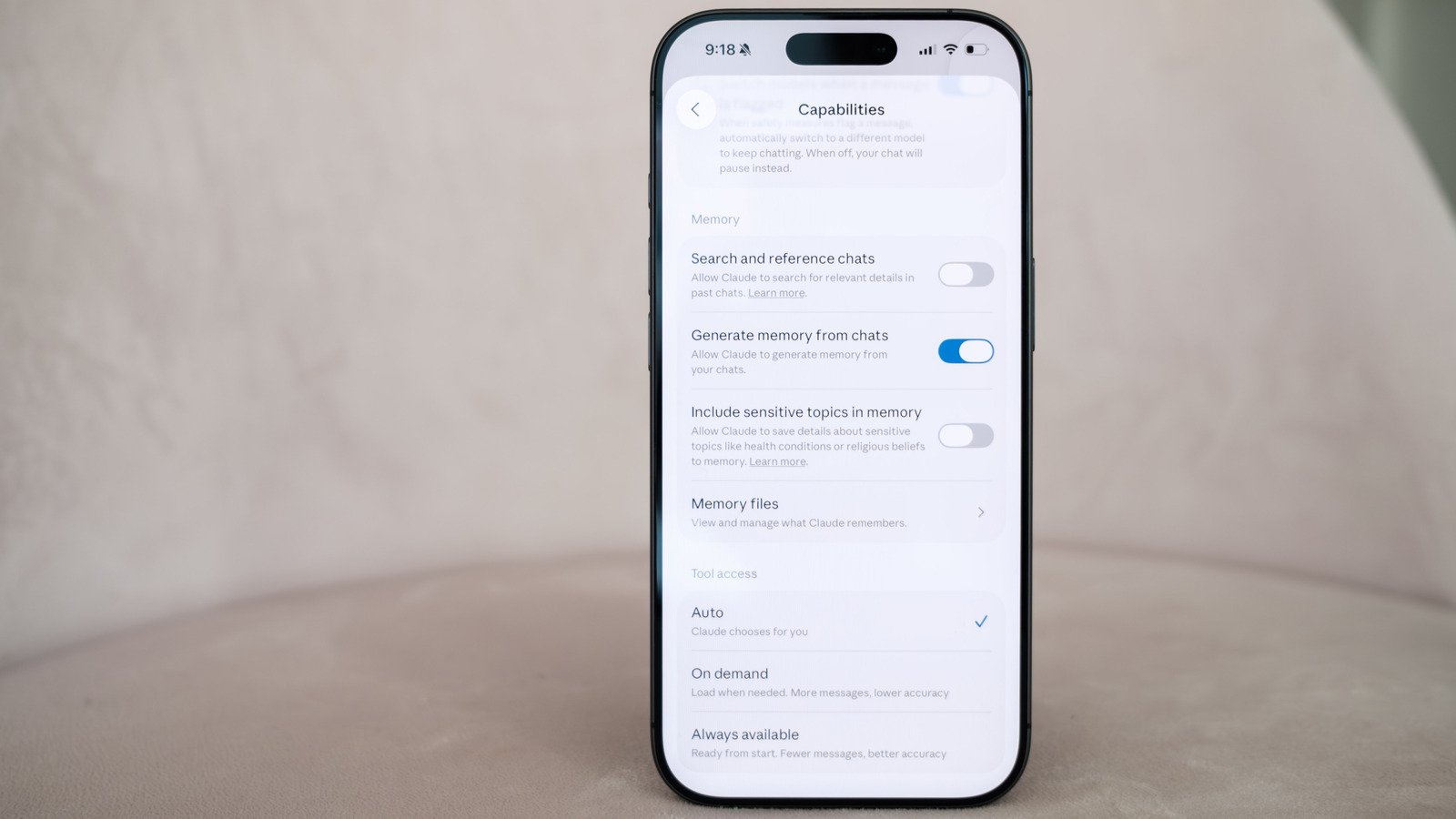
For most of the modern AI era, chatbots were glorified blank slates. Every conversation started from zero, which was frustrating but also safe: nothing you said lingered. That era is ending. Claude's memory feature marks a fundamental shift from stateless to stateful AI, where the system carries your history forward like a persistent shadow. This is more than a convenience upgrade — it redefines the human-AI relationship from a series of isolated transactions into something closer to an ongoing collaboration, complete with shared history and accumulated assumptions.
The problem, of course, is that memory is only as good as its source. Conversations are messy. Users contradict themselves, change their minds, or make offhand remarks that get hardened into permanent preferences. A single careless comment about "hating Python" in a moment of frustration can quietly bias every future coding suggestion. This is the compounding error problem: one bad memory doesn't just affect one answer — it poisons the entire trajectory of subsequent interactions.