Tiny sound waves could help solve a major quantum computing problem
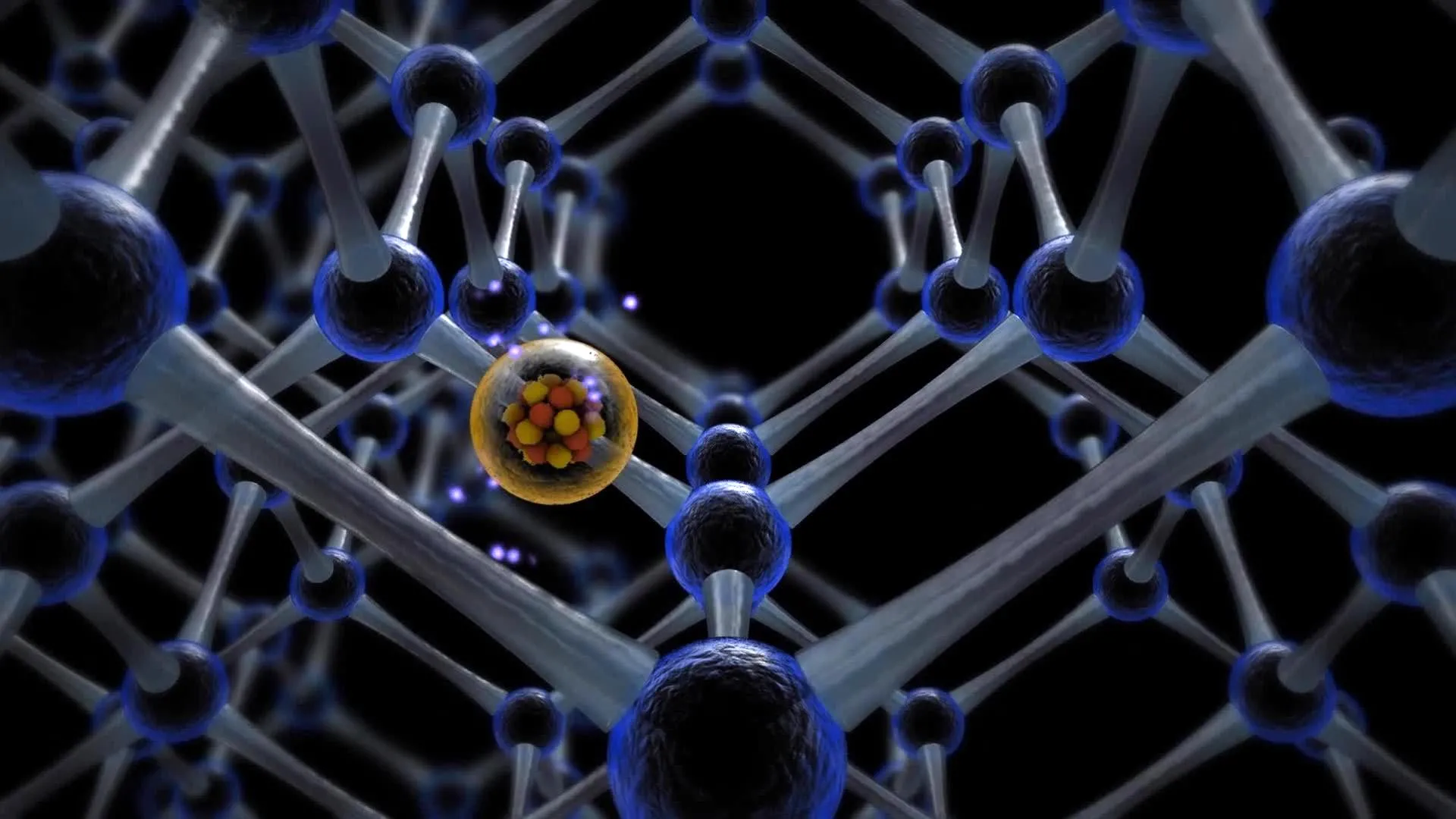
Phonons stretching a diamond qubit's lifetime by nearly threefold is the kind of result that sounds like a neat lab trick until you think about what it implies. Quantum computers fail because their states leak into the environment, so the instinct is always to isolate them more. Harvard's approach flips that: give the qubit something gentle to dance with, and it holds itself together longer. That's counterintuitive in the best way.
I like the image of sound as a lullaby, but the practical part matters more. If phonons can both stabilize qubits and shuttle information between them, then the same physics that keeps a state alive could also move it across a chip. That would make quantum devices far easier to build, because you wouldn't need a separate, finicky interface for every connection. Sound is already everywhere in classical technology; borrowing it for quantum feels natural.
I'd want to know how robust this is. Does the vibration help with every kind of error, or only some? And can it scale beyond a single diamond? Still, the fact that a gentle mechanical nudge helps rather than hurts is a good reminder that protecting fragile things sometimes means keeping them busy, not sealing them off.