Farthest 'black hole star' ever found could help solve the James Webb Space Telescope's little red dot mystery
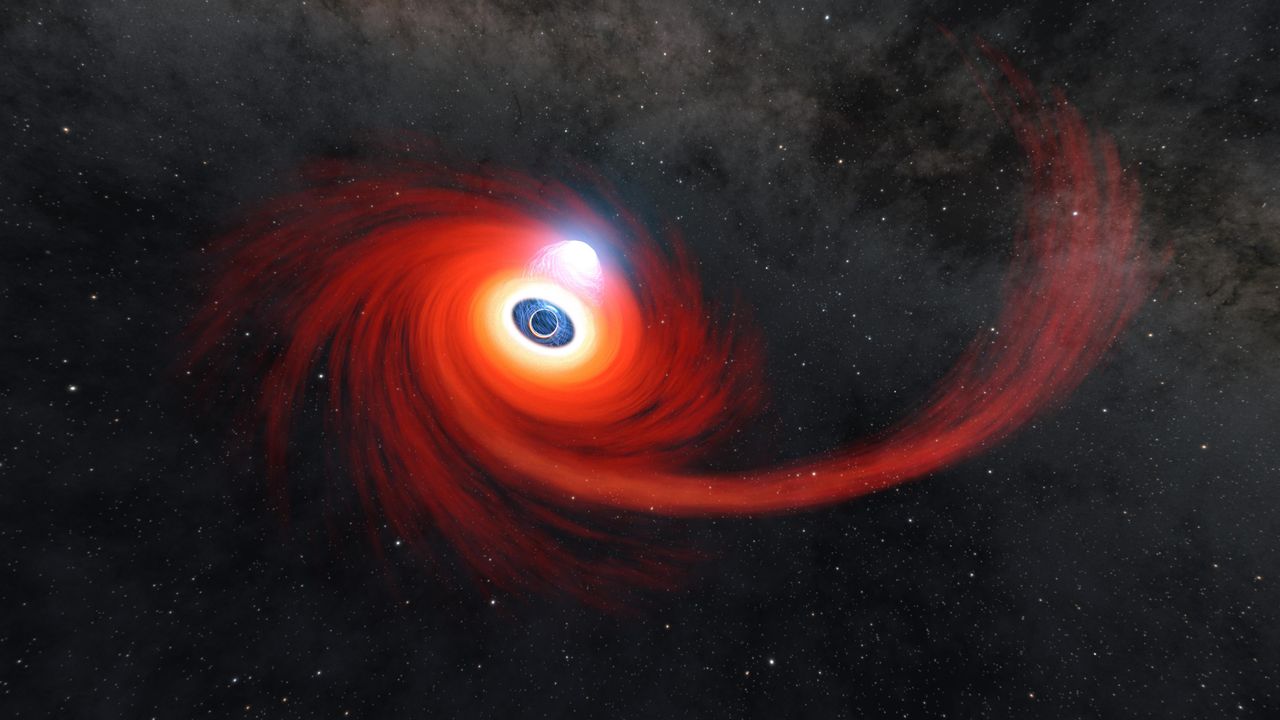
The little red dots have been the universe’s most infuriating inkblots — smeared across JWST’s early-universe images, defying easy explanation. Now, the discovery of the farthest “black hole star” yet offers a key: these crimson smudges may be the blazing hearts of feeding supermassive black holes, glimpsed at cosmic dawn. That’s not just a box checked; it’s a thread pulled that could unravel how the first giants grew so fast.
This connects to a deeper story — the messy marriage between black holes and their host galaxies. If little red dots are black hole stars, then JWST isn’t just finding oddities; it’s finding the missing link between seed black holes and the behemoths we see later. It signals that the early universe was more crowded, more violent, and more luminous than our models predicted.
We thought we were finding dots. We were finding the shadows of giants.
For more, see the original report at Space.com.