Boulder, Colorado, and Big Oil Prepare for High-Stakes Clash in Supreme Court
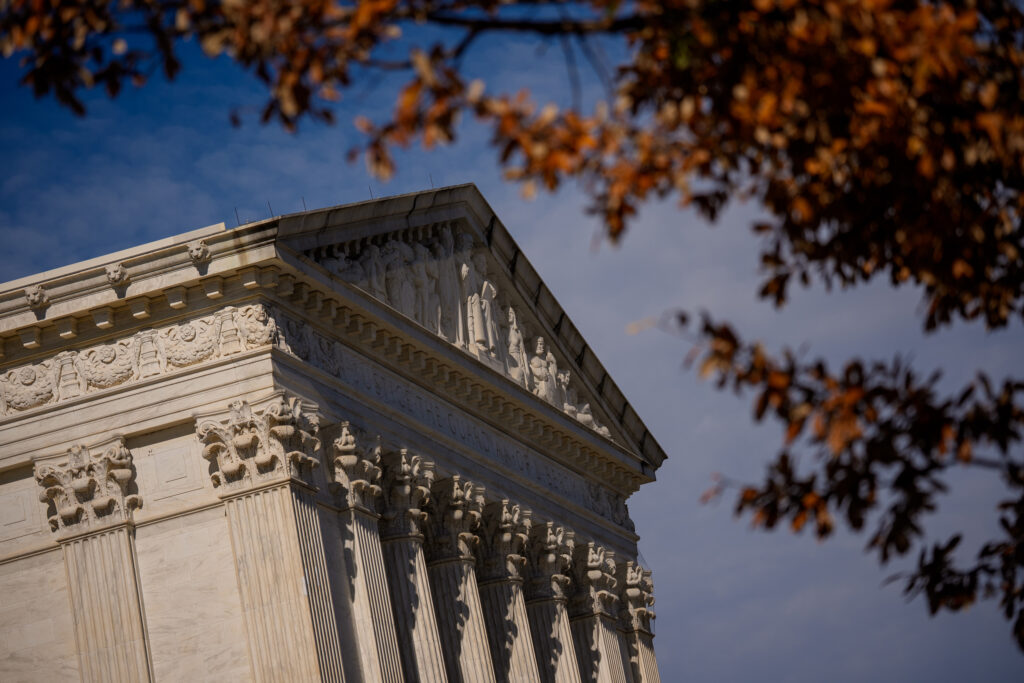
The Boulder case represents a pivotal test of whether the judiciary can serve as a functional backstop when legislative and executive responses to the climate crisis stall. For nearly a decade, municipalities from Honolulu to Baltimore have filed suit, arguing that fossil fuel companies knowingly downplayed the risks of their products while profiting from a climate catastrophe they helped shape. The Supreme Court's decision on jurisdiction won't address the merits of these claims, but it will decide whether they get a day in court at all—and before whom. That procedural question carries the weight of substantive justice.
There is something deeply resonant in the tobacco analogy that plaintiffs invoke. In the 1990s, state attorneys general took on an industry that had deceived the public about the health risks of its products, and the resulting settlements reshaped public health policy and corporate accountability. Climate litigation aspires to a similar reckoning, but it faces a far more complex domain—one where the harms are diffuse, the causal chains are scientifically intricate, and the industry's defense rests on the argument that the entire economy has benefited from fossil fuels edges.
If the Court allows these cases to remain in state court, we may see a cascade of discovery proceedings that could finally force oil executives to testify under oath about internal documents, climate modeling, and decades of messaging strategy. That transparency alone could shift public discourse. Conversely, if the Court compels federal jurisdiction, these cases may be stalled—or dismissed—in venues where climate precedent has been less favorable. The stakes are existential for the plaintiffs' strategy.
We should watch the Court's reasoning closely. A ruling that focuses on the nature of the claims—whether they touch on interstate emissions and thus federal statutes—will signal how the judiciary views climate change as a governance problem. A narrowly tailored procedural decision could keep the door open for other cases, while a sweeping one could effectively immunize the industry from state-level accountability. For journalists tracking this story, the real story is not just the docket number, but the question of whether courts are equipped—or willing—to adjudicate a crisis that legislatures have deferred.