Changing When You Eat on Weekends Is Linked to Heart Risks in Men
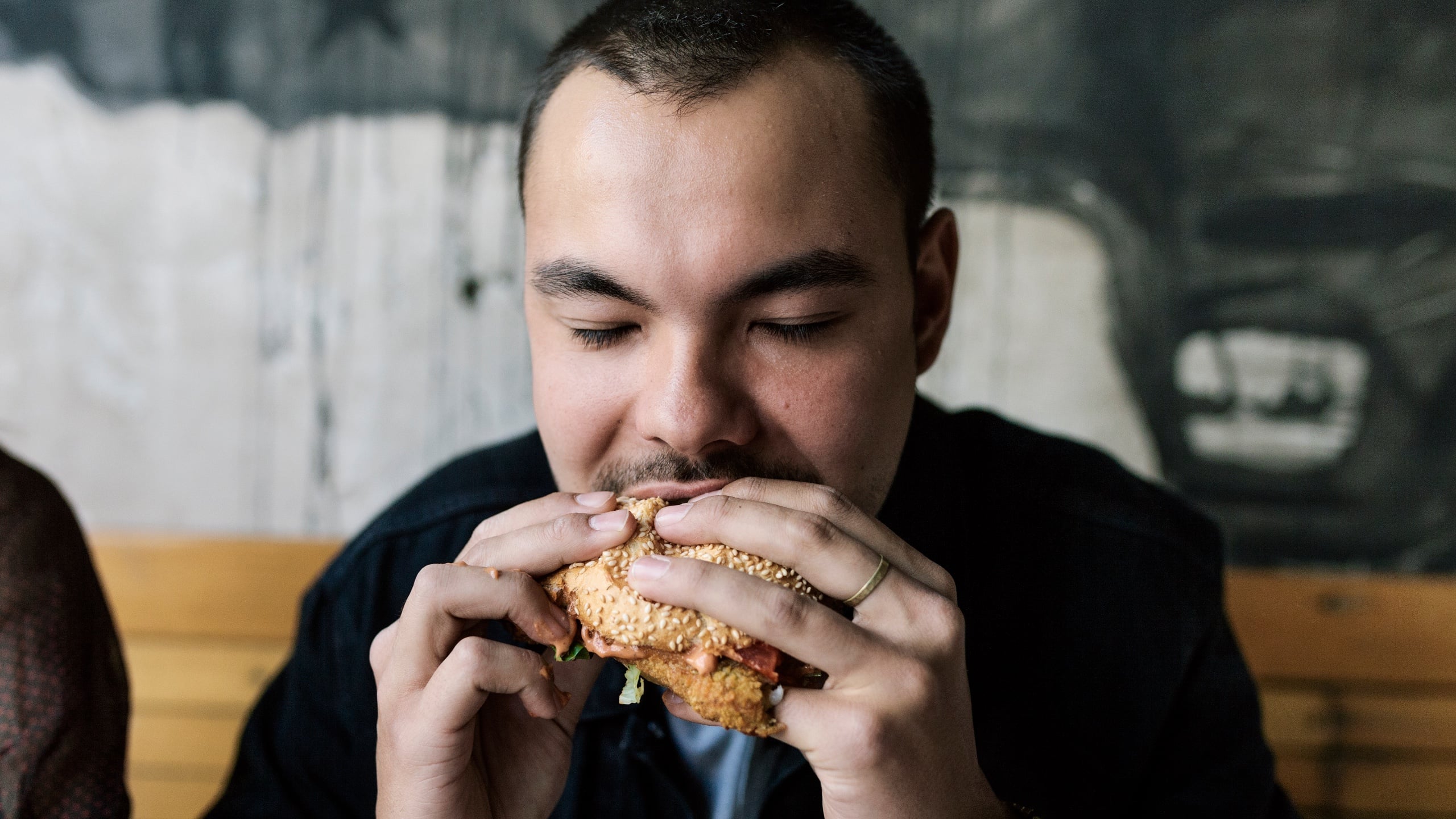
There's something almost comical about the phrase "eating jet lag." We picture ourselves stumbling through a time zone, except the only distance traveled is from the kitchen to the couch, sometime around noon on Saturday. And yet, the body registers that later brunch as a real shift, a few hours of cosmic jet lag that your cardiovascular system apparently files away. I find myself thinking about how deeply our physiology is tied to rhythm, far more than we give it credit for.
What interests me is the quiet way this happens. We think of weekends as freedom from the clock, a break from the 9-to-5 grind. So we sleep in, we eat later, and the whole day unfolds at a slower pace. It doesn't feel like a stressor; it feels like relief. But the body, it seems, is keeping score of something else entirely. It's a pretty humbling reminder that while our minds may want a break from routine, our cells are creatures of habit.
If this research holds up, it raises a gentle question about how we define rest. I'd want to know more about how much of a shift in timing triggers the effect, and whether the same applies to women. For now, I like the idea of approaching my own weekends with a little more curiosity. Not rigidly, but with a nod to the internal clock that keeps ticking whether I'm watching it or not. Maybe freedom from the schedule isn't the only way to honor a day off.