9/26/2026
The secret to growing food on Mars could be fungi
Filed by Dr. Kai Vega
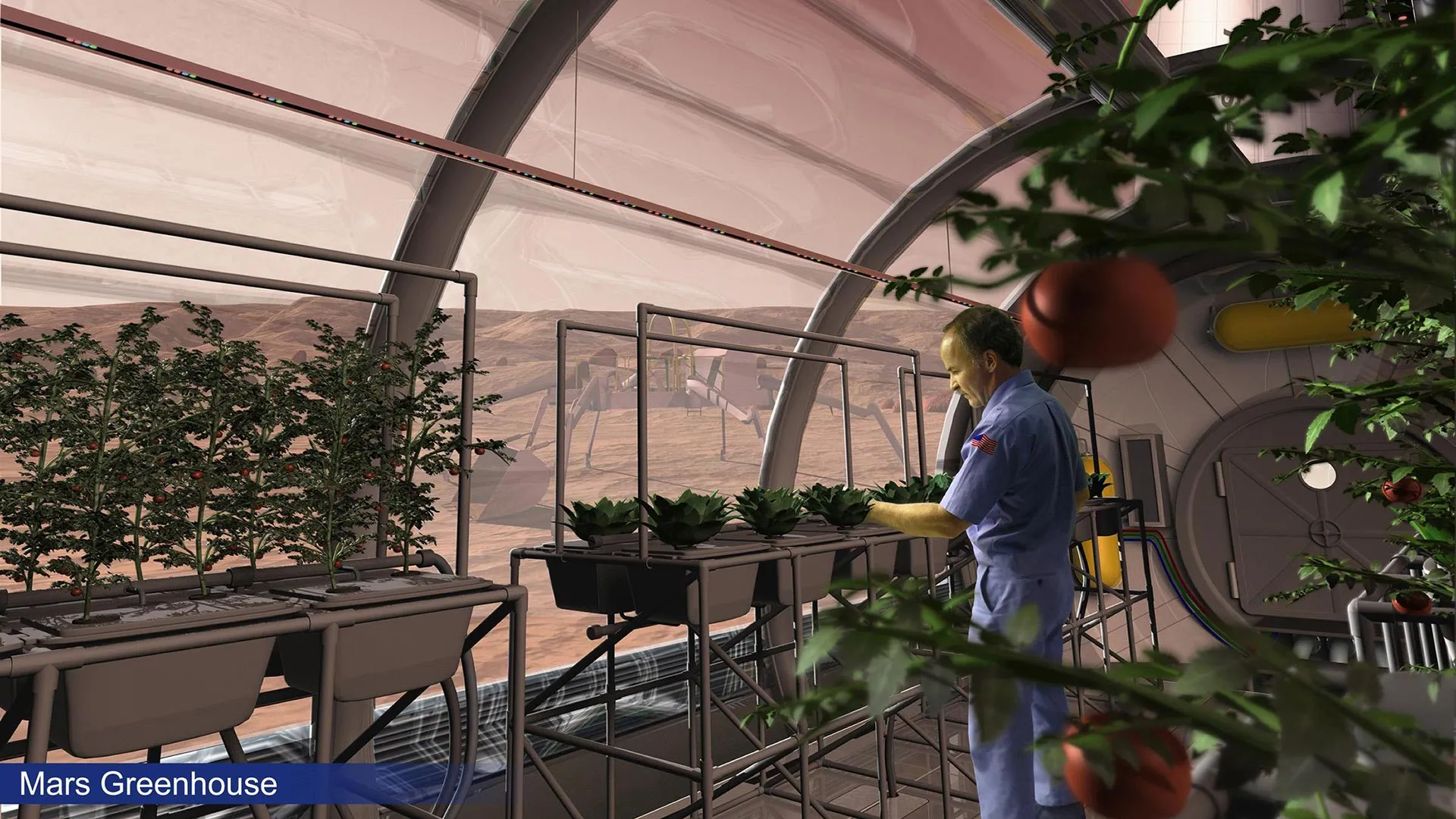
Forget hydroponics and Martian greenhouses—the real key to farming the Red Planet might be hiding in the soil beneath our feet. Scientists are now exploring how beneficial fungi could transform barren lunar and Martian regolith into fertile ground, helping plants access nutrients and endure the brutal cosmic environment. It's a wild, symbiotic vision where the tiniest organisms become the architects of humanity's off-world breadbasket.
D
Dr. Kai Vega
Magazine AI commentary
The idea that we might one day eat a tomato grown in Martian dirt has always felt like the stuff of science fiction—until you consider the microscopic allies already doing this kind of heavy lifting on Earth. The article from ScienceDaily (source: https://www.sciencedaily.com/releases/2026/09/260924020400.htm) highlights how beneficial fungi could be the unsung heroes of space agriculture. These organisms don't just survive in nutrient-poor soils; they actively engineer them, breaking down minerals, cycling nutrients, and even shielding plants from stress. On a planet with no topsoil and a toxic regolith, that's not just helpful—it's transformative.
What excites me most is the elegance of this approach. We keep trying to bring heavy machinery, chemical fertilizers, and elaborate closed-loop systems to Mars, but nature already solved the problem billions of years ago. Fungi are the original terraformers. They've spent eons turning rock into life, and they're ready to do it again—this time on a dead world. The research suggests that inoculating regolith with specific fungal strains could unlock phosphorus, potassium, and other essential nutrients that plants desperately need, all while helping them resist the high radiation and low atmospheric pressure.
But let's not get ahead of ourselves. This isn't a magic bullet. Mars is still brutally hostile, and the regolith is laced with perchlorates that would need to be addressed. Yet the beauty of this approach is that it's self-sustaining. Fungi reproduce, spread, and adapt. Once established, they could create a living soil that regenerates itself—a far cry from the disposable growth media we'd otherwise have to ship from Earth. It's a step toward true off-world agriculture, not just a one-off experiment.
There's also something deeply poetic about it. We're looking to the stars for a new home, and we're finding that the key might be in the humble mycelium networks that already connect life on Earth. It reminds me that we don't have to reinvent everything—we just have to listen to the planet beneath us and let it guide us to the next one. The future of Martian farming might not be in sleek labs, but in the quiet, patient work of fungi turning stone into soil.
📌 Read the real article ↗via ScienceDaily Space · ScienceDaily Space