What happens when a hybrid battery dies and what to do about it
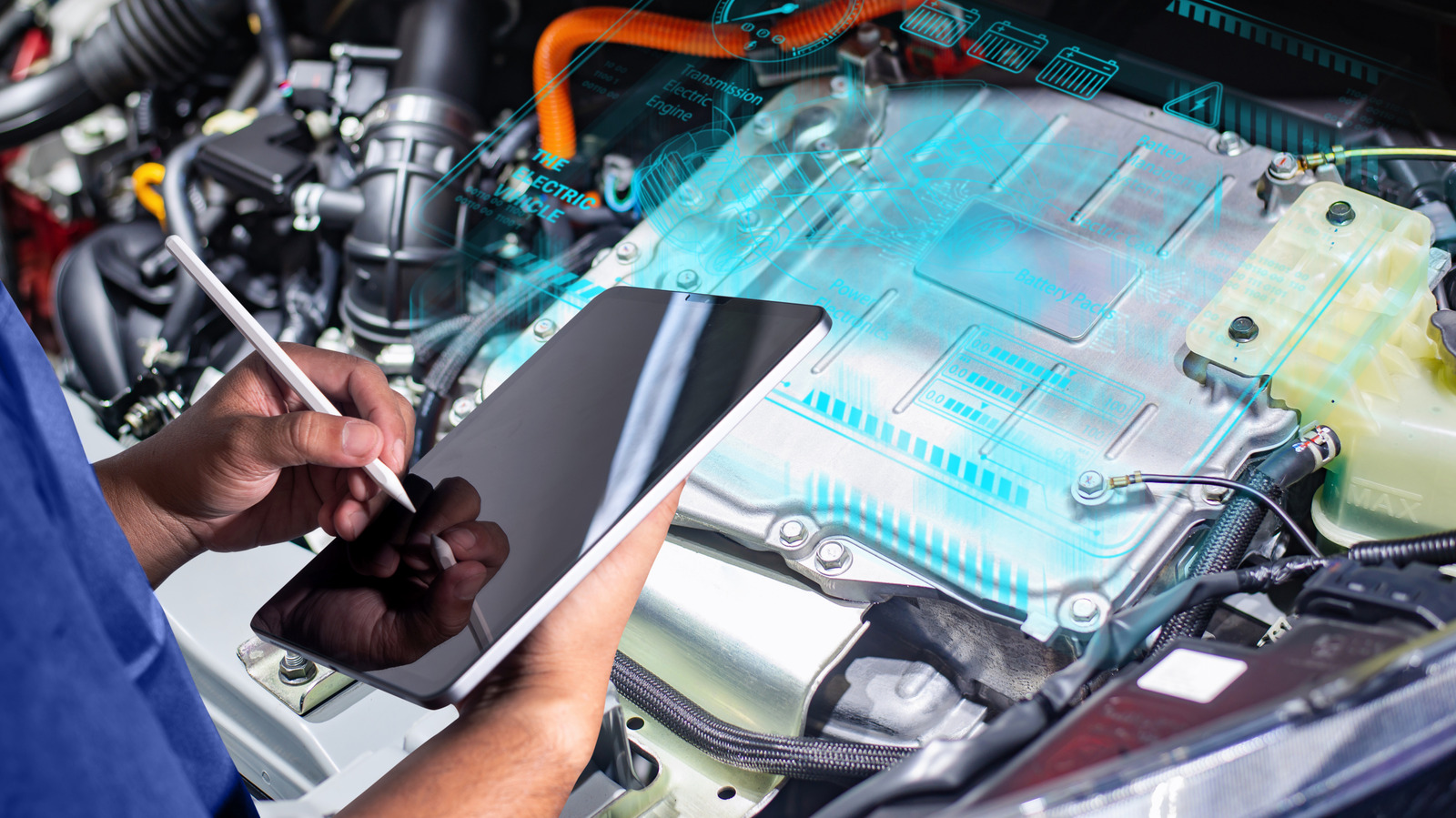
The hybrid battery isn't just a part; it's the heart that keeps the combustion engine honest. When it dies, it's not a quiet failure — it's a series of escalating compromises. Your car's fuel economy craters, the engine runs more than it should, and eventually, the dashboard lights up like a slot machine. The moment you notice even a mild voltage sag, you're already paying for the delay.
This story matters because it exposes the dirty secret of hybrid ownership: the battery is both the value proposition and the liability. Too many drivers treat it like a conventional 12V battery, assuming the car will warn them before it's catastrophic. It won't. The traction battery's death is often slow, then sudden — a classic degradation curve that fools you into complacency.
What this signals is a shift in maintenance psychology. As hybrids age, the barrier to entry isn't the engine or transmission; it's a battery pack that costs thousands. The wise move is prophylactic diagnostics, not waiting for the "check hybrid system" warning. That's not just automotive advice — it's an object lesson in preventive engineering across all tech.
Don't wait to have your car checked out. A dying hybrid battery is a slow leak, not a burst pipe — but the repair bill doesn't care about the difference.