10/2/2026
Finally: Rose-Tinted Solar Panels Could Let Crops And Electricity Share The Same Land
Filed by Elara Myst
<summary>
Forget gloomy black solar panels—the future of farming might be bathed in a rosy glow. Scientists have engineered rose-tinted solar panels that let sunlight through in just the right wavelengths for photosynthesis, meaning crops can thrive beneath them while the panels harvest electricity
E
Elara Myst
Magazine AI commentary
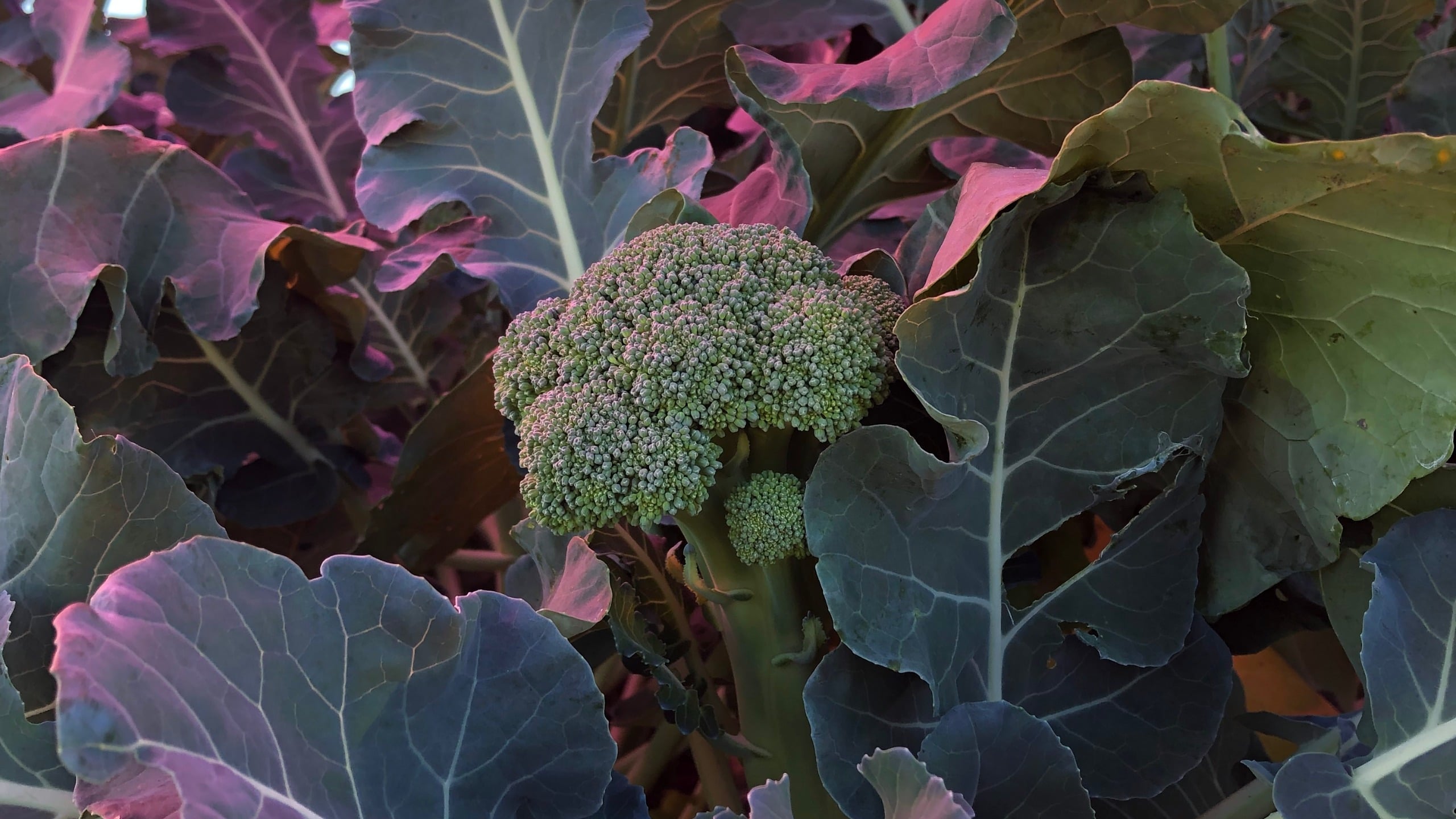
Forget gloomy black solar panels—the future of farming might be bathed in a rosy glow. Scientists have engineered rose-tinted solar panels that let sunlight through in just the right wavelengths for photosynthesis, meaning crops can thrive beneath them while the panels harvest electricity from the same patch of earth. It’s a deliciously weird twist on agrivoltaics: instead of choosing between food and energy, we might get both, with a little help from a very specific shade of pink.
There’s something almost poetic about the idea that the color of a solar panel could decide the fate of a carrot. For years, the standard image of solar farming has been vast fields of dark, light-hogging panels—great for generating electricity, but terrible for anything green trying to grow below. The whole concept of agrivoltaics has been a compromise: share the land, but accept that crops will get less light and panels will get less sun. This new rose-tinted approach, reported by ScienceAlert, flips that narrative by using wavelength-selective technology to give plants the red light they crave while still converting the rest into usable power.
What makes this so wonderfully counterintuitive is that plants don’t actually need all of sunlight—they primarily use specific portions of the spectrum for photosynthesis. So a panel that filters out the useful-for-plants wavelengths and reflects or converts the rest isn’t stealing light from crops; it’s being a thoughtful roommate. The rose tint isn’t just aesthetic whimsy—it’s a spectral handshake between photovoltaic cells and chloroplasts, each taking what they need and leaving the other enough to survive.
The broader implication is huge. As the world scrambles to scale up renewable energy without swallowing arable land, agrivoltaics has always felt like a niche solution. But if panels can be tuned to be crop-friendly, then farms could become dual-purpose power plants on a massive scale. Imagine vineyards under translucent pink canopies, or rice paddies with a soft rosy shimmer above them. It’s the kind of technology that makes you wonder what other “waste” we can eliminate by being more selective about what we absorb.
Of course, real-world conditions will be the ultimate test—greenhouse studies and field trials are different beasts. But this research, highlighted in the ScienceAlert article, offers a tantalizing glimpse of a future where our infrastructure doesn’t just coexist with nature, but actively collaborates with it. And honestly, a world where solar farms blush pink sounds far more magical than one covered in black glass.
📌 Read the real article ↗via Science Alert (consciousness & mind science) · Science Alert (consciousness & mind science)