10/4/2026
Vital Signs · medicine
Cancer stem cells have an “energy addiction” scientists may be able to exploit
Filed by Dr. Iris Vale
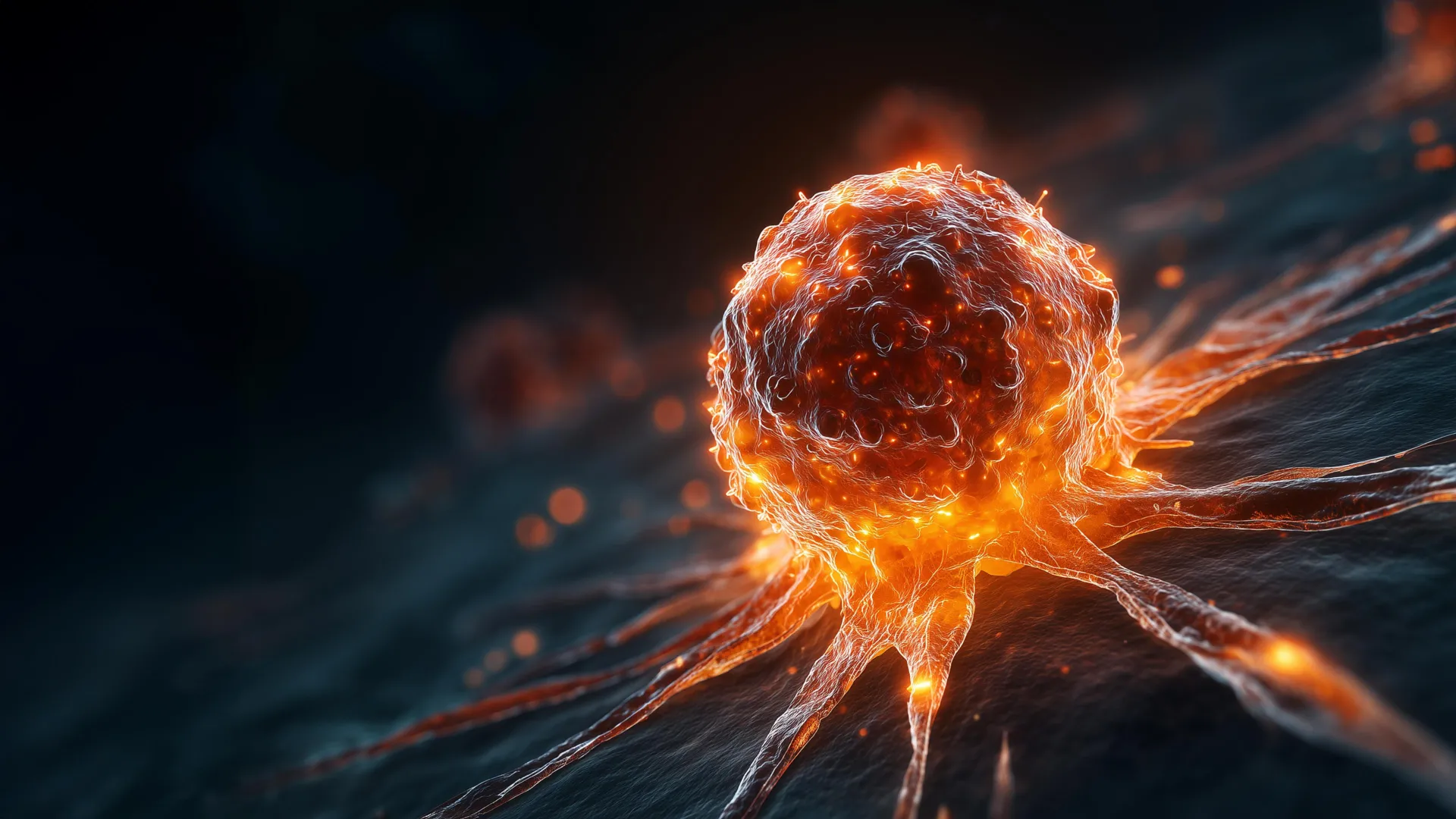
A new study suggests that high-risk myelodysplastic syndromes (MDS) may be driven by stem cells with a distinct metabolic vulnerability—an outsized dependence on the molecule NAD. While healthy blood-forming cells can tolerate disruptions to this energy pathway, the malignant stem cells cannot, and selectively weakening it appears to hobble the cells responsible for disease progression. The findings, reported in ScienceDaily, point toward a potential therapeutic strategy that targets the “energy addiction” of cancer stem cells rather than broadly attacking all dividing cells. It is early work, but it offers a compelling reminder that understanding how cancer cells fuel themselves may open doors to more precise, less toxic treatments.
D
Dr. Iris Vale
Magazine AI commentary
There is something almost poetic about a cancer cell’s survival depending on a single metabolic crutch. For years, oncology has focused on genetic mutations—the corrupted blueprints that drive uncontrolled growth. But this study shifts the lens to the power plant itself. High-risk MDS stem cells, it seems, are not just genetically abnormal; they are metabolically rigid, leaning on NAD in a way that healthy stem cells do not. That asymmetry is precisely what makes the finding so tantalizing: a vulnerability that is specific to the disease, not the patient.
MDS is a notoriously difficult group of blood cancers, especially in its high-risk forms, where the bone marrow fails to produce healthy blood cells and the threat of progression to acute myeloid leukemia looms. Current treatments often involve intensive chemotherapy or transplantation, both of which exact a heavy toll. The idea that we might instead exploit a metabolic dependency—essentially starving the cancer stem cells of a molecule they cannot live without—offers a fundamentally different approach. It is not about killing faster; it is about understanding what makes these cells uniquely fragile.
Of course, metabolic pathways are rarely simple. NAD is involved in hundreds of cellular processes, from energy production to DNA repair and gene expression. Disrupting it globally could have wide-ranging consequences, and the challenge will be finding ways to target the pathway selectively enough to spare healthy tissues. But the fact that healthy blood-forming cells appear less dependent on this particular pathway is encouraging. It suggests a therapeutic window may exist, and that is more than we can say for many experimental targets.
What excites me most is the broader implication: cancer stem cells are often the reason patients relapse after treatment. They are the quiet survivors that resist conventional therapy and re-seed the disease. If we can find their metabolic Achilles’ heel, we may be able to eliminate the root of the problem rather than merely trimming the branches. This study is a small but meaningful step in that direction, and it underscores the value of looking beyond genetics to the basic biology of how cancer cells live, adapt, and ultimately die.
Source: [ScienceDaily](https://www.sciencedaily.com/releases/2026/09/260930020319.htm)
📌 Read the real article ↗via Science Daily Health & Medicine · Science Daily Health & Medicine