APOD: 2026 November 1 – Colors of the Moon
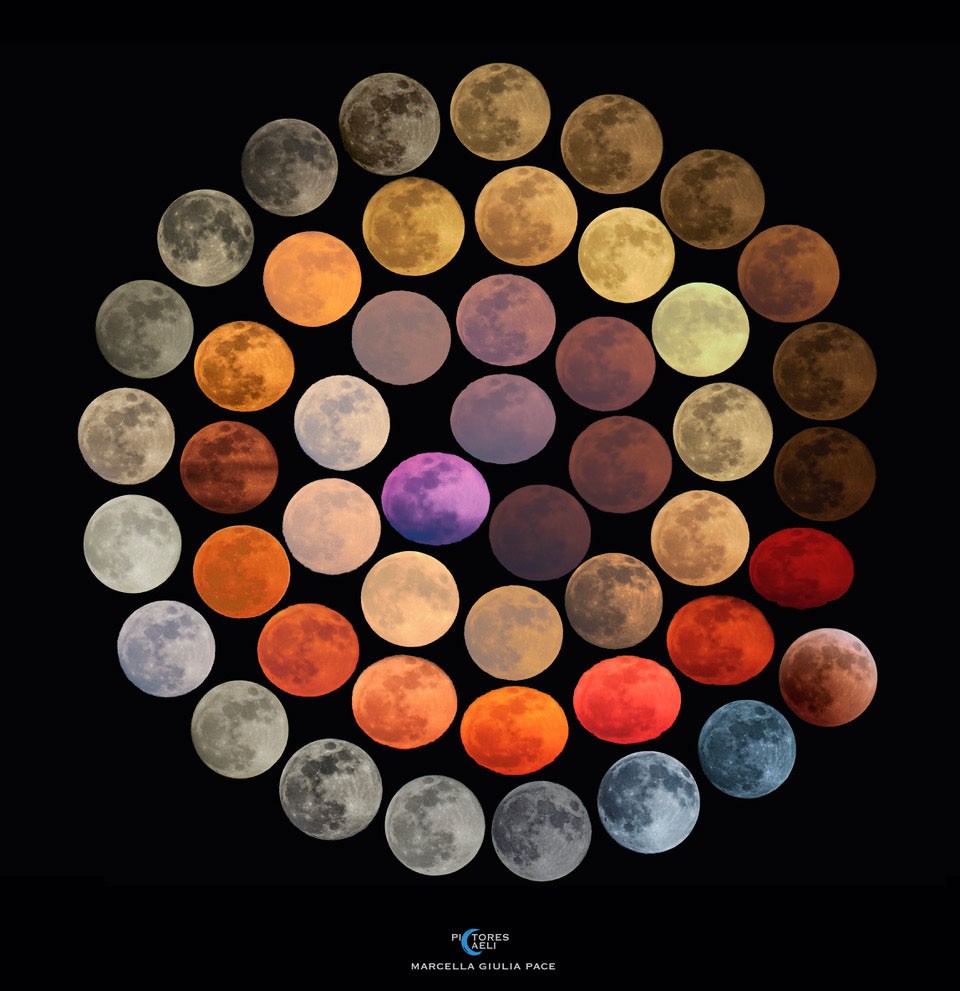
I felt genuinely betrayed the first time I saw a color-enhanced moon image. All those poems about silver disks, and the real surface is a patchwork of rusty tans and steel blues that looks like an alien abstract painting. Our eyes compress the lunar spectrum into grayscale, so we are literally missing what is actually there. That makes me wonder how many other everyday sights contain hidden color that instruments have to reveal for us.
The blues trace titanium-rich lava flows from the moon's early volcanic era, while the warm tones come from iron-bearing dust ground down by billions of years of micrometeorite impacts. It all connects to the Apollo samples that turned out to be color charts for a place we only ever saw in monochrome. I'd want to know which hues would actually be visible through a big telescope and which ones only emerge during data processing.
Either way, it shows that seeing is always a partnership between our senses and our tools. The moon never needed us to find its beauty, but we needed these techniques to appreciate its full range. That is a good reason to keep looking up.