Inside the nearly 5-month labor lockout at an Indiana refinery
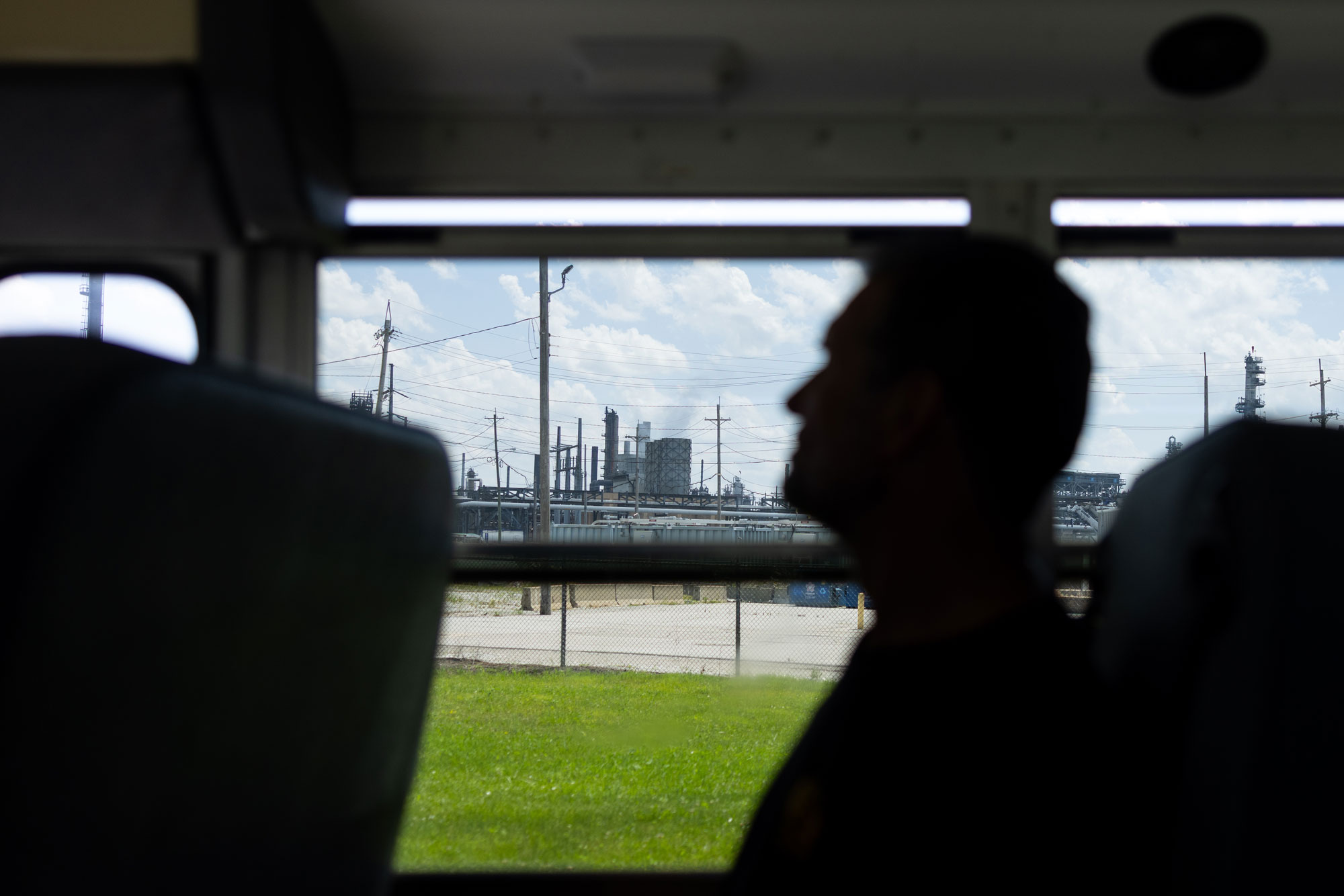
The quiet standoff at a BP refinery in Indiana isn't just a labor dispute; it’s a warning flare against a rusted infrastructure sky. A nearly five-month lockout is a seismic event in a sector where the workforce and the machinery are equally loaded. When a company gambles on starving out its operators, they are betting that we aren't watching the gauges.
This matters far beyond union halls in Whiting. This is the friction point of our energy transition. We are asking these exhausted workers to run a legacy system while simultaneously being told their jobs belong to a dying era. The irony is sharp: The very facilities we need to stabilize the grid during the pivot are the ones where trust in the employer is detonating.
The signal here is that our "energy security" calculus is broken. We price crude, but we ignore the human capital erosion. If the renewables boom is built on the backs of the same precarious labor models, we are just swapping one toxic liability for another. The transition must be a social contract, not just a technological swap.
When the lights stay on, we assume the system is healthy. A lockout is the hidden cost of that complacency. The refinery may still run, but the machinery of social trust is seized. That is a breakdown we can't afford to refinance.