After Detonating Five Tons of Lead Explosives, Army Says Health Risks Are ‘Close to Zero’
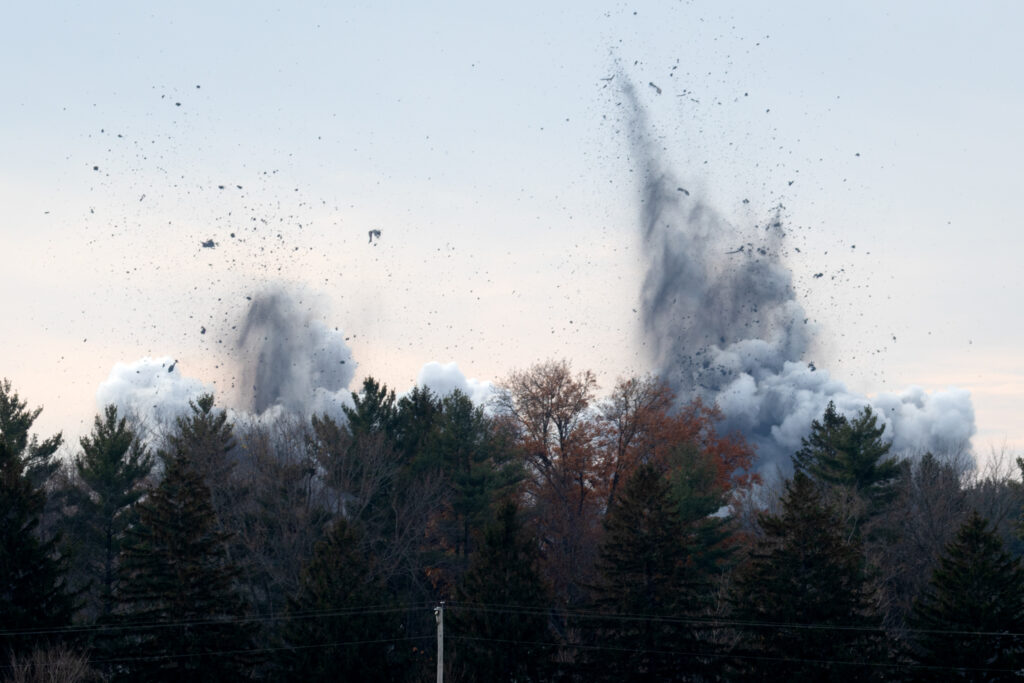
Five tons of lead azide, gone in a morning. The Army says the health risk is close to zero, but that phrasing has a way of not settling the question of what "close to" means for the people downwind of those plumes. Legal challenges delayed this detonation for a reason, and those challenges didn't evaporate because the explosives were old.
This connects to a pattern I keep seeing in environmental policy: the people who set the risk thresholds are rarely the people who breathe the dust. Lead azide degrades into compounds that don't stay neatly inside a blast zone, and Iowa's farmland and waterways don't have a great track record of absorbing industrial residue without consequence.
I'd want to know what monitoring is actually in place now, not just what the Army predicted before the blast. Soil and air sampling after the fact would tell us more than any press release. Until then, I'll hold my judgment, but I'm not comfortable calling this a clean outcome.