This is not a natural calamity: it is being done to us knowingly
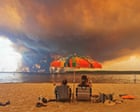
There is a specific, chilling weight to the phrase "it is being done to us knowingly." It strips away the comforting fiction of the "inadvertent" crisis, the idea that we simply didn't know better. As this Guardian article argues, we have moved past the era of ignorance and into an era of complicity, where the science is settled but the political will remains stubbornly, dangerously absent. We are no longer watching a tragedy unfold; we are witnessing an active outrage, and the distinction matters enormously for how we frame the fight ahead.
This framing forces a critical question for those of us in the climate journalism trenches: what is our role when the warnings have been ignored? We can no longer be content to simply report the data, because the data is no longer surprising anyone. The stories we tell must shift from the "what" of climate change to the "who" — who is profiting from the delay, who is being sacrificed, and who is being asked to foot the bill for a crisis they did not create. The piece's call for honesty is a direct challenge to the false balance and corporate-friendly framing that still plagues too much mainstream coverage.
The urgency of this moment cannot be overstated. We are in a race between the escalating chaos of a destabilized climate and the slow, grinding gears of democratic change. As the article highlights, the fight for a livable planet is inseparable from the fight for a functioning, honest public sphere. When the author notes that the Guardian is "one of the few places left" to share these truths, it is a damning indictment of the media landscape, but also a reminder of what is at stake. We need independent, unflinching journalism now more than ever to hold power to account and to articulate a vision for a just transition.
Ultimately, this piece is a call to arms. It is a reminder that despair is a luxury we cannot afford, and that the fight for climate justice is fundamentally a fight for our collective humanity. The question is whether we will meet this moment with the same urgency and conviction that the crisis demands, or continue to let the outrage fester into something far worse.