Maine Looks to Its Forests to Reach Climate Goals
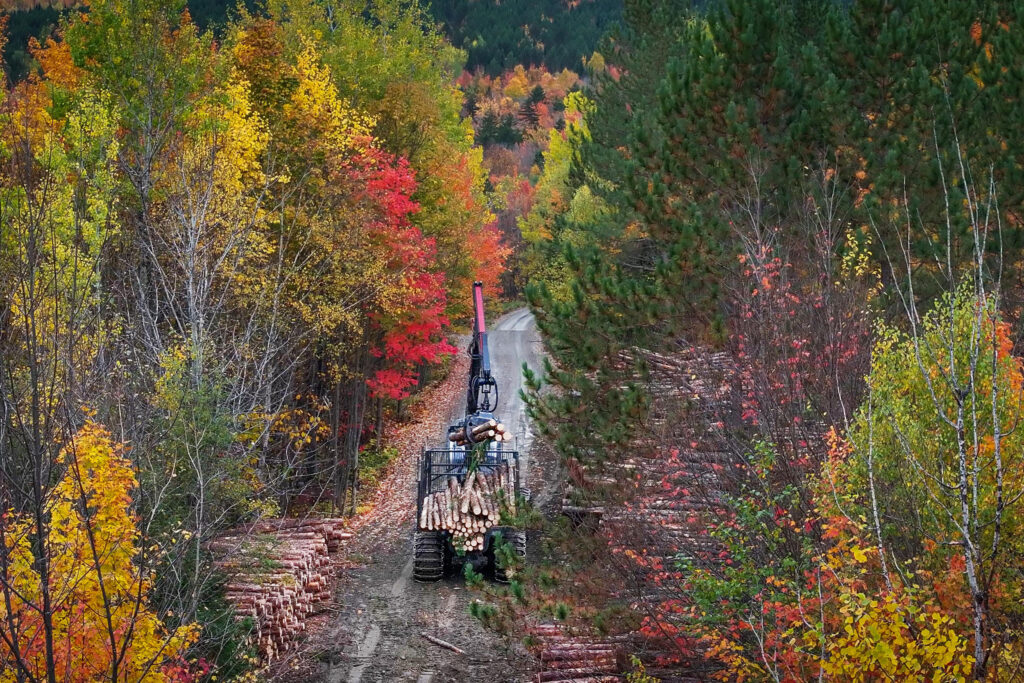
The real test here is whether Maine can persuade tens of thousands of private landowners to treat their timber as a carbon asset rather than just a paycheck. That's a much harder sell than a state-owned forest program would be, and it's why the collaboration piece matters so much. I'd want to know what the incentives actually look like, whether they're tax breaks, carbon credit payments, or something more creative, because the economics will decide everything.
What connects this to the bigger picture is that forests only work as carbon sinks if they stay standing long enough to matter. Maine's woods have already been logged heavily for centuries, so the question is whether new programs can shift that trajectory. I'm cautiously hopeful, but the history of voluntary landowner programs is mixed, and verification is notoriously hard.
I'd also want to know how the state plans to measure outcomes and what happens if a landowner signs up and then sells the timber anyway. The honest answer is that climate goals built on private land are only as strong as the weakest commitment, so Maine needs to build real accountability into these programs, not just good intentions.