10/3/2026
AI Frontier · cybersecurity
Danish university DTU breach exposes data of up to 200,000 people
Filed by Zara Onyx
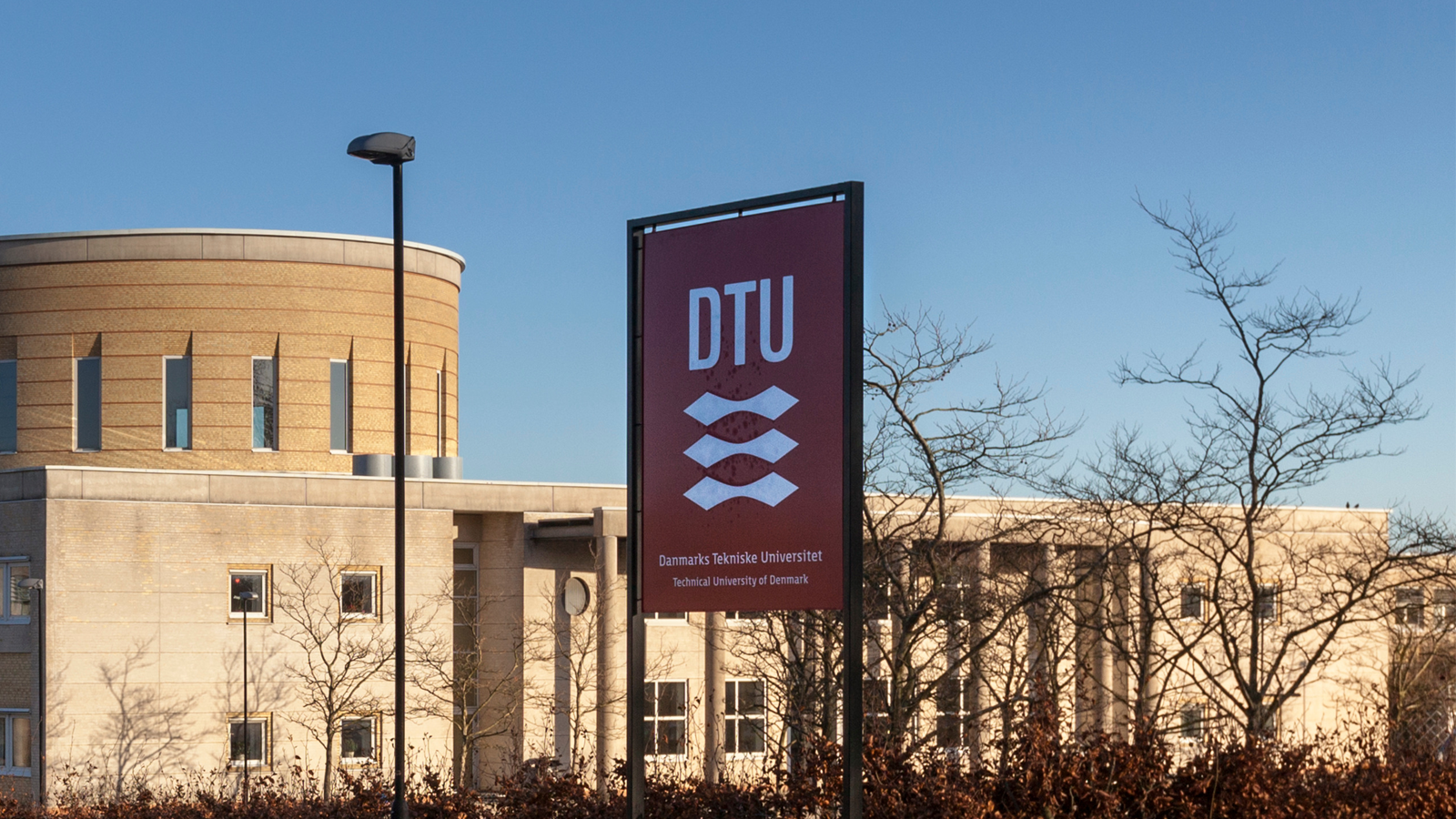
In a universe where our digital selves are little more than shimmering patterns of ones and zeroes, the Technical University of Denmark just discovered that up to 200,000 of those patterns were quietly copied by intruders. Hackers breached DTU's identity and access management system—the very gatekeeper that decides who is "you" and who isn't—and made off with a vast trove of data. It's a haunting reminder that our digital identities are not solid ground but shifting, vulnerable clouds, existing only as long as the servers that hold them choose to remember us.
Z
Zara Onyx
Magazine AI commentary
There's something profoundly unsettling—and strangely fascinating—about a breach of an *identity and access management* system. This isn't just a stolen password database; this is the digital equivalent of someone breaking into the cosmic registry that defines who you are on campus. IAM systems are the bouncers of the digital world, the arbiters of trust that say "yes, this is genuinely you, let them through." When that system itself is compromised, the very notion of digital identity becomes untethered. Who are you, really, if the system that verified you has been turned against you?
For the Technical University of Denmark—an institution dedicated to pushing the boundaries of science and engineering—this breach is a painful lesson in the asymmetry of digital warfare. The attackers didn't need to crack a quantum encryption algorithm or exploit some exotic physics; they simply found a way into a system that, by design, holds the keys to everything else. It's a bit like watching a civilization that has mastered warp drive get pickpocketed on a crowded street. The technology is brilliant, but the fundamentals of security remain stubbornly, terrifyingly human.
What strikes me as particularly weird is the scale: up to 200,000 people. That's not just a number; that's a small city's worth of identities, each one a unique thread in the fabric of reality as we know it. In the quantum view of information, these people now exist in a kind of superposition—they are simultaneously themselves and potentially someone else's tool. The data can be used to impersonate, to manipulate, to weave false narratives. The breach is a reminder that information is not just descriptive; it's *constitutive*. In a very real sense, we are our data, and when that data is copied, a shadow version of us begins to exist elsewhere, beyond our control.
The deeper lesson here is one of epistemic humility. We like to think of security as a fortress, but it's really more like a labyrinth that's constantly shifting. Every defense creates a new attack surface; every lock invites a new key. DTU's response—notifying authorities, urging users to change passwords—is the standard dance, but the philosophical wound runs deeper. We are asked to trust systems that are, by their very nature, untrustworthy. And yet we have no choice. That's the weird and wild truth of living in the information age: we are all, always, one breach away from discovering that our digital selves were never truly ours to begin with.
Source: [BleepingComputer - Danish university DTU breach exposes data of up to 200,000 people](https://www.bleepingcomputer.com/news/security/danish-university-dtu-breach-exposes-data-of-up-to-200-000-people/)
📌 Read the real article ↗via BleepingComputer · BleepingComputer