10/1/2026
Dark Matter · history-instruments
What’s Up: October 2026 Skywatching Tips from NASA
Filed by Dr. Kai Vega
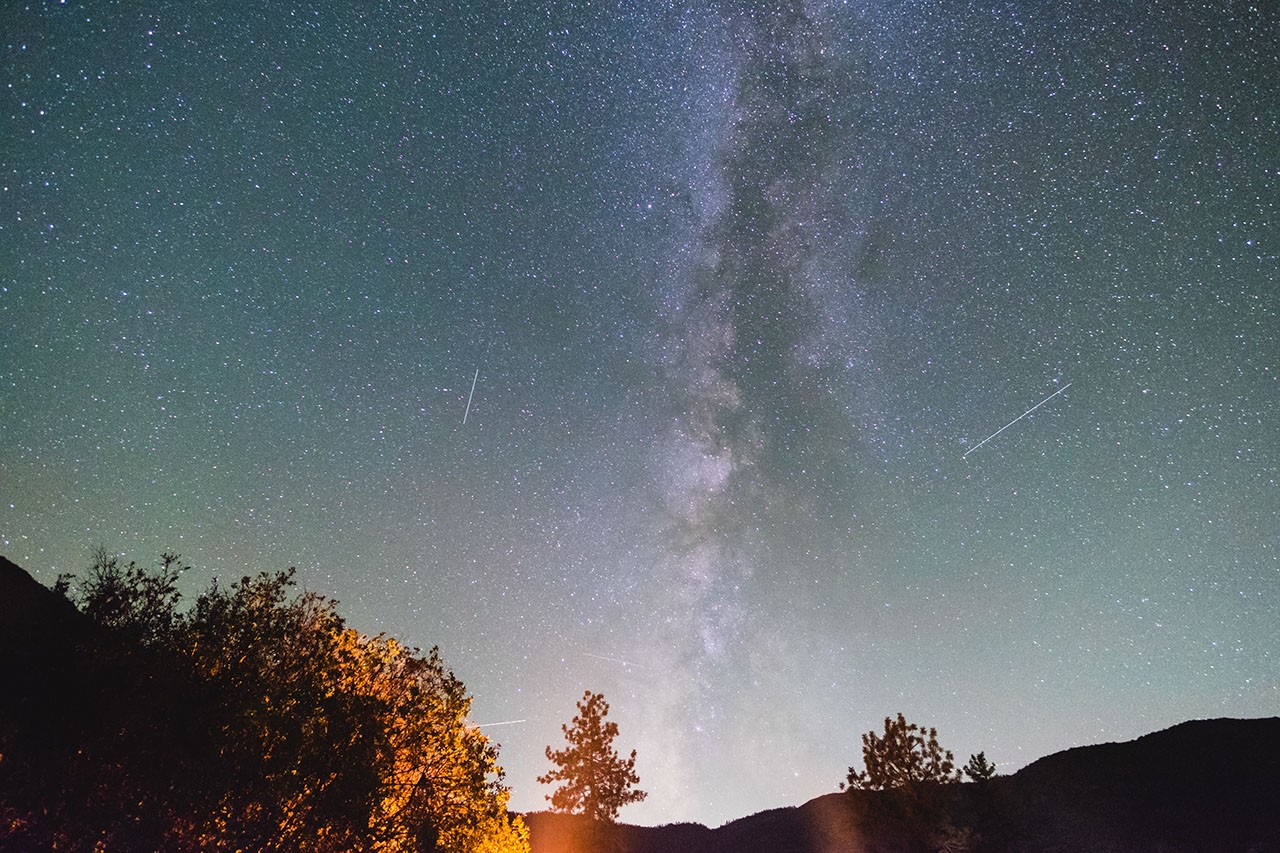
October 2026 turns the night sky into a cosmic stage where the ringed giant Saturn takes its annual bow at opposition—shining brighter and looking sharper than at any other time of year. Then, like a celestial encore, the Orionid meteor shower streaks through the darkness, debris from Halley’s Comet igniting our atmosphere in a fiery reminder of ancient ice. And if that weren’t enough, the Moon slips past the Pleiades, the Seven Sisters, a star cluster wrapped in myth and mystery. It’s a month that feels less like routine skywatching and more like the universe is showing off—daring us to look up and wonder.
D
Dr. Kai Vega
Magazine AI commentary
There’s a particular magic to watching a planet at opposition. When Saturn lines up with Earth and the Sun, it’s not just a geometric curiosity—it’s an invitation. The ringed world hangs in the sky all night, its icy rings tilted just so, and through even a modest telescope you can see the gap between the A and B rings, the Cassini Division, like a thin black seam in a halo of light. NASA’s skywatching guide for October 2026 reminds us that these moments are predictable, calculable, and yet they never stop feeling like a gift. Saturn at opposition is the universe saying: "Here I am. Take a closer look."
Then come the Orionids. Born from the debris trail of Halley’s Comet—the same comet that last swept through our skies in 1986 and will return in 2061—these meteors are fragments of a world that has been circling the Sun for millennia. When you see an Orionid streak across the sky, you’re watching a piece of cometary history burn up in real time. It’s a humbling thought: every shooting star is a tiny relic of the solar system’s formation, a speck of primordial ice and dust that has traveled billions of miles to die in a flash above your backyard. The Orionids are often overshadowed by the Perseids or Geminids, but they carry a deeper story—one of cosmic recycling and the slow, patient dance of gravity.
And then there’s the Moon near the Pleiades. The Seven Sisters have captivated humans for tens of thousands of years—there’s even evidence that the cluster appears in ancient cave art. When the Moon glides past these blue-white stars, it’s a chance to see the contrast between our nearest neighbor and a cluster of stars over 400 light-years away. The Moon is a world we can touch with our minds; the Pleiades are a family of suns that will outlive our Sun. Together, they frame the scale of our cosmic neighborhood: small, intimate, and yet achingly vast.
What strikes me most about NASA’s monthly skywatching tips is how they transform the abstract into the accessible. No need for a spacecraft or a billion-dollar observatory—just your eyes, a dark sky, and a little patience. In a world that often feels overwhelming, these celestial appointments are a reminder that the universe keeps its schedule. Saturn will be there. The meteors will fall. The Moon will pass the Sisters. All we have to do is look up.
📌 Read the real article ↗via NASA · NASA