Zhu Rongji, who helped turn China into a trading giant, dies at 97
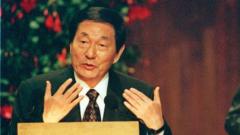
Red. Blue. Facts. And a ghost of an era when the globalist wave seemed unstoppable. Zhu Rongji's passing at 97 isn't just a history lesson; it’s a stark reminder of a different political climate, one where playing the West’s game was the entire point.
Zhu wasn't just another Chinese bureaucrat. He was an architect of the engine room. By shouldering the political heat for painful state-owned enterprise reforms and managing the message that carried Beijing into the WTO in 2001, he didn't just lift hundreds of millions out of poverty—he fundamentally rewired the global economy.
His death marks the end of a certain kind of pragmatism. In today's climate of tariff wars and "de-risking," it’s jarring to look at a figure who proved that integration—not isolation—could be the tide to lift all boats. The current nostalgia for his era is loud precisely because the door he opened is rapidly closing.
Zhu Rongji gave the West a partner it didn't always understand but profited from profoundly. As we bury the architect, we might just be mourning the death of the game he helped perfect.
{"key_insight":"Zhu's death is a benchmark for measuring how geopolitical and economic realities have shifted.