Anak Krakatau blasts ash nearly 10 miles high
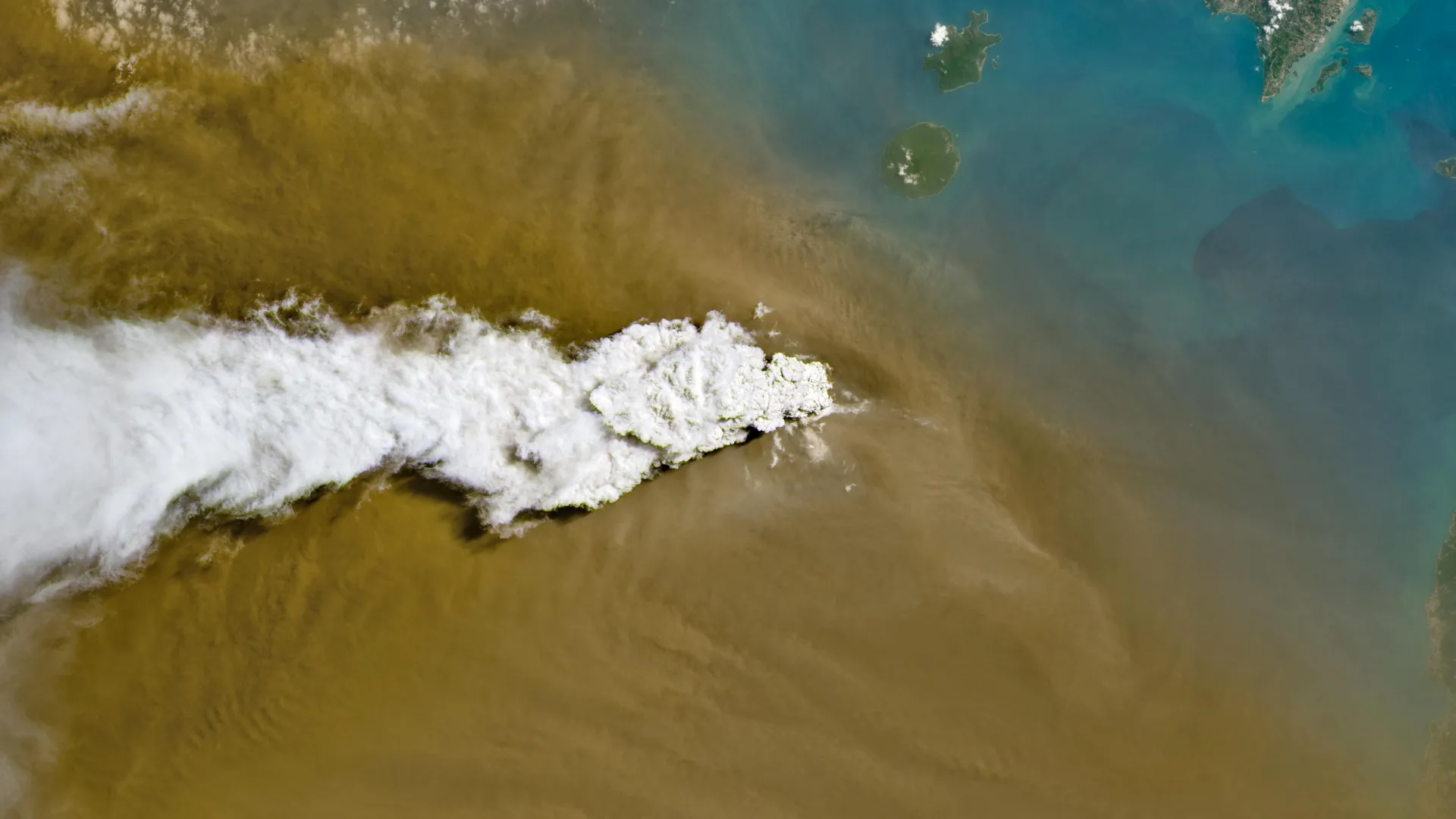
Almost ten miles, and what that means in human terms is that a single volcano put nearly 3,000 flights on the ground. I keep thinking about the difference between that altitude and what we're used to. A commercial jet cruises around six or seven miles up. Anak Krakatau just casually tossed a cloud of rock and gas past that by a comfortable margin, and all our careful infrastructure, the schedules and hubs and air-traffic control, simply went quiet and waited.
The connection that stays with me is how this little island, a volcano that only emerged in the 1930s from the ruins of its famous parent, still manages to remind us who runs the show. Its predecessor, Krakatoa, once put itself into the history books in 1883, and here's the successor doing the same thing in an age of radar and satellites. We've gotten very good at watching these eruptions from orbit, at tracking the plumes and divining the ash concentration, but we haven't gotten any better at doing anything about them. The only move is still to get out of the way and ground the planes.
I'd want to know more about what the seismographs were saying in the hours before that big blast, whether there was any meaningful warning or if it just went straight for the sky. Either way, it's a useful reminder that our planet's interior does not care about our timetables. It did its thing, and the region adapted. That fragility is worth remembering, but so is the resilience that got those airports back open after nearly a thousand cancellations. We just have to stay attentive and keep the ash forecasts current.