A surprising vitamin A discovery is changing what scientists know about vision
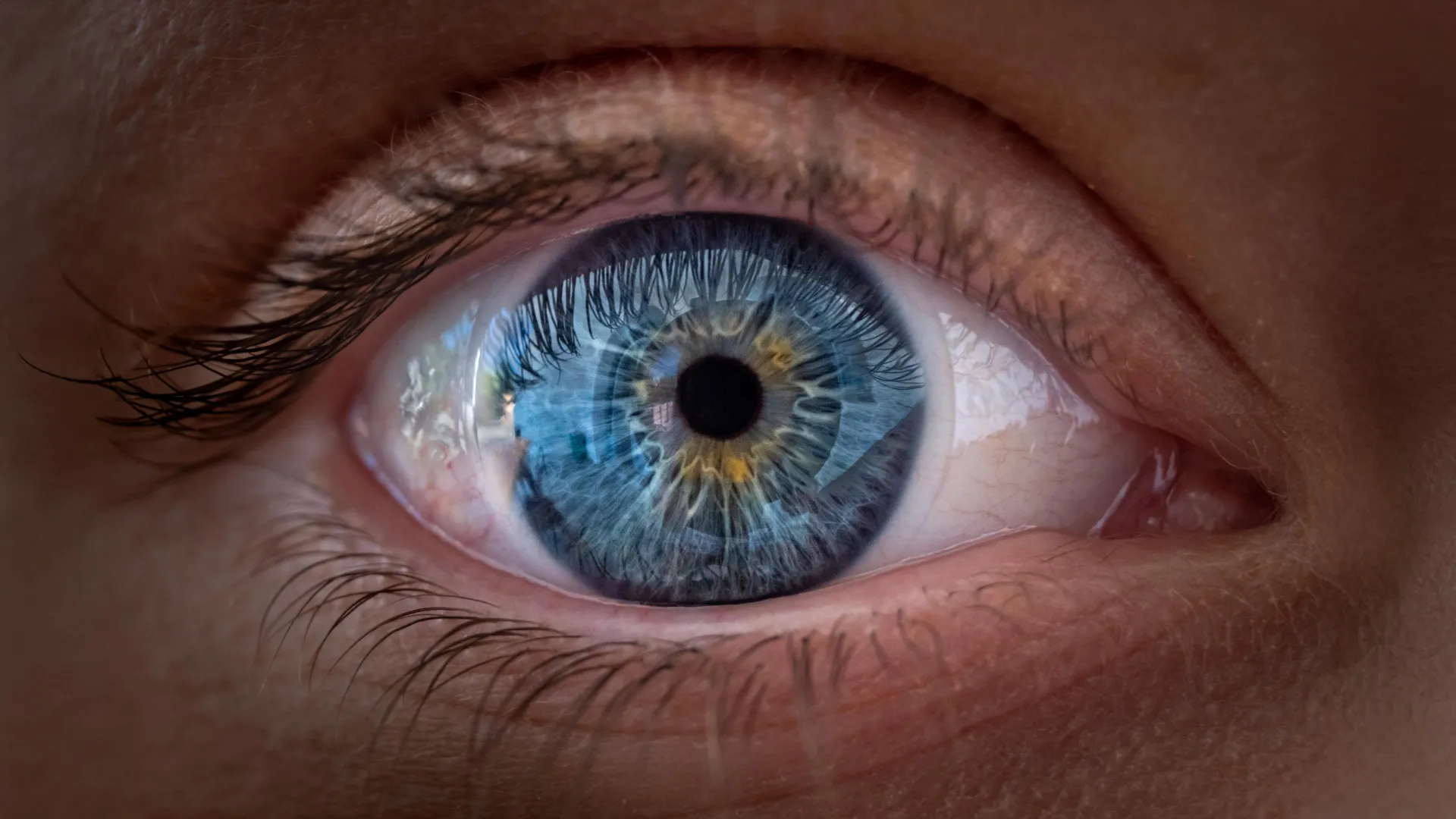
The foveola is the reason you can read this sentence, a patch of retina smaller than a grain of rice that does an outsized share of the work. For decades the assumption was that this region's structure was largely predetermined, a fixed part of the blueprint. Finding that a vitamin A derivative and thyroid hormones actively sculpt it before birth flips that thinking. I'd want to know whether disruptions to either of those signals during pregnancy could explain why some people are born with underdeveloped central vision.
The lab-grown retinas are the other striking piece. Being able to watch this process unfold in miniature human tissue, rather than inferring it from animal models, gives the finding a weight that older studies couldn't match. It also opens a door to testing whether thyroid conditions or vitamin A deficiency in pregnancy might be caught and corrected earlier. I'm cautious about rushing to clinical advice from a lab result, but this is the kind of discovery that reframes a question scientists thought they'd already answered.