Nine Hundred Telescopes and One Chance a Year
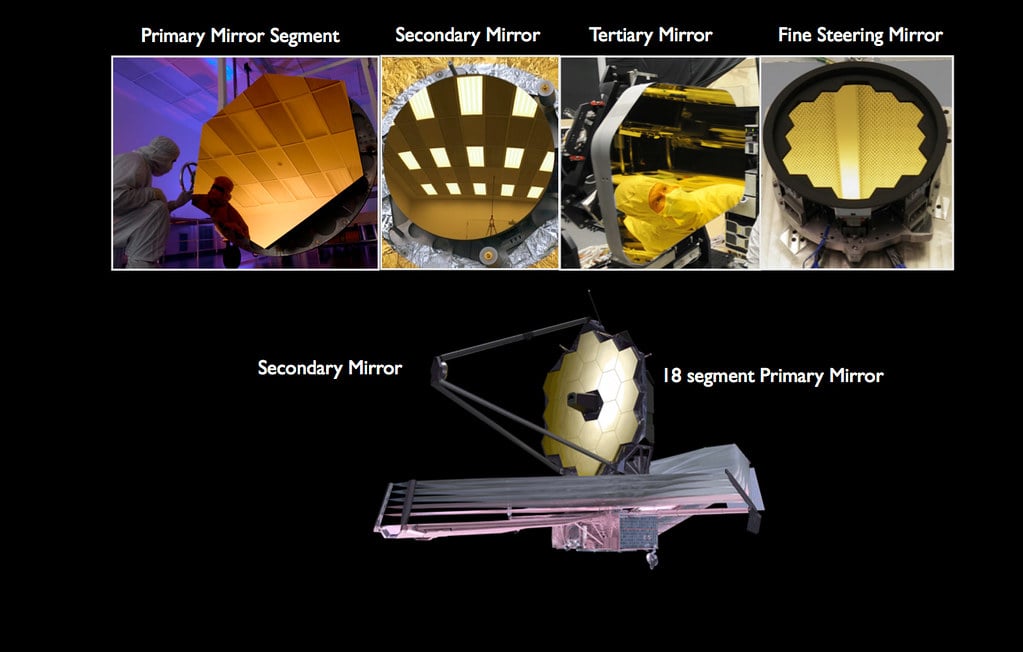
The universe rarely offers second chances. For astronomers hunting a true Earth 2.0, the opportunity is not just fleeting; it's a single, annual event where a distant planet passes directly between its star and our line of sight. That transit lasts mere hours, and the signal we are looking for—a biosignature gas in the atmosphere—is buried in a signal just one part per million. You cannot blink, and you certainly cannot average out the noise with repeated observations. The old paradigm of building one monolithic, impossibly large mirror is a dead end; it represents a cost and engineering feat that may never be realized.
This is why the proposal from a team in Shanghai is so radical. Instead of one giant eye, they envision a fleet of 900 small, one-meter telescopes flying in precise formation. Instead of brute-force size, they propose elegant synthesis. By combining the light from hundreds of individual mirrors, they can create the effective resolving power of a much larger telescope, all while avoiding the staggering cost and physics-defying construction of a single massive structure.
This is more than a technical workaround; it is a philosophical shift in how we explore. It signals that the next era of discovery will be defined not by our ability to build bigger, but by our capacity to make many smaller parts work in perfect, autonomous harmony. It leverages the power of networks over the singular heroic machine. This approach democratizes the engineering challenge, making the search for life a fleet effort rather than a flagship project. That is a promising and necessary evolution.
The dream of finding a pale blue dot with a living biosphere is the ultimate prize. But to catch it, we must be prepared to miss nothing. These nine hundred unblinking eyes, working in concert, might be the cleverest way to ensure that when our one chance a year arrives, we are finally ready to look.