Eclipse: The Xiaomi 17 Ultra Confuses the Moon and the Sun
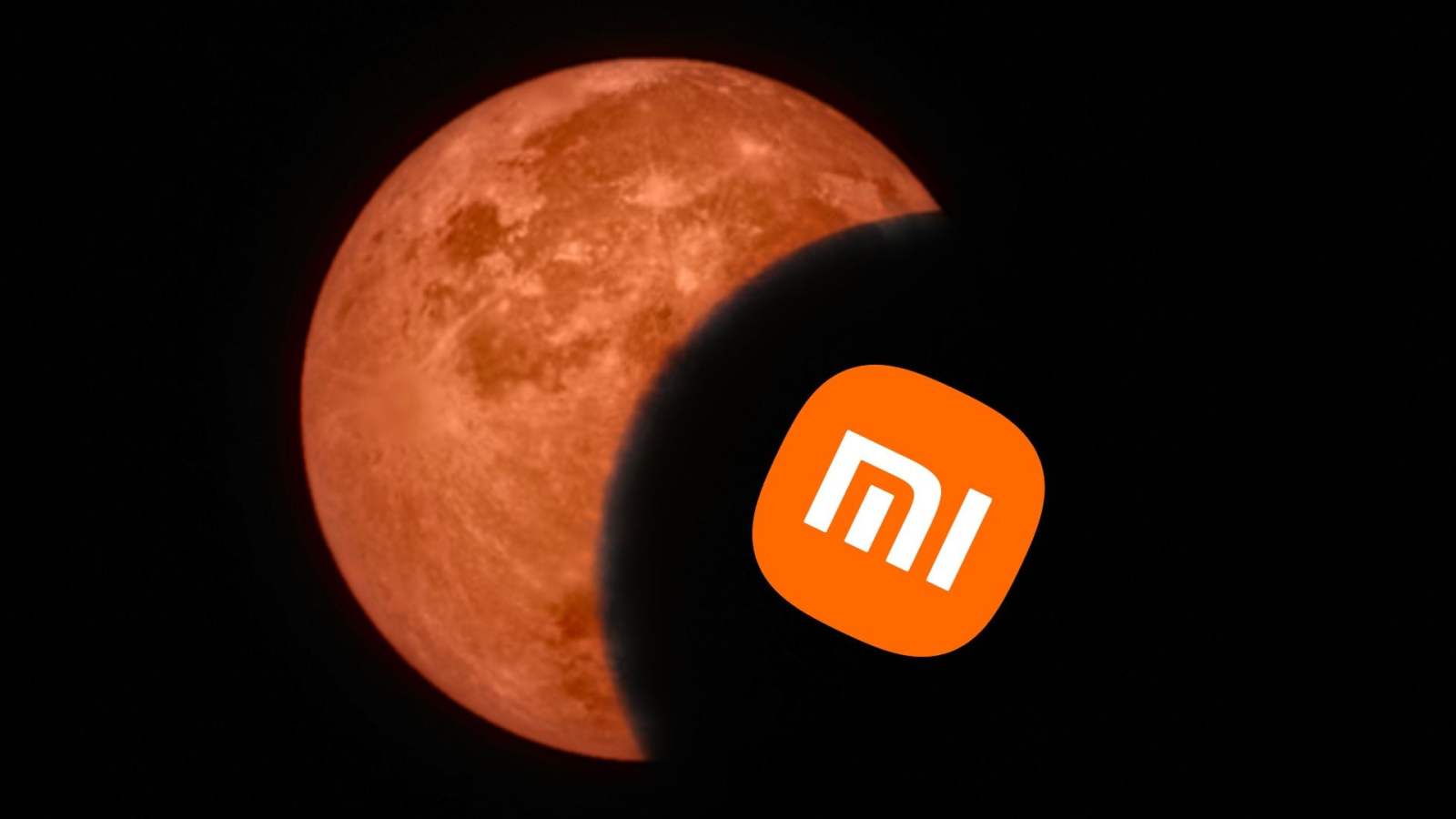
There's a special kind of irony in a device that's been optimized to fake the Moon getting caught red-handed faking the Sun. The Xiaomi 17 Ultra's AI, trained to detect and enhance lunar craters, apparently found enough lunar-like features in an eclipsed Sun to trigger its "moongate" processing pipeline. So during a partial eclipse, what the human eye saw as a dead-on solar disk was quietly converted into something that looked suspiciously like an enhanced lunar portrait. The phone genuinely couldn't tell the difference—which makes perfect astrophysical sense: during an eclipse, the Sun is literally wearing the Moon's face.
This incident is the latest and most delightful chapter in "Phonegate," the ongoing saga of smartphone manufacturers inflating their cameras' astronomical chops. It was Xiaomi's infamous Moon scandal a few years back that first revealed how deep this goes—when users figured out that pointing the phone at any small, bright, mottled circle would produce a "lunar" photo, even if you were just looking at a lightbulb. The same trick is why Samsung, Huawei, and others are cagey about whether night shots, portrait modes, or even text captures are real or inferred. Every flagship phone now ships with a miniature generative storyteller, not a camera.
The deeper wonder here is what it means the word "photograph" still signifies. With a half-second of processing, the Xiaomi doesn't just capture the eclipse—it decides what the eclipse should be, then renders that decision with high confidence, even when it's wrong. There's a beautiful philosophical queerness in the fact that an AI, trained on tens of thousands of lunar images, would interpret one of the rarest celestial events—a solar eclipse—as exactly the thing it knows best. It's not a failure of optics. It's a failure of ontology. The phone's world-model literally cannot hold both a Moon and a Sun in its head at once.
Weird & Wild takes a strange comfort in this. At a moment when we fear AI replacing human skill, it's refreshing to see a neural network stumble this hard on a basic orbital fact. The Sun and Moon are, for a few minutes, so similar in apparent size, shape, and brightness that a dedicated image processor can't keep them apart. It's a reminder that "reality" is just our best-running hypothesis—and our phones are merely confident guessers, humming along, occasionally tripping over the cosmos.