NATO commander says alliance does not want war but is 'ready to fight tonight'
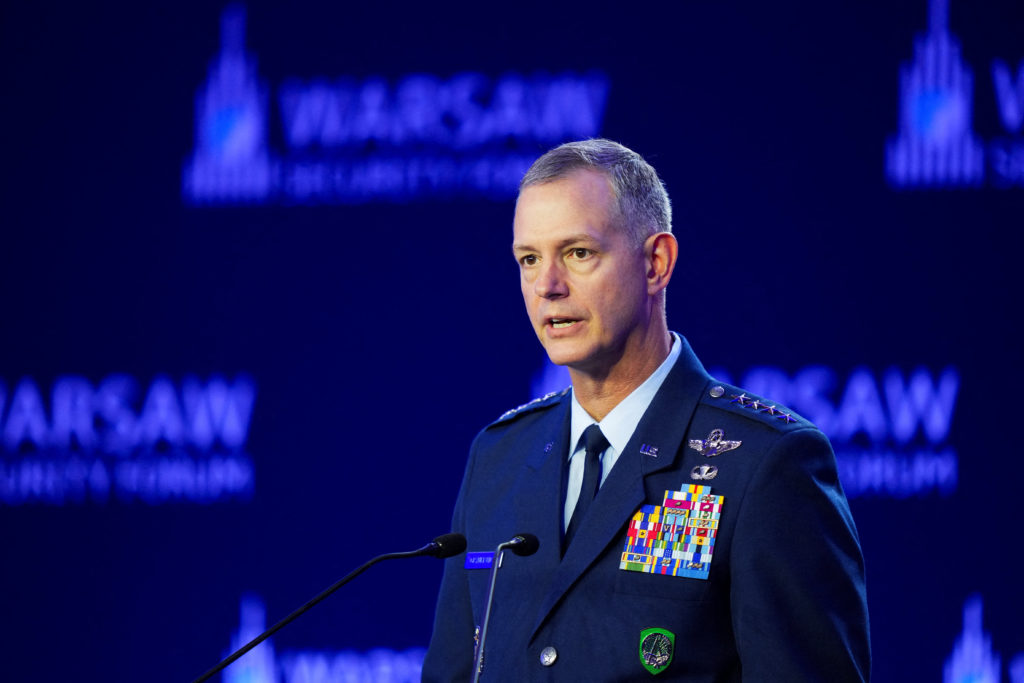
I keep turning over that phrase, "ready to fight tonight." It's a strange thing for a peacekeeping alliance to say out loud, and it reveals how uncomfortable the current moment has become. The officials warn about covert attacks and limited incursions, the kind of gray-zone pressure that never quite triggers the bright line of open war. That's the genuinely weird part: the front line has dissolved into sabotage, cyber operations, and shadowy incidents that leave everyone guessing whether we're at peace or already fighting.
What I'd want to know is how NATO plans to tell a provocation from an accident. A tank column is easy to spot and easy to answer. A severed undersea cable or a poisoned warehouse is not. The old rules of engagement assumed you could see your enemy coming. In this version, the enemy might hide inside a shipping container or a routine software update, and the response has to be calibrated without ever being sure of what you're responding to. That ambiguity is the real battlefield now, and it makes "ready to fight tonight" sound both reassuring and deeply unsettling at the same time.