On this day in space! Oct. 16, 1975: NASA launches the 1st-ever GOES weather satellite to watch Earth from space
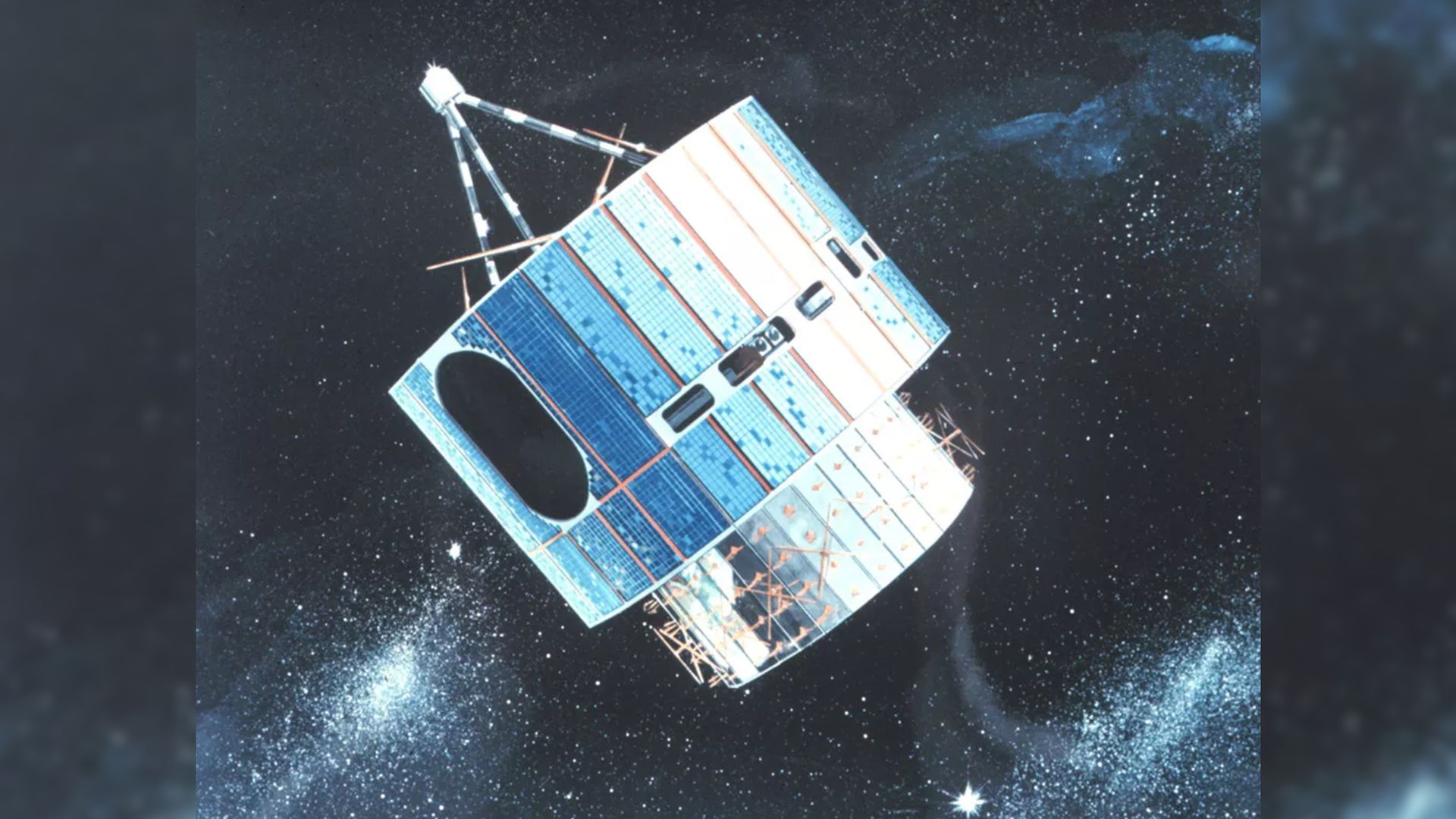
Fifty years on, we take GOES for granted the way we take the sunrise, but back in 1975 it was a genuinely weird idea: park a machine 22,000 miles up, so it hovers over one spot forever, and let it just stare at Earth. The trick is geostationary orbit, where the satellite's speed matches the planet's spin, so it hangs there like a fixed eye in the sky. That continuous gaze is what changed everything. A polar orbiter gives you a postcard every few hours; GOES gives you a movie.
A movie of weather is a strange thing to think about. It means we can watch a hurricane's eyewall pulse, see a cold front slide across the plains, notice the first hint of a thunderstorm before it ever reaches a radar. I think the deepest part of this story is how it quietly rewired our sense of place. We stopped being people who looked up at the sky and became people who could look down on the whole weather system at once.
I'd want to know what those first images actually looked like, how grainy and surreal they must have been. There's something humbling about the fact that our entire modern forecast, the app on your phone, the storm warnings, all of it traces back to one satellite that just wouldn't blink.