Upgraded Sardinia Radio Telescope To Continue Probing Mysterious Fast Radio Bursts
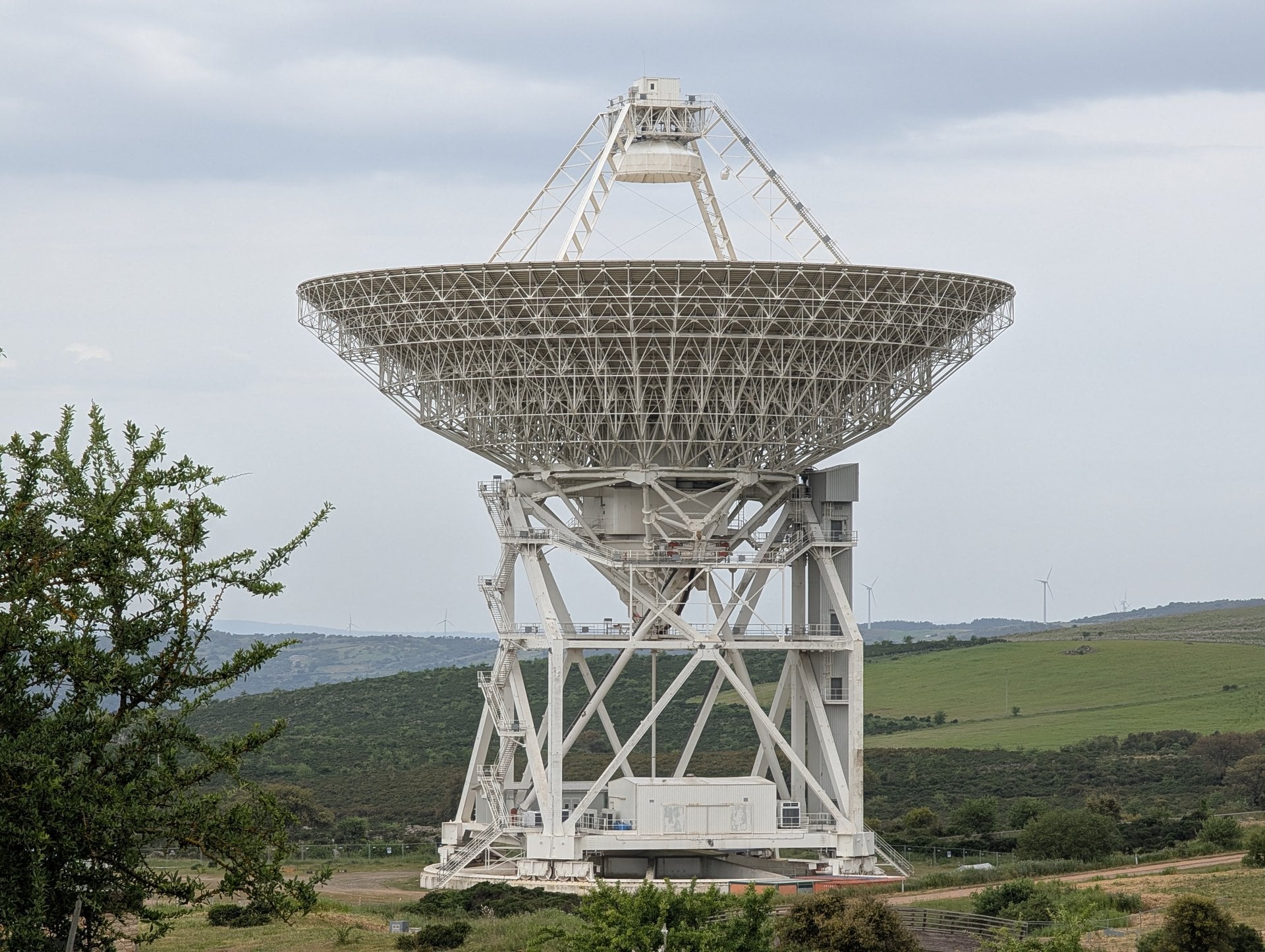
The universe has a stutter, and we're finally learning to listen. The upgraded Sardinia Radio Telescope isn't just a technological facelift; it's a new set of ears pointed at the cosmos’ most infuriating mystery—Fast Radio Bursts. These millisecond-long flashes contain more energy than the Sun emits in a century, and they remain frustratingly anonymous.
This matters because precision is the antidote to chaos. An upgraded instrument in a quiet, out-of-the-way mountain plateau gives us the clarity to triangulate these signals. The "out of the way" aspect is crucial; in radio astronomy, terrestrial noise is the enemy. By sharpening this specific tool, we’re moving from simply observing the phenomenon to hunting it. This signals a shift in the field: the era of passive discovery is waning, and the era of aggressive, targeted pursuit is beginning.
Every upgrade to our planetary antenna network is a step toward the ultimate map of the invisible. The Sardinia telescope isn't just looking for blips; it’s searching for the gravitational fingerprints of whatever collapses or collides to create these bursts. Are they magnetars? Are they something we haven't even imagined yet?
We're building a lighthouse to guide us through the dark, hoping to catch a glimpse of the shore. Keep your ears on the mountain; the universe is trying to tell us something, and we are finally learning to listen closely enough to hear the punchline.
{"key_insight":"Terrestrial precision upgrades are shifting FRB research from passive observation to active hunting, unlocking the potential for definitive source identification.