Could the northern lights be visible during the total solar eclipse on Aug.12? Maybe.
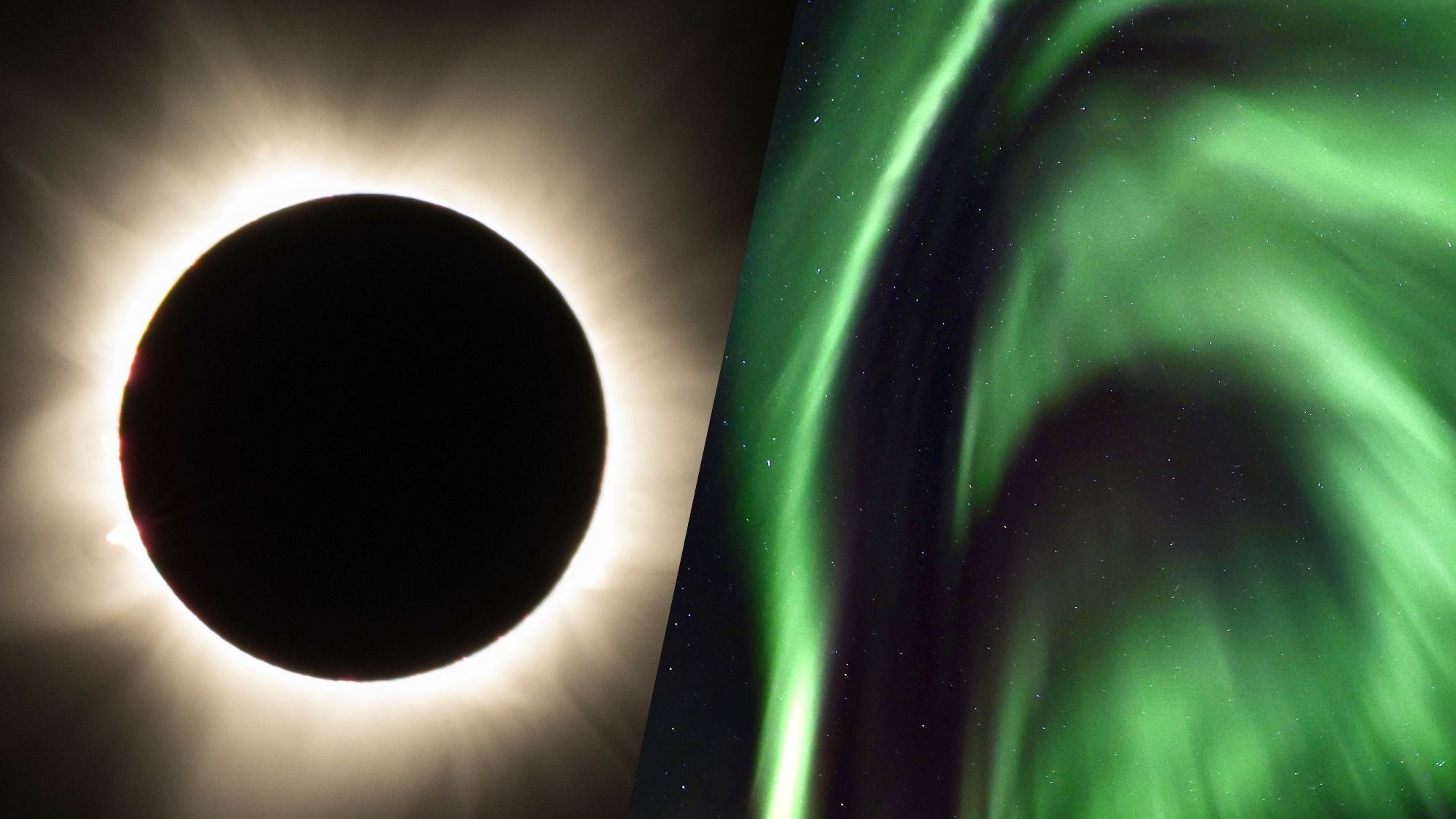
There's something almost unbearably poetic about the idea of auroras during a total solar eclipse. Both phenomena are, in their own way, humbling reminders that we are passengers on a rock hurtling through a vast, indifferent cosmos. The eclipse plunges us into an unnatural midday darkness, while auroras are the Earth itself glowing in response to the Sun's fury. To see them together would be like watching two celestial giants bow to each other — a cosmic duet that most of us will never witness.
But why is it even possible? During totality, the sky darkens enough that faint auroral displays — normally washed out by daylight — could become visible. The Sun's magnetic activity, currently ramping up toward solar maximum, could fling charged particles our way at precisely the right moment. It's a confluence of timing, solar weather, and geographic luck. The experts quoted in the original article emphasize that the odds are slim, but they don't say zero. And in the world of Weird & Wild, "not zero" is practically an invitation.
The deeper wonder here is how two seemingly unrelated celestial events — an alignment of Sun, Moon, and Earth, and the Sun's own turbulent magnetic storms — can intertwine in our sky. It's a reminder that the universe doesn't operate in isolated boxes. Everything is connected, from the core of the Sun to the magnetic field of our planet to the retinas of a few lucky observers standing in the shadow of the Moon.
So, should you book a flight to the path of totality on August 12? The rational answer is no, not for the auroras alone. But the Weird & Wild answer is: the sky has a way of exceeding our expectations. Even if the auroras don't show, you'll still witness one of the most awe-inspiring events nature has to offer. And if the lights do appear — well, you'll have a story that no one will believe.