A Gene Inherited From Neanderthals Is Still Shaping Human Brains – And May Affect Schizophrenia Risk
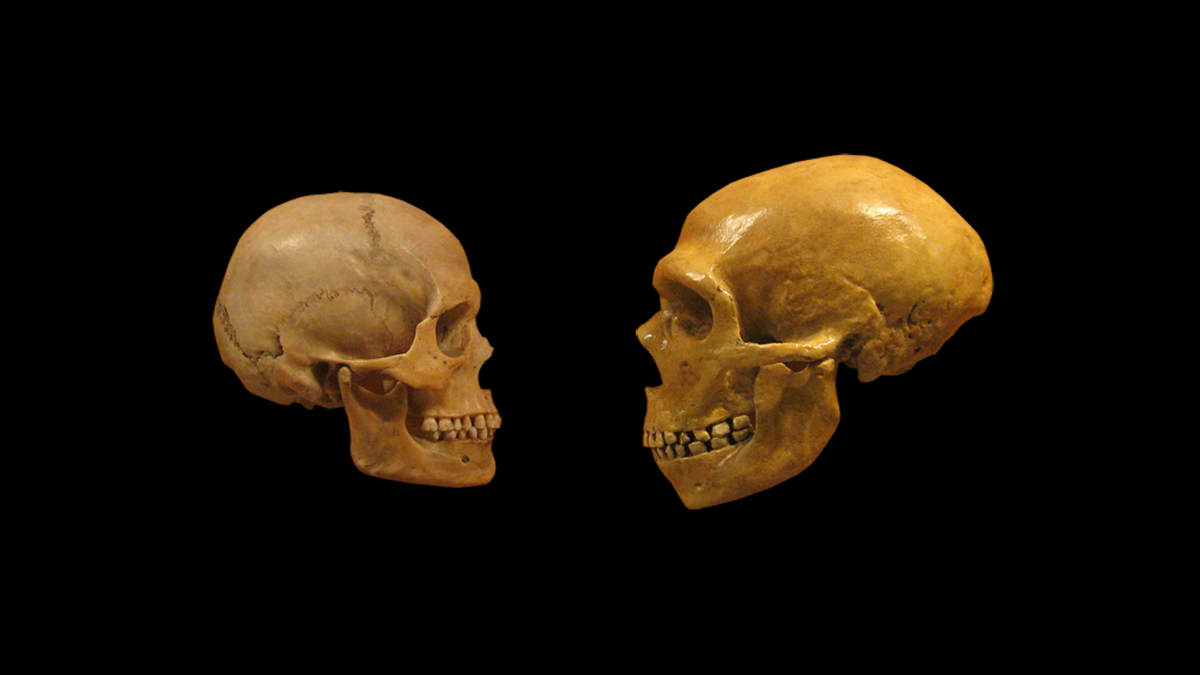
I keep coming back to the idea that a gene from a species we often think of as a dead end is still pulling levers inside our skulls. It's a genetic souvenir, like a scar or a vestigial tailbone, yet it's actively involved in brain wiring. That feels like a direct line from a cave in Siberia to a psychiatrist's office today. I'd love to know exactly which neural circuits are being tweaked, and whether the schizophrenia link is a side effect of something that once gave Neanderthals an advantage, like faster reaction times or a different way of processing social cues.
What makes this sticky for me is that it blurs the line between "us" and "them." We tend to think of Neanderthals as a separate, inferior branch, but here they are, inside our heads, possibly influencing our risk for a deeply human condition. I'm also curious about the trade-offs. If this gene increases schizophrenia risk, does it also boost creativity or resilience in some contexts? Evolution rarely gives us a clean deal. I'd want to see the data on how common this variant is across different modern populations, and whether the effect is consistent or varies wildly depending on the rest of your genome. For now, it's a humbling reminder that we are a mosaic of many pasts, and we're still figuring out what each piece does.