Notes from Illinois’ Virtual Power Plant Frontier
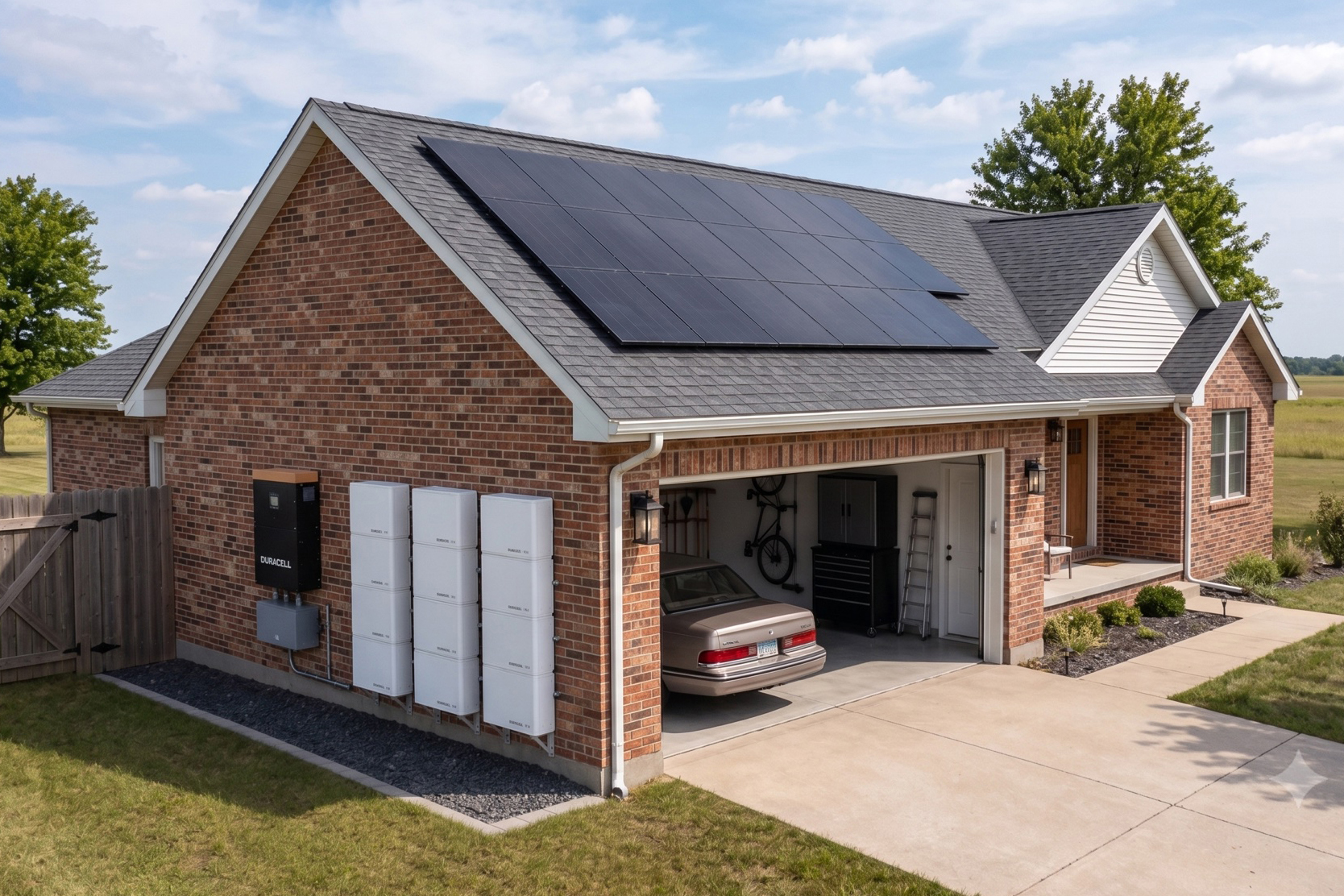
There is no silver bullet in the climate fight, but there is silver wiring. Virtual power plants are having a moment because they solve one of the energy transition's most vexing problems: how to make a grid built around small numbers of giant generators work when power suddenly comes from millions of small, intermittent ones. Illinois is now proving the frontier, joining states like Vermont and Texas to show what happens when batteries stop being a luxury accessory and start being a for-profit utility asset. Per the Inside Climate News report, a monthly fee can be the gateway to participation.
The $20 price point and matter. We've seen years of headlines about thermal battery breakthroughs and record solar installs reverberating with a heavy "so what" for households. VPP subscription models lower that barrier, though—now meaningful energy participation has a subscription at the price of a streaming service. In an era of intense grid heat waves and shivering and winter plants, this is not show; it's capacity.
There is also equity. Illinois is a state where energy will be politics and painpoints, and its history with coal, utilities, and environmental justice is long and documented. VPPs implement a cleaner, more democratic grid only if they reach whole communities. A $20-per-month battery is interesting, but a $20-per-month battery that only gets into wealthy suburbs is not a revolution; it's a toy. Illinois has a chance to make models that are an equity tool, not just a tech showcase.
And the promise of "immediate results" is the other thing. It is this model's signature—aggregating the batteries for grid response, effectively allowing neighborhoods to run around a balance of grid constraints without dimming anyone's lights, greatly reduces the need for carbon-heavy peaker plants. That the payoff time shrinks from "eventually" to "season one." Illinois is showing us that the grid is not the terminal of a battery, but its heart.