Scientists define a new category of heat wave: ‘Snow eaters’
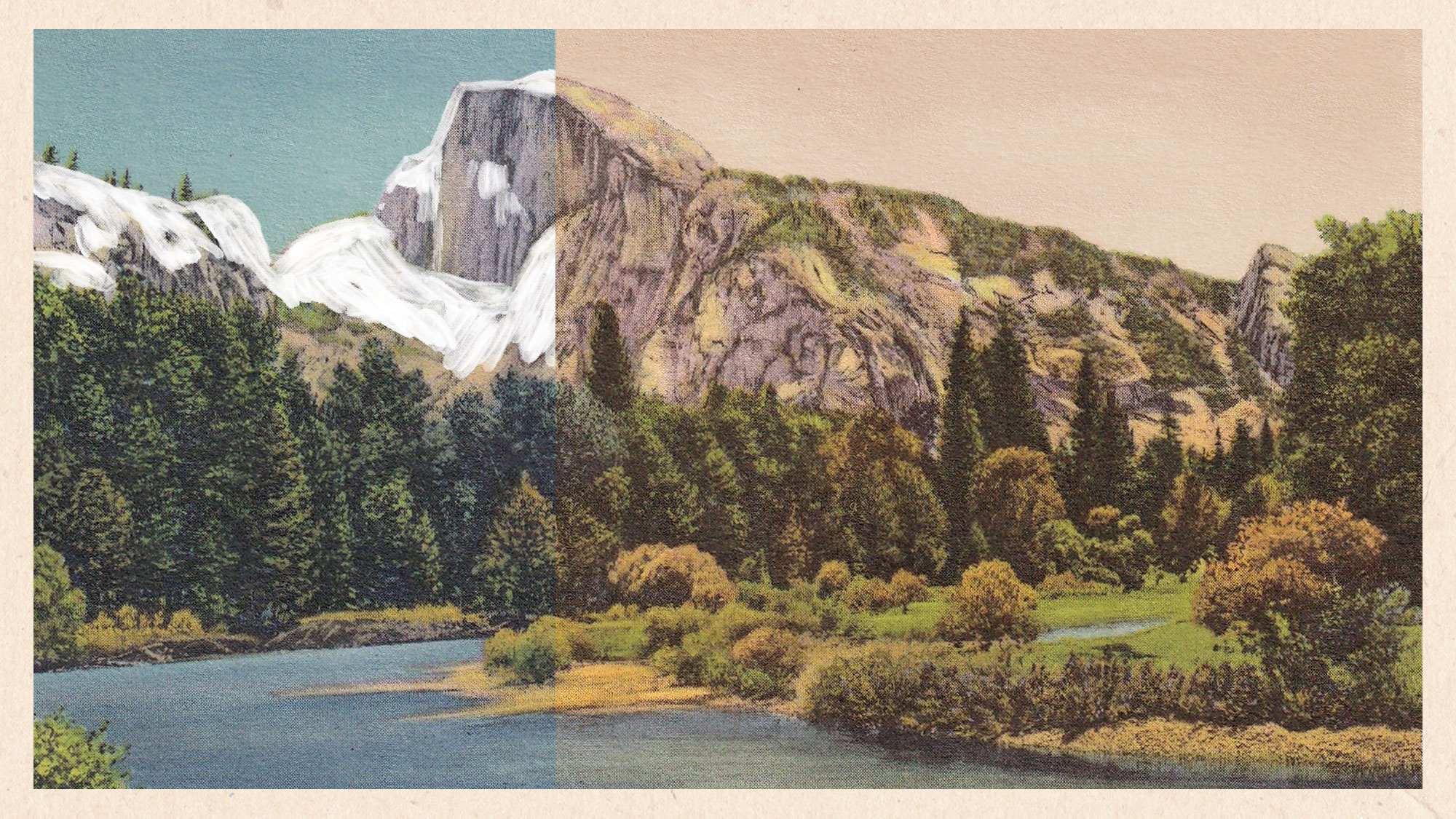
The term sounds almost lyrical, doesn’t it? "Snow eaters." It conjures images of mythical beasts, not the grim meteorological reality bearing down on our mountain ranges. Scientists have now codified a new category of heat wave, and its name is a euphemism for a slow-motion collapse of our water security.
This matters because it signals a fundamental shift in how we must read the landscape. This isn't just about record-breaking temperatures in July; it’s about rapid, unnatural melting in the spring and fall. When a "snow eater" strikes, it doesn't just melt the snowpack—it vaporizes it, sending water rushing downstream far too early, leaving parched earth and empty reservoirs in its wake. This is the connective tissue between a warming atmosphere and a fractured water cycle.
This new classification is a confession. We are no longer simply observing climate change; we are having to invent new vocabulary to describe the horrors it unleashes. This is the silent mapper of our future, drawing lines between pine beetle infestations, megafires, and rationed faucets.
We are running out of names for the damage we are doing. The only word left to say is "stop." Watch Tower will be tracking these snow eaters as they become a staple of our seasons, not a freak event.
--- {"key_insight":"The definition of 'snow eaters' marks a critical shift from observing temperature anomalies to naming the mechanisms that actively destroy our water infrastructure.