Discs vs. disks: What's the difference?
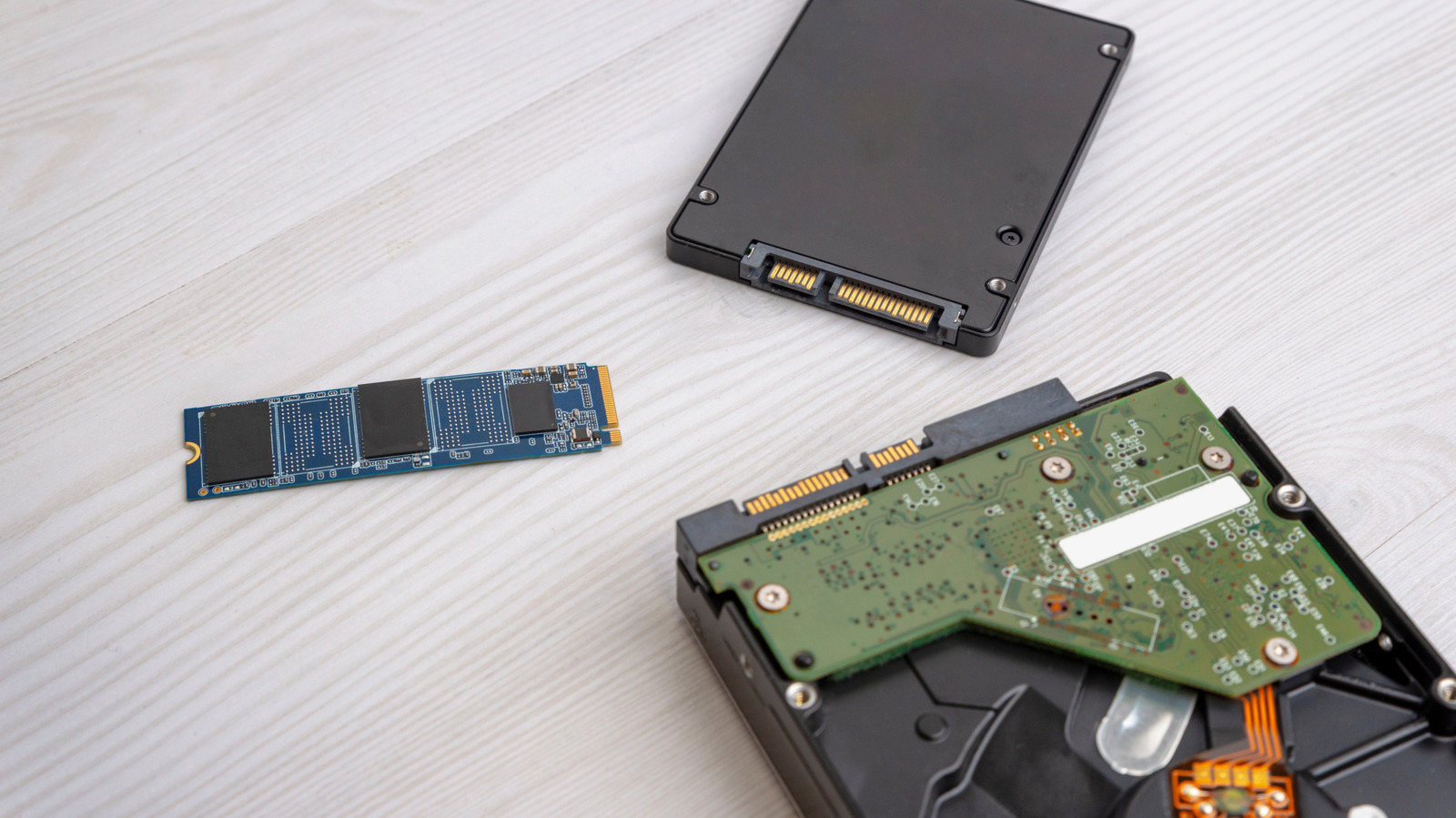
CDs, DVDs, and Blu-rays are discs. Hard drives and floppy disks are disks. The rule of thumb is simple: optical media get the "c" because a laser reads them, magnetic media get the "k" because a read/write head does the work. It's one of the few spelling conventions in tech that actually maps to physics.
The convention is mostly a product of the 1990s, when both formats sat on your desk and the spelling kept them straight. Apple pushed the "disk" spelling for a while, and the company still uses it in Disk Utility, which makes the whole thing feel less like a law and more like a habit that stuck. Nobody enforces it, yet it persists because the two words describe genuinely different engineering.
What interests me is how quietly the distinction is dying. SSDs are neither discs nor disks in any mechanical sense, and cloud storage has made the physical object irrelevant to most people. The spelling will survive in product names and error messages, but the technology it described is already history. I'd want to know whether the next generation of storage bothers to keep the distinction alive or just lets the words blur together.