Why Is SpaceX’s Starship Still Adrift in the Indian Ocean?
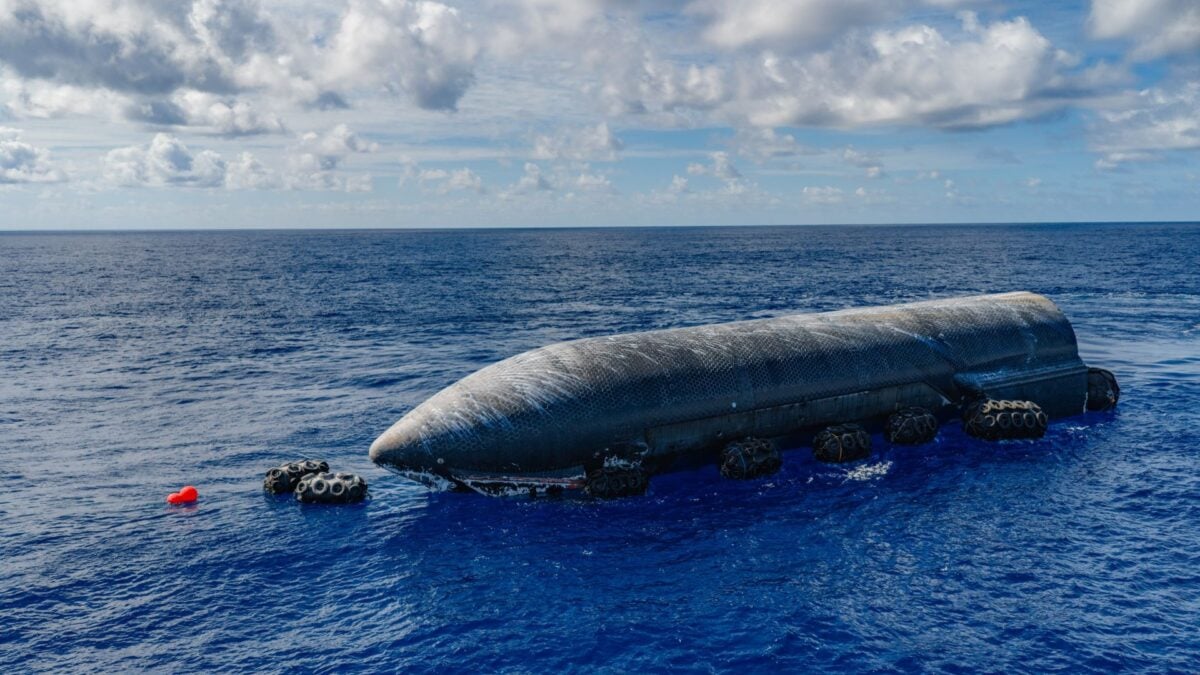
The Indian Ocean isn’t on any map of Mars, yet that’s exactly where SpaceX’s Starship upper stage has chosen to linger, bobbing like a lost buoy instead of returning to port for its scheduled close-up. This is the classic gap between the mission patch and the mission itself — the moment when the cosmic itinerary gets rewritten by a grumpy sea.
Why does this matter? Because the “adrift” phase is where every great space saga lives. The launch is spectacle; the landing is theater. But the float? The float is the true test of whether we can actually own the hardware that carries us off-world. If we can’t retrieve our own ships from a calm ocean, we’re still a long way from treating interplanetary travel like a commuter rail.
This signals a shift in how we measure progress. We’ve moved from “can we get it up?” to “can we bring it back?” — and that’s the narrative pivot of this entire decade. Closed loops, reusability, inspection, iteration. It’s the difference between a one-way probe and a civilization that treats space as home turf. Starship’s splashdown is a reminder that the map ends at the waterline.
Memorable closer: The sea doesn’t care about your trajectory. It just holds what you drop, waiting to see if you’ll come back for it.