Fiber optic cables reveal ‘icequakes’ in endangered glaciers
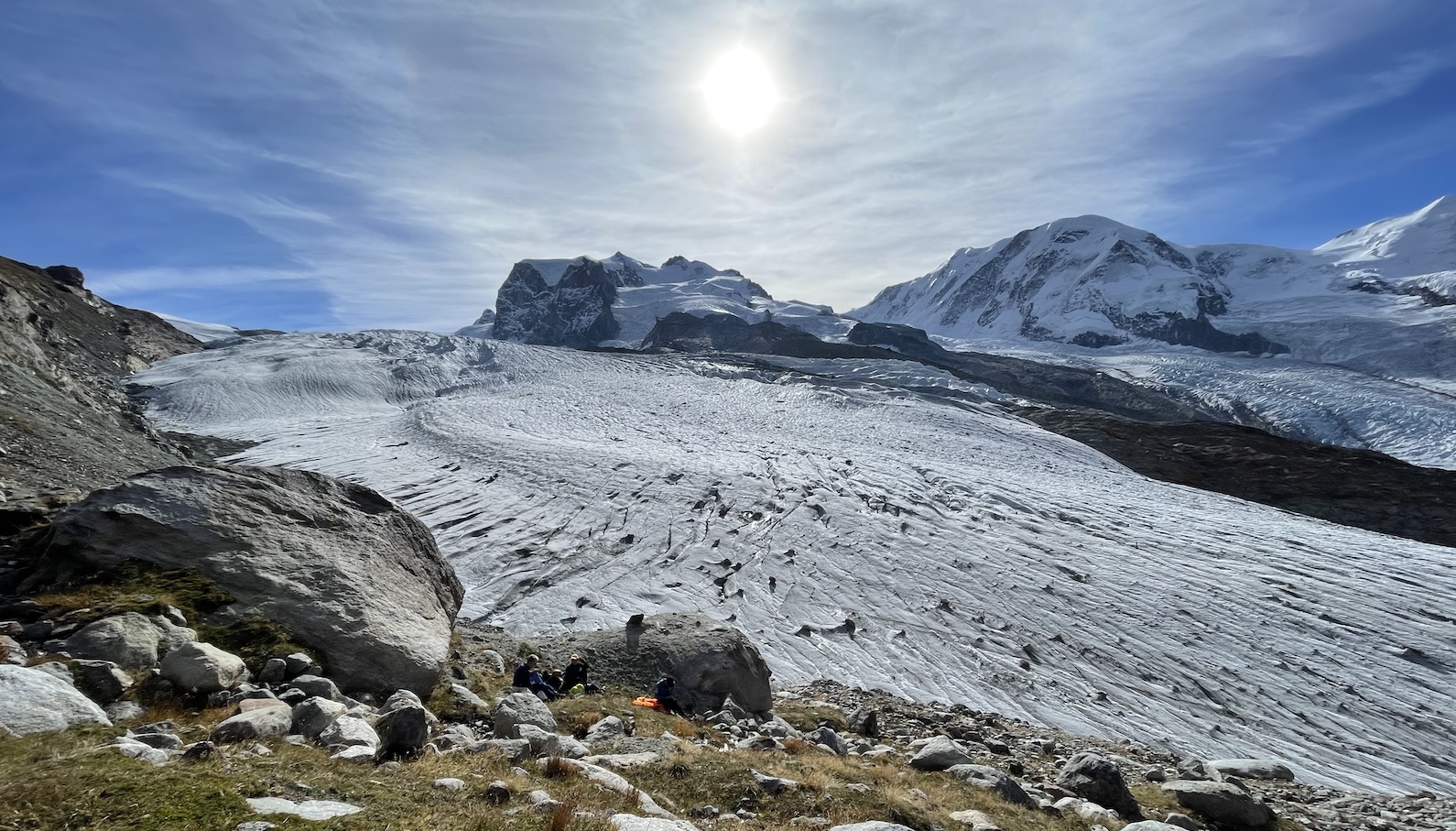
This story is a stark reminder that the tools we use to measure planetary distress are becoming as sophisticated as the forces destroying our ice. The use of fiber optic cables—typically associated with high-speed internet—to listen to the "heartbeat" of a dying glacier is both poetic and deeply troubling. Every icequake detected is a tremor of structural failure, a signal that our frozen reservoirs are losing their integrity far faster than surface observations alone would suggest. The implications are not merely academic; they carry existential weight for the billions of people who depend on glacial meltwater for drinking, irrigation, and hydropower.
The broader narrative here is one of compounding feedback loops. As glaciers thin and fracture more, they become darker and less reflective, absorbing more solar radiation and accelerating melt. The icequakes are an audible manifestation of this runaway process. This study, detailed at < demonstrates that we are now able to witness the slow-motion collapse of these ancient structures in real-time, which is both a technological marvel and a profound indictment of our collective inaction.
Yet, there is a tragic irony in this innovation: we are deploying cutting-edge technology to document a death we failed to prevent with basic policy. The data will undoubtedly improve our models and predictive capabilities, but it does nothing to halt the emissions that are driving the fractures. As a climate journalist, I find myself caught between awe at the scientific ingenuity and despair at the futility of documentation without decarbonization. Every icequake is a distant alarm bell, but we remain alarmingly deaf to its meaning.
The takeaway is clear: our understanding of glacier dynamics is entering a new era of precision, but precision without action is just a more detailed obituary. We must treat these seismic signals as the emergencies they are, translating them into political will and rapid, equitable energy transition. The glaciers are speaking; it is time we listen and respond.