On this day in space! Oct. 29, 1991: NASA's Galileo spacecraft flies by asteroid Gaspra and snaps amazing photos while flying at 18,000 mph
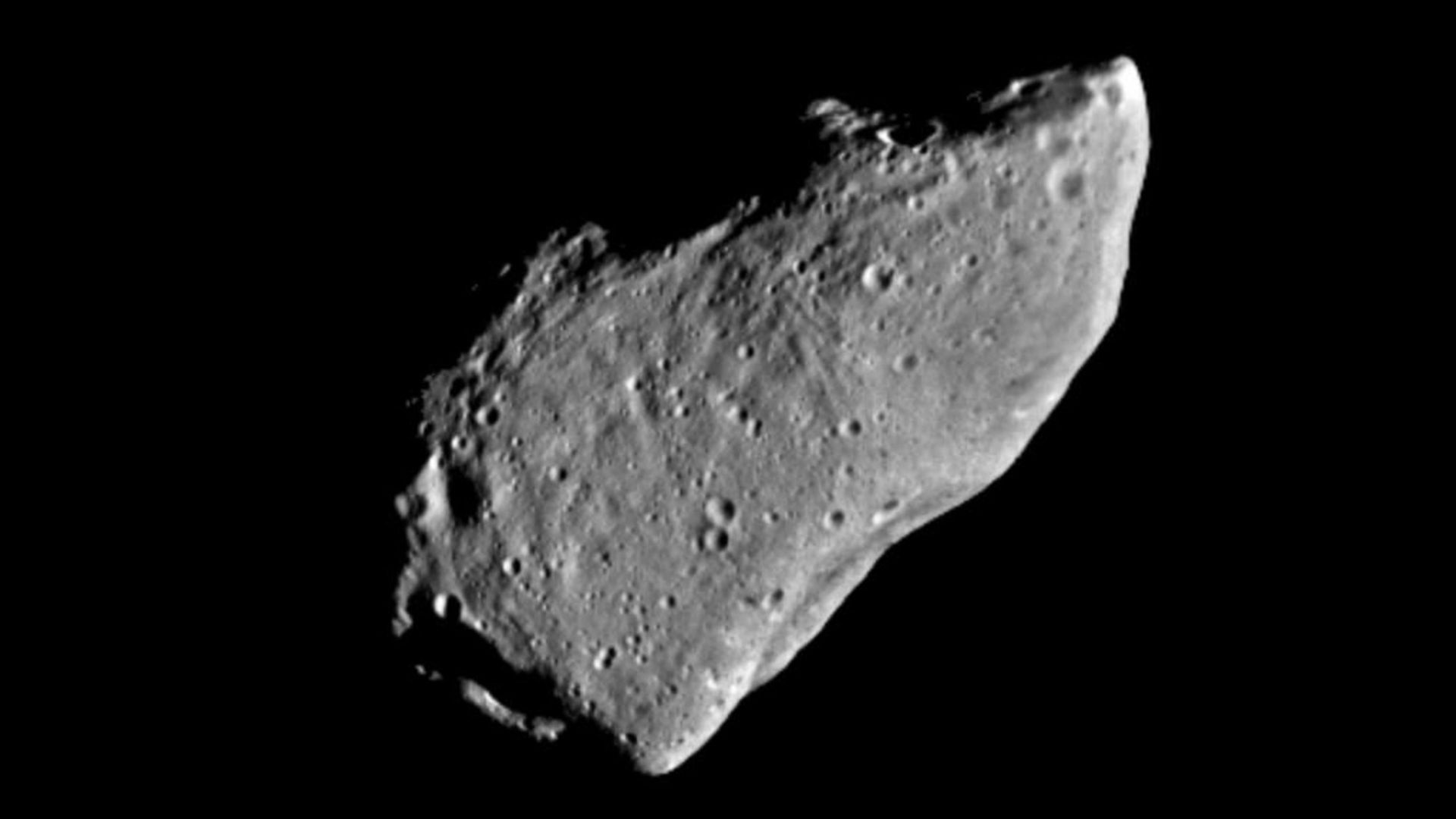
Galileo was never supposed to meet an asteroid. It was built for Jupiter, and the Gaspra flyby was a bonus, a last-minute tweak to its long, winding path. That makes the whole thing feel almost accidental, like a road trip where you take a random exit and stumble on a hidden canyon. The team had to aim at a rock barely eleven miles long from millions of miles away, and they nailed it while both were moving faster than a speeding bullet. That kind of precision still impresses me.
The images themselves are grainy by today's standards, but they showed Gaspra as a battered, grooved world, not a perfect sphere. That detail changed how I think about asteroids: they're not just rocks, they're survivors of collisions that have been around since the solar system formed. Every later mission, from Dawn to OSIRIS-REx, owes a debt to that first close look. I'd love to know what the engineers felt when those photos came back, knowing they'd started a whole new branch of exploration. It's easy to forget that this was once uncharted territory, and we just pointed a probe at a speck and hoped.