Concrete Floods Walls and an Elevated East River Park Now Protect a Swath of Lower Manhattan
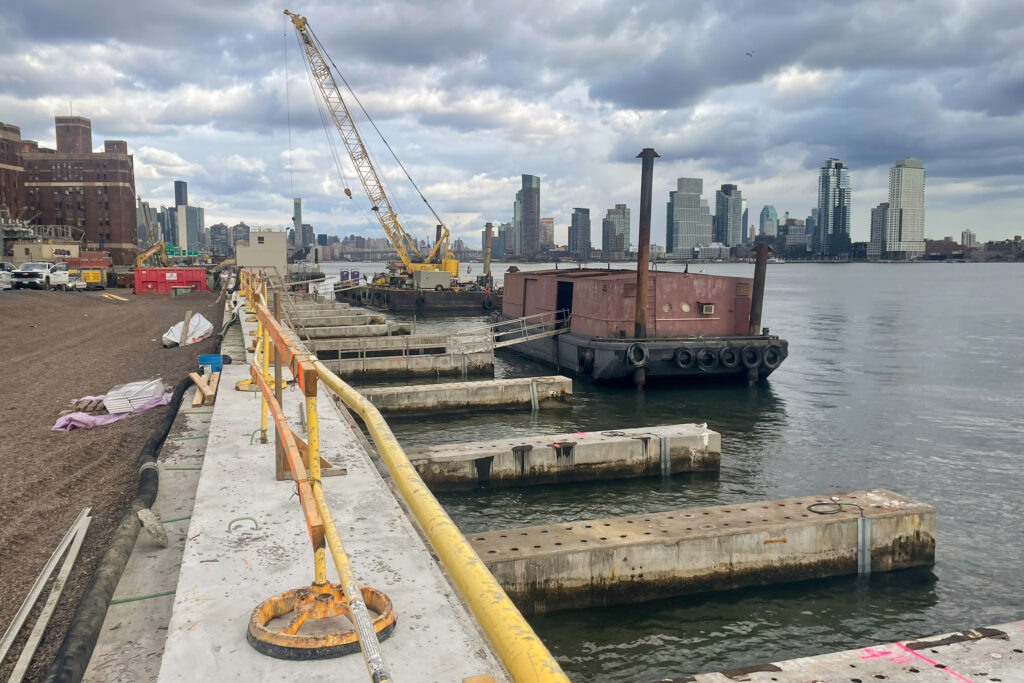
The 2-foot-thick concrete base under the new park is doing more work than the elevated lawns above it ever will. That's the part of this project I keep coming back to, because it captures something about how we defend against rising seas: the expensive, buried, unglamorous layers are what actually keep the water out.
I'm glad the city built this, and the elevated park is a genuinely thoughtful piece of design. But I'd want to know more about the maintenance burden. Flood walls and buried barriers need constant inspection, and coastal projects like this one have a way of looking great on opening day and then quietly degrading. The real test comes in the first big storm surge, and we won't know how well all those unseen systems hold up until they're actually needed.
This also connects to the bigger question of who gets protected first. Lower Manhattan has real estate value and political clout, so it gets the billion-dollar defenses. The same threat is bearing down on places like Red Hook and the Rockaways, and their protections are still partial or unfunded. Protecting one waterfront is a win, but it's a reminder that the city is choosing where to spend its resilience budget, and those choices have consequences.
I'll be watching how the maintenance and monitoring plans hold up, and whether the lessons from this project speed up protection for the neighborhoods that are still waiting.