Q&A: What is ‘long-duration energy storage’ – and why does the UK need it?
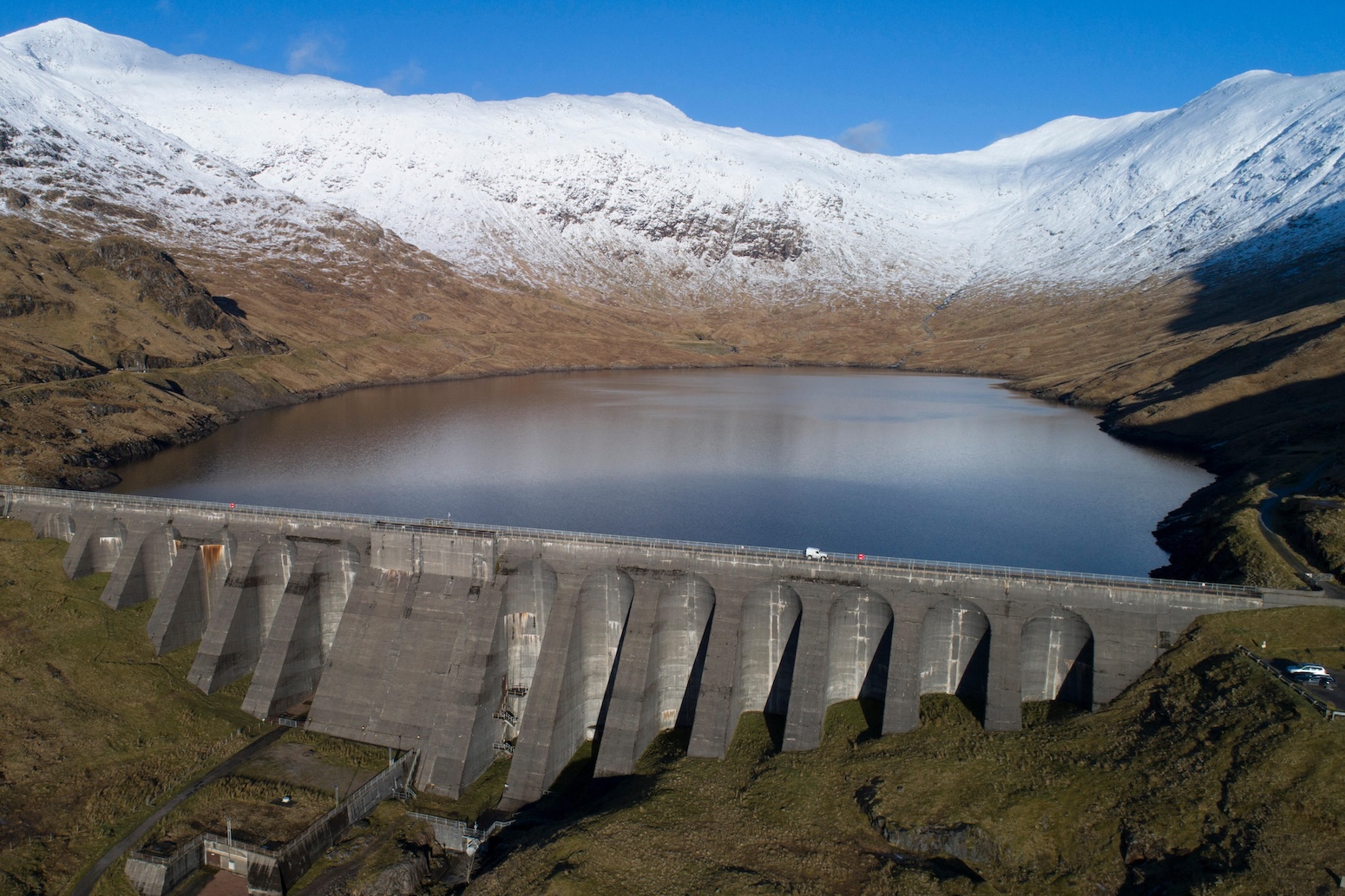
There's a beautiful absurdity at the heart of modern renewable energy: the wind blows whether we want it to or not, and the sun shines on its own schedule. We've built machines that capture these fickle gods, but we've forgotten to build the one thing that makes them truly useful—a way to hoard their gifts. Long-duration energy storage (LDES) is that hoard, and the UK is becoming a laboratory for technologies that feel like they belong in a sci-fi novel. Pumped hydro flings water up mountains; liquid air freezes itself into a silent battery; molten salt holds heat like a dragon's belly. Each one is a bet that we can outsmart time itself.
The deeper wonder here is that LDES isn't just about efficiency—it's about rewriting the physics of desire. Our old grid was built on the assumption that power must be generated instantly, on demand. Coal plants mimicked our every impatient flick of a switch. But solar and wind break that contract. They force us to think in seasons, not seconds. When the winter winds die and the nights grow long, a society powered by renewables needs a memory—a stored whisper of last June's sunshine to keep the lights on in December. That's not engineering; that's a kind of temporal magic.
Why is the UK leading this charge? Partly necessity—an island's worth of wind turbines fighting the North Sea's moods—and partly boldness. The article from Carbon Brief points out that the UK grid already generates a significant share of its power from wind, and the next leap depends on storage that can hold its breath for days, not just hours. Lithium-ion batteries, the current rockstars of the energy transition, are sprinters. LDES is the marathon runner, the stoic, the creature that can hibernate. The stakes are enormous: without it, we risk either wasting excess clean energy or falling back on fossil fuels when nature pauses.
There's a philosophical glint here, too. We're used to storing money, memories, and data. But storing energy means storing the weather. A sunny day in July becomes a warm blanket in a February blackout. A gusty October gale becomes a calming hum in your electric kettle the following spring. We're effectively building a planetary organ that breathes in light and breathes out reliability. As the UK pioneers these "super batteries," it's not just solving a grid problem—it's teaching the rest of us that the universe's most valuable currency isn't matter, but the timing of its flow. And that is weird, wild, and absolutely wonderful.
Source: Carbon Brief – Q&A: What is ‘long-duration energy storage’ – and why does the UK need it?